10 Best Instrument Direct Boxes Of 2026
Instrument Direct Boxes — Reviews, Recommendations & Updated Buying Guide November 2026


Premium Direct Injection Audio Box
Why We Love It


Behringer Signal Direct Box Di800 V2
Why We Love It
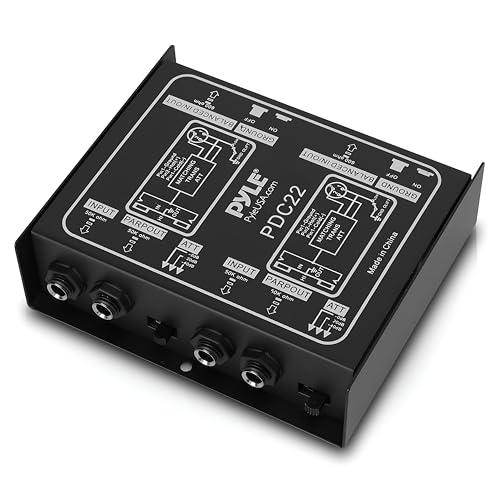
Premium Direct Injection Audio Box
Why We Love It
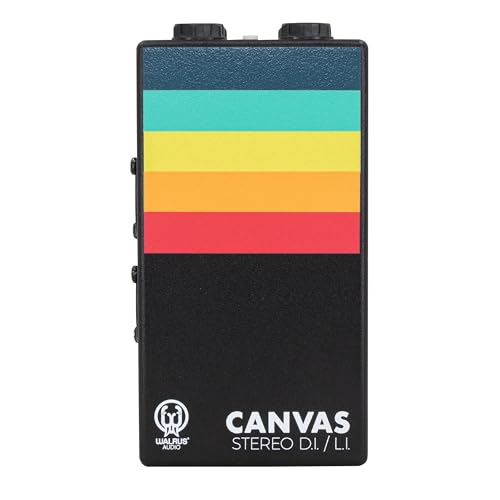
Walrus Audio Canvas Stereo Direct Box and Line Isolator
Why We Love It
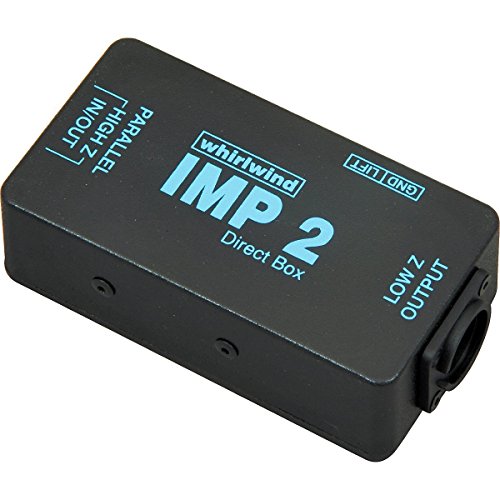
Whirlwind IMP 2 1-Channel Passive Instrument Direct Box
Why We Love It

Donner Special-Ⅰ Professional High-Performance Passive
Why We Love It

Hosa DIB-443 Sidekick Passive DI Box
Why We Love It

Behringer Ultra-DI DI600P Professional High-Performance
Why We Love It

Samson Technologies S-Max MDA1 - Mono Active Direct Box
Why We Love It

Behringer Gi100 Professional Battery/Phantom Powered Di-Box
Why We Love It
Quick Pick
10 Best Instrument Direct Boxes Of 2026
Quick Pick
Premium Direct Injection Audio Box - Passive DI Unit Hum Eliminator w/Input Attenuator to Connect Guitar & Bass, 1/4'' Impedance Transformer Connector to Balanced & Unbalanced XLR, Black - Pyle PDC21
Behringer Signal Direct Box Di800 V2
Premium Direct Injection Audio Box - Passive DI Unit Hum Eliminator w/Input Attenuator to Connect Guitar & Bass - 1/4 Inch Impedance Transformer Connector to Balanced & Unbalanced XLR
Walrus Audio Canvas Stereo Direct Box and Line Isolator, Multi (900-1065)
Whirlwind IMP 2 1-Channel Passive Instrument Direct Box
Donner Special-Ⅰ Professional High-Performance Passive DI-Box Unit Hum Eliminator 1/4" instrument Direct Box to balanced & unbalanced XLR
Hosa DIB-443 Sidekick Passive DI Box, 1/4 Inch TS to XLR3M
Behringer Ultra-DI DI600P Professional High-Performance Passive DI-Box,Black
Samson Technologies S-Max MDA1 - Mono Active Direct Box, SAMDA1
Behringer Gi100 Professional Battery/Phantom Powered Di-Box With Guitar Speaker Emulation
Buying Guide: Instrument Direct Boxes
📋 Table of Contents
1What is the difference between active and passive direct boxes?
Passive DI boxes use transformers to isolate and convert signal, ideal for high-impedance sources like electric guitars. Active DI boxes include preamps and require power, offering cleaner, more flexible signal shaping for dynamic or low-output instruments like acoustic guitars or microphones.
2How important is the frequency response range for my needs?
Look for a DI box with a frequency response of at least 20Hz–150kHz to preserve the full tonal range of your instrument. A wider range ensures accurate reproduction of low-end bass and high-end clarity, especially for acoustic or high-fidelity setups.
3Should I prioritize balanced XLR or 1/4" outputs?
Balanced XLR outputs are essential for connecting to mixing consoles or PA systems, reducing noise over long cable runs. A 1/4" through output is handy for plugging into an amplifier simultaneously, making it useful for live performance or recording setups.
4What are the benefits of a ground lift switch?
A ground lift switch helps eliminate hum or buzz caused by ground loops when connecting to other gear. It’s especially useful in live or studio environments where multiple devices are linked, and interference is common due to differing grounding paths.
5Are phantom power inputs necessary for my instrument?
Phantom power is only needed if you're using a condenser microphone or active DI with a built-in preamp. Most passive DI boxes don’t require it, but if you plan to use a mic or active pickup system, ensure the DI box can pass or provide 48V phantom power safely.
How we choose
Our editors are people who genuinely love testing and writing about products. We compare each product's real-world usability and strengths, then distill what matters most into our own "Why We Love It" points — so you get an honest, at-a-glance sense of what counts before you buy.