10 Best Inground Composters Of 2026
Inground Composters — Reviews, Recommendations & Updated Buying Guide November 2026


YelaJoy 3pcs Inground Farm Composter
Why We Love It


In Ground Worm Composter
Why We Love It

UNIFAMILY 2pack Inground Worm Composting Bin
Why We Love It
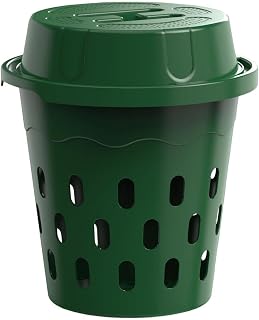
In‑Ground Composter With Ventilation Holes
Why We Love It

In Ground Worm Composter
Why We Love It
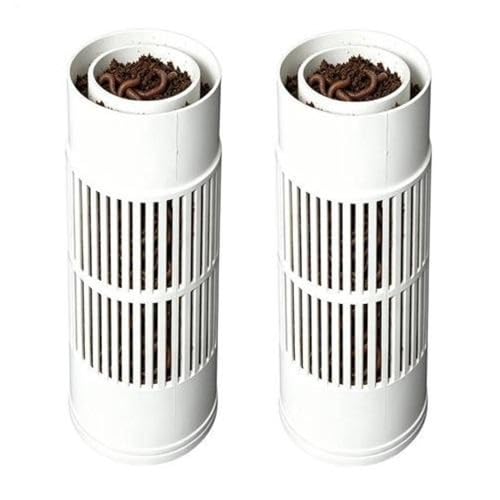
In Ground Compost Bin Underground Outdoor Composter Farm Bin
Why We Love It

In Ground Compost Bin Outdoor Composter Bin Farm Underground
Why We Love It

TOPINCN Composters Outdoor Inground Composter PP
Why We Love It

Worm Composter For Raised Beds
Why We Love It

Small In Ground Composter Farm Composter Container
Why We Love It
Quick Pick
10 Best Inground Composters Of 2026
Quick Pick
YelaJoy 3pcs Inground Farm Composter, Outdoor In-Ground Compost Bin for Raised Garden Beds and Yards, Organic Waste Decomposer 2 Gallons, 26 * 11 * 9.3cm, Composter Tumbler Outdoor
In Ground Worm Composter,Garden Compost Bin - Small Vermicomposting Container for Experienced Composters Gardening Enthusiasts Yard Lawn Fish Pond
UNIFAMILY 2pack Inground Worm Composting Bin, Stainless Steel Outdoor Compost Bin with Handle, Worm Composter, Worms Bins for Composting Recycling Kitchen Food Waste (Compost Bin with Handle)
In‑Ground Composter With Ventilation Holes – Garden Compost Bin For Backyard, Raised Beds & Vegetable Plots, Easy Digester For Beginners & Professional Gardeners
In Ground Worm Composter, Garden Compost Bin, Outdoor Fish Pond Composter for Lawn Farm Yard Gardeners Composting Beginners Garden
In Ground Compost Bin Underground Outdoor Composter Farm Bin
In Ground Compost Bin Outdoor Composter Bin Farm Underground
TOPINCN Composters Outdoor Inground Composter PP Vermicomposting Bin
Worm Composter For Raised Beds, 12.5L, Worm Farm In Ground That Turns Your Waste To Compost, In Ground Farm Composter, For Gardeners Growers Homesteaders Beginners Backyard
Small In Ground Composter Farm Composter Container
Buying Guide: Inground Composters
📋 Table of Contents
1What size in-ground composter do I need for my household?
For a family of 3-4, a 300-500L composter is ideal, allowing 2-3 weeks of accumulation before turning. Smaller households can use 150-300L units, while larger ones may need 500-700L to avoid frequent overflows or delays in composting.
2Should I choose a single-chamber or multi-chamber system?
Single-chamber models are simpler and cheaper but require waiting for full decomposition before use. Multi-chamber systems let you add new waste while harvesting finished compost from another chamber, making them better for year-round use and faster results.
3What materials are best for the composter’s construction?
Plastic is lightweight and affordable but may degrade over time. Fiberglass and metal are more durable and weather-resistant, while wood offers a natural look but needs more maintenance. Look for UV-resistant or rot-proof materials for long-term use.
4How deep should the composter be for optimal performance?
A depth of 60-90cm (2-3ft) is ideal for efficient decomposition and rodent deterrence. Shallow units may dry out too quickly or attract pests, while deeper models retain heat and moisture better, speeding up the composting process.
5Are aeration and drainage features important, and what should I look for?
Yes — built-in aeration holes or a rotating drum improve airflow, preventing odors and speeding up breakdown. A drainage spout at the base lets you collect nutrient-rich leachate or avoid waterlogging, especially in wet climates.
How we choose
Our editors are people who genuinely love testing and writing about products. We compare each product's real-world usability and strengths, then distill what matters most into our own "Why We Love It" points — so you get an honest, at-a-glance sense of what counts before you buy.