10 Best Infrared Filters Of 2026
Infrared Filters — Reviews, Recommendations & Updated Buying Guide November 2026


Fotga 52mm Optical Circular Adjustable Infrared Filter IR
Why We Love It


Fotga 58mm Six-in-One Adjustable Variable Infrared IR Pass
Why We Love It

Urth 37mm Infrared Filter R72 (Plus)
Why We Love It
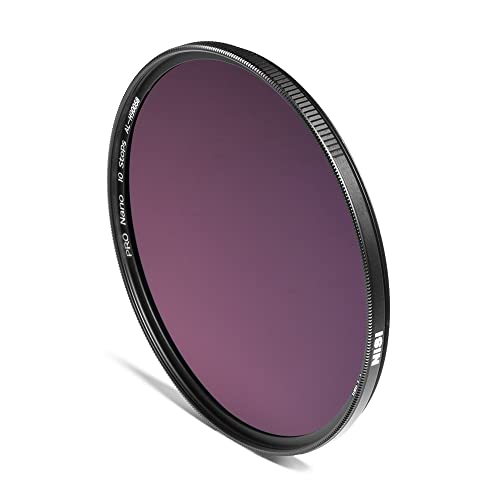
NiSi 82mm HUC IR ND1000
Why We Love It

Fittings4you IR850 Infrared Filter 82mm dHD Digital Pass
Why We Love It

1pc 10×0.55mm 650-940nm IR Cut Filter
Why We Love It

GREEN.L 43mm Infrared Filter
Why We Love It

1pc 8×0.55mm 650-940nm IR Cut Filter
Why We Love It

Domary 82mm Adjustable Infrared Filter IR Pass X Lens Filter
Why We Love It

Quanmin 2pcs 12.5mm×1.0mm 850nm IR Infrared Narrow Bandpass
Why We Love It
Quick Pick
10 Best Infrared Filters Of 2026
Quick Pick
Fotga 52mm Optical Circular Adjustable Infrared Filter IR Pass Filter X-Ray Filter Variable from 530nm to 750nm Six-in-One Lens Filter for Infrared Photography
Fotga 58mm Six-in-One Adjustable Variable Infrared IR Pass X-Ray Lens Filter 530nm to 650nm 680nm 720nm 750nm Infrared Filter for DSLR Camera
Urth 37mm Infrared Filter R72 (Plus)
NiSi 82mm HUC IR ND1000 - Circular 10-Stop (3.0) Neutral Density Filter
Fittings4you IR850 Infrared Filter 82mm dHD Digital Pass Filter Optical Glass Matte Black Anodized Aluminum Frame
1pc 10×0.55mm 650-940nm IR Cut Filter,Dual DayNight Optical Infrared Filter | Dual Bandpass ir Filter Passes 420-620nm Visible&940nm IR Light, Blocks 1050-1200nm NIR, Delivers True Color&Clear B&W Images
GREEN.L 43mm Infrared Filter, 43mm IR 720nm (R72) Filter for Camera Lens
1pc 8×0.55mm 650-940nm IR Cut Filter,Dual Day Night Optical Infrared Filter
Domary 82mm Adjustable Infrared Filter IR Pass X Lens Filter Variable Wavelength 530nm to 750nm Aluminum Alloy Frame Compatible with DSLR Cameras Infrar (Pack of 1)
Quanmin 2pcs 12.5mm×1.0mm 850nm IR Infrared Narrow Bandpass Filter Optical Glass for Camera Lense and Face Recognition
Buying Guide: Infrared Filters
📋 Table of Contents
1Will an infrared filter work with my camera lens?
Check your lens's filter thread size (usually marked as 52mm, 67mm, etc. on the lens barrel), then match it to the filter diameter. Most modern DSLRs and mirrorless cameras accept standard threaded filters, but some compact cameras or smartphones may need adapter rings or special holders.
2What's the difference between a heat filter and an infrared filter?
Infrared filters block visible light to capture only infrared radiation for artistic or thermal purposes, while heat filters (or IR-cut filters) actually remove infrared to improve color accuracy in regular photography. Choose infrared filters if you want IR photography effects, and heat filters if you're shooting normal color photos and want better color balance.
3Do I need a stronger filter if I'm shooting in bright daylight?
Yes—stronger infrared filters (typically rated by their optical density) block more visible light, making them necessary for bright conditions where weaker filters would let in too much ambient light and wash out your image. For low-light or indoor IR work, a lighter filter may be sufficient and will require shorter exposure times.
4What's the main difference between glass and resin infrared filters?
Glass filters offer better optical clarity and durability but cost more, while resin filters are cheaper and lightweight but can scratch more easily and may cause slight color shifts. Glass is worth the investment if you're doing serious IR photography, but resin works fine for casual or experimental use.
5How do I know which filter wavelength to buy for infrared photography?
Most infrared filters designed for photography block visible light and pass wavelengths around 650-1100nm; 720nm filters give stronger, more dramatic black-and-white IR effects, while 950nm filters produce subtler results. Start with a 720nm filter if you want classic IR photography looks, or 950nm if you prefer more natural-looking near-infrared capture.
How we choose
Our editors are people who genuinely love testing and writing about products. We compare each product's real-world usability and strengths, then distill what matters most into our own "Why We Love It" points — so you get an honest, at-a-glance sense of what counts before you buy.