10 Best Home Stereo Receivers Of 2026
Home Stereo Receivers — Reviews, Recommendations & Updated Buying Guide November 2026


Donner Stereo Receivers Home Audio Amplifier
Why We Love It

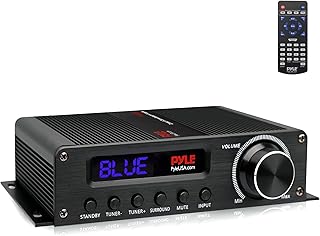
Pyle Stereo Amplifier
Why We Love It
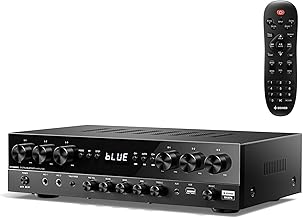
Donner Stereo Receivers
Why We Love It

Bluetooth 5.0 Audio Power Amplifier
Why We Love It

Fosi Audio BT10A Bluetooth 5.0 Amplifier Stereo Power
Why We Love It

Donner Stereo Receivers
Why We Love It

Pyle 4-Channel Audio Amplifier with Bluetooth
Why We Love It

Marantz Stereo 70s 2-Channel A/V Receiver with 8K
Why We Love It

Pyle Bluetooth Home Audio Amplifier
Why We Love It

Moukey Bluetooth Amplifier Hifi
Why We Love It
Quick Pick
10 Best Home Stereo Receivers Of 2026
Quick Pick
Donner Stereo Receivers Home Audio Amplifier, Premium 1000W Max Power 4 Channel Amplifier with Bluetooth 5.3, USB, FM, 2 Mic-in, Echo, RCA, Fiber/Coaxial Input for Home, Karaoke, Theater Speakers
Pyle Stereo Amplifier - 100W Bluetooth Home Audio Receiver with 5.1 Channel, Perfect for Home Theater, Studio, Office, w/HDMI ARC, AUX, FM Antenna, Subwoofer Speaker Input, 12V Adapter
Donner Stereo Receivers, Premium 1000W Peak Power 6 Channel Audio Amplifier with Bluetooth 5.3, USB, FM, 2 Mic-in, Echo, RCA, Fiber/Coaxial Input for Home, Karaoke, Theater Speakers, MAMP6
Bluetooth 5.0 Audio Power Amplifier, Donner Peak power 440 W Hi-Fi Wireless Power Amp 4 channel Desktop Amp with USB, SD,FM, 2 Mic IN Echo, RCA, LED, Speaker Selector for Studio, Home Speakers-MAMP5
Fosi Audio BT10A Bluetooth 5.0 Amplifier Stereo Power Amplifier, 2 Channel Class D Mini Hi-Fi Integrated TPA3116 Audio Amp, for Home Speakers 50W x 2, with 19V 4.74A UK Power Supply
Donner Stereo Receivers, 5.1 Channel Audio Amplifier with Bluetooth 5.3, Optical/Coaxial, USB, FM, 2 Mic-in, Echo, RCA, AC-3 Input for Home, Karaoke, Theater Speakers, 60W/4R & 25W×3 RMS, MAMP4
Pyle 4-Channel Audio Amplifier with Bluetooth - Home Stereo Receiver w/ 500W Max Power - Commercial or Karaoke - Dual Mic Input with Echo, Vol, Talk-Over - AUX In - Sub Out - USB-A MP3 Player, AM/FM
Marantz Stereo 70s 2-Channel A/V Receiver with 8K, Streaming HEOS Built-in, Phono and FM/Dab+ Radio - Silver
Pyle Bluetooth Home Audio Amplifier - 6 Channel Stereo Receiver Amp, 600 Watt Power, Commercial or Karaoke with Mic Talkover, Headphone Jack, 1/4'' Microphone In, USB SD AUX RCA FM Radio
Moukey Bluetooth Amplifier Hifi, 2.0 Channel Stereo Receivers, 220W, MAMP1 | with USB, SD, AUX, RCA, MIC in, with Echo, Radio, LED, for Home Theater Speakers, Studio
Buying Guide: Home Stereo Receivers
📋 Table of Contents
1How many channels do I need for my setup?
A 5.1 or 7.1 channel receiver supports surround sound for movies and music, while a 2.1 or 3.1 setup is ideal for smaller spaces or casual listening. Match the channel count to your speaker layout and room size for the best experience.
2What power output (watts) is enough for my speakers?
Look for at least 50-75W per channel for most home setups, and 100W+ per channel if you use high-efficiency or large speakers. More power ensures cleaner sound at higher volumes and better dynamic range without distortion.
3Should I prioritize HDMI inputs or optical ports?
HDMI supports higher-quality audio formats like Dolby Atmos and 4K video passthrough, making it ideal for modern TVs and game consoles. Optical ports are still useful for older devices but lack the bandwidth for advanced audio codecs.
4What is the difference between Dolby Digital and DTS?
Dolby Digital is more common and widely supported, especially in movies and streaming. DTS often provides slightly higher audio resolution and is preferred by audiophiles, but both deliver excellent surround sound when used with compatible content and speakers.
5Are built-in streaming features worth it?
Wi-Fi and Bluetooth allow wireless music streaming from phones or smart devices, while apps like Spotify Connect or AirPlay 2 add convenience. If you already have a smart speaker or streaming system, a basic model may suffice to avoid redundancy.
How we choose
Our editors are people who genuinely love testing and writing about products. We compare each product's real-world usability and strengths, then distill what matters most into our own "Why We Love It" points — so you get an honest, at-a-glance sense of what counts before you buy.