10 Best Home Stereo Amplifiers Of 2026
Home Stereo Amplifiers — Reviews, Recommendations & Updated Buying Guide November 2026


Donner Stereo Receivers Home Audio Amplifier
Why We Love It


Fosi Audio TB10A 2 Channel Stereo Audio Amplifier Receiver
Why We Love It

Fosi Audio BT10A Bluetooth 5.0 Amplifier Stereo Power
Why We Love It

Fosi Audio BT20A Bluetooth Amplifier for Speakers
Why We Love It
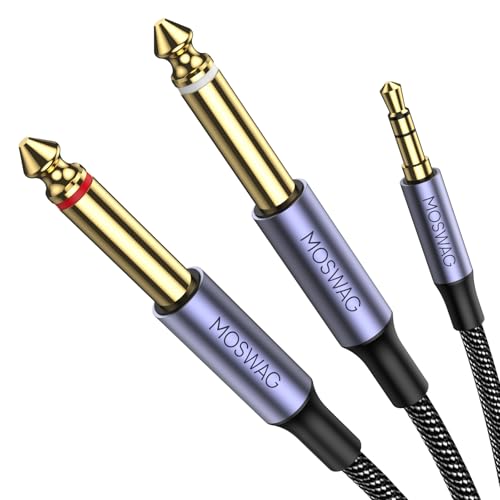
MOSWAG 3.5mm 1/8" TRS Male to 2X 6.35mm 1/4" TS Male Mono
Why We Love It

AK45 Pro Amplifier
Why We Love It

AK55 Stereo Audio Amplifier
Why We Love It

Fosi Audio ZA3 Balanced Stereo/Mono Amplifier HiFi with
Why We Love It

AK50 Stereo Audio Amplifier
Why We Love It

AK45 Stereo Audio Amplifier
Why We Love It
Quick Pick
10 Best Home Stereo Amplifiers Of 2026
Quick Pick
Donner Stereo Receivers Home Audio Amplifier, Premium 1000W Max Power 4 Channel Amplifier with Bluetooth 5.3, USB, FM, 2 Mic-in, Echo, RCA, Fiber/Coaxial Input for Home, Karaoke, Theater Speakers
Fosi Audio TB10A 2 Channel Stereo Audio Amplifier Receiver, Mini Hi-Fi Class D Integrated TPA3116 Amp for Speakers 100W x 2, with Bass and Treble Control (with 24V UK Power Supply)
Fosi Audio BT10A Bluetooth 5.0 Amplifier Stereo Power Amplifier, 2 Channel Class D Mini Hi-Fi Integrated TPA3116 Audio Amp, for Home Speakers 50W x 2, with 19V 4.74A UK Power Supply
Fosi Audio BT20A Bluetooth Amplifier for Speakers, Mini Stereo 2 Channel Amp Class D, with TPA3116 Chips 100W x 2 and Bass Treble Controls, for Home Audio Outdoor Passive Desktop Bookshelf Speakers
MOSWAG 3.5mm 1/8" TRS Male to 2X 6.35mm 1/4" TS Male Mono Stereo Y-Cable Splitter 16.4FT/5M Compatible for Home Stereo Systems, Laptop, Amplifier, Mixer Audio Recorder, MP3 etc
AK45 Pro Amplifier, Home Audio Stereo Receivers with Bluetooth 5.0, Max 400W,2.0 Channel Stereo Amplifier System for Home Theater Speakers, Karaoke,Garage,Home Amp with USB,SD,RCA
AK55 Stereo Audio Amplifier, 300W Max Power Home Theater Amplifier Receivers with BT/MIC/USB/AUX/FM/, Stereo Audio Amplifier Receivers for Studio,Home,Karaoke
Fosi Audio ZA3 Balanced Stereo/Mono Amplifier HiFi with TPA3255 Chips, Mini Audio Amp Monoblock with XLR RCA Inputs and 12V Trigger-in for Desktop Bookshelf Passive Speakers with 48V5A Power Supply
AK50 Stereo Audio Amplifier, 400W Home 2 Channel Wireless Bluetooth 5.0 Power Amplifier System, Home Amplifiers FM Radio, USB,Mic, with Remote Control Home Theater Audio Stereo System (AK50)
AK45 Stereo Audio Amplifier, 300W 2 Channel Wireless Bluetooth 5.0 Power Amplifier System, Home Amplifiers Radio, USB, SD Card, with Remote Control Home Theater Audio Stereo System
Buying Guide: Home Stereo Amplifiers
📋 Table of Contents
1What power output (watts) do I need for my speakers?
Look for at least 20-50W per channel for small to medium rooms and casual listening. For larger spaces or high-volume use, 75-100W per channel ensures clean, distortion-free sound without overworking the amp.
2Should I choose a stereo amp or a multi-channel receiver?
A stereo amp is ideal for two speakers and pure audio lovers, while a multi-channel receiver supports surround sound and video sources. If you plan to expand your system, a receiver offers more flexibility long-term.
3What’s the difference between Class A, Class AB, and Class D amplifiers?
Class A offers warm, high-fidelity sound but is inefficient and heats up. Class AB balances efficiency and sound quality, making it common in home amps. Class D is energy-efficient and compact, ideal for modern, space-conscious setups with minimal heat output.
4Do I need an amplifier with a built-in preamp or DAC?
If your source devices (like a phone or laptop) don’t connect directly to the amp, a built-in preamp or DAC is essential. It ensures clean signal conversion and volume control without needing extra components like a separate preamp or headphone amp.
5What speaker impedance should my amp support?
Most home amps work with 4-8 ohm speakers. Check your speaker specs and ensure the amp can handle the same range. Mismatched impedance can damage the amp or cause poor sound quality, especially at high volumes.
How we choose
Our editors are people who genuinely love testing and writing about products. We compare each product's real-world usability and strengths, then distill what matters most into our own "Why We Love It" points — so you get an honest, at-a-glance sense of what counts before you buy.