10 Best Hiking Shoes Women Of 2026
Hiking Shoes Women — Reviews, Recommendations & Updated Buying Guide November 2026


Columbia Womens STRATA TRAIL™ LOW WP LACED SHOES
Why We Love It


Columbia Women's Newton Ridge Plus Waterproof Amped
Why We Love It

Columbia Women's Crestwood Hiking Boot
Why We Love It
Columbia Newton Ridge Plus Ii Waterproof mens Hiking Boot
Why We Love It

Adidas Womens Terrex Anylander Hiking Shoes
Why We Love It

Columbia womens Transverse Hike WaterproofHiking Shoe
Why We Love It

SALOMON Xa Pro V8 Waterproof unisex-child Hiking shoe
Why We Love It
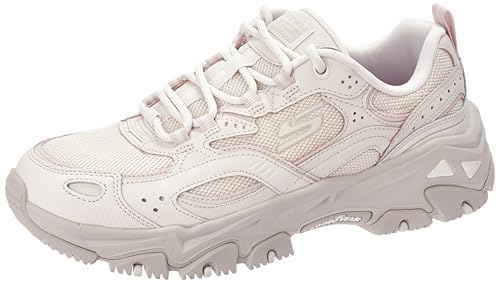
Skechers Women's D'LITES HIKER
Why We Love It
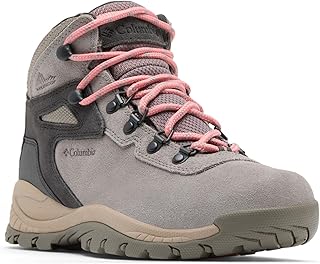
Columbia Women's Newton Ridge Plus
Why We Love It

Columbia CRESTWOOD™ WATERPROOF SHOES for WOMENS BEIGE 38.5
Why We Love It
Quick Pick
10 Best Hiking Shoes Women Of 2026
Quick Pick
Columbia Womens STRATA TRAIL™ LOW WP LACED SHOES, Black, Juicy, 38.5
Columbia Women's Newton Ridge Plus Waterproof Amped, 2024 Stratus/Canyon Rose, 8
Columbia Women's Crestwood Hiking Boot
Columbia Newton Ridge Plus Ii Waterproof mens Hiking Boot
adidas Womens Terrex Anylander Hiking Shoes, Core Black/Core Black/Grey Four, 40 2/3
Columbia womens Transverse Hike WaterproofHiking Shoe
SALOMON Xa Pro V8 Waterproof unisex-child Hiking shoe
Skechers Women's D'LITES HIKER,PINK MULTI Shoes, 38 EU
Columbia Women's Newton Ridge Plus
Columbia CRESTWOOD™ WATERPROOF SHOES for WOMENS BEIGE 38.5
Buying Guide: Hiking Shoes Women
📋 Table of Contents
1What weight range should I look for in women’s hiking shoes?
Opt for shoes between 8-14 ounces (227-397 grams) for a balance of support and agility. Lighter shoes enhance speed on trails, while slightly heavier models offer more cushioning and stability for long hikes or rough terrain.
2What sole material is best for different trail conditions?
Rubber soles with Vibram or similar grip technology provide superior traction on wet or rocky surfaces. For muddy trails, look for deep lugs; for rocky paths, a more aggressive tread pattern is ideal. Avoid overly flexible soles for technical climbs.
3How do I choose between waterproof and breathable hiking shoes?
Waterproof shoes with Gore-Tex or eVent membranes are essential for wet or rainy conditions, but may trap heat. Breathable shoes with mesh panels are better for hot weather or short hikes. Consider a hybrid model if you hike in variable conditions.
4What ankle support is necessary for different hiking levels?
Beginners or hikers on flat trails can opt for low-cut shoes with minimal support. Mid-cut shoes offer moderate ankle stability for moderate trails, while high-cut boots are best for rugged, uneven terrain or long-distance backpacking to prevent sprains.
5What sole thickness is ideal for cushioning and trail impact?
A midsole thickness of 12-20mm is standard for most hiking shoes, offering a good balance of cushioning and ground feel. Thicker soles (20mm+) are better for long hikes or rough terrain, while thinner soles (12mm) provide more sensitivity for technical trails.
How we choose
Our editors are people who genuinely love testing and writing about products. We compare each product's real-world usability and strengths, then distill what matters most into our own "Why We Love It" points — so you get an honest, at-a-glance sense of what counts before you buy.