10 Best High Pressure Gas Regulators Of 2026
High Pressure Gas Regulators — Reviews, Recommendations & Updated Buying Guide November 2026


Pressure Regulator 30 mbar for Propane Gas Bottles 5/8/11 kg
Why We Love It


Nitrogen Regulator for HVAC Purging and Brazing
Why We Love It
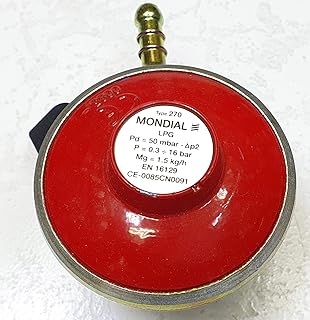
MONDIAL Regulator for Dubai Gas Use
Why We Love It
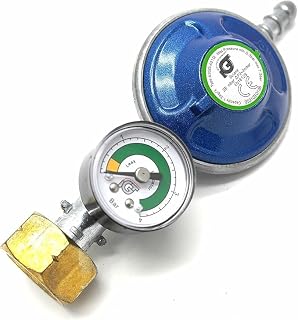
Butane Gas Regulator with Pressure Gauge
Why We Love It

NOLA Gas Pressure Regulator 2.5 Bar Model 772
Why We Love It
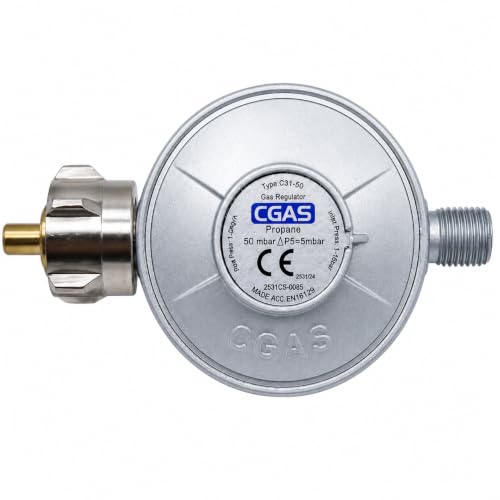
NOLA Gas Pressure Regulator 50 mbar with 1/4 Inch Left
Why We Love It

LPG Low Pressure Gas Regulator Type 080 for Gas Cylinder &
Why We Love It

ARTC Mondial Gas Regulator Quick-On Regolatore Made in Italy
Why We Love It

Copper gas splitter with two-way switch and 3 Hand twisted
Why We Love It

Luocute Nitrogen Regulator, Nitrogen with 2m Gas Pipe
Why We Love It
Quick Pick
10 Best High Pressure Gas Regulators Of 2026
Quick Pick
Pressure Regulator 30 mbar for Propane Gas Bottles 5/8/11 kg
Nitrogen Regulator for HVAC Purging and Brazing, Pressure Control Valve for Nitrogen Argon Helium and Inert Gas Tanks, CGA580 Inlet and 1/4 Inch Male Flare Outlet, 0-600 PSI Output Scale
MONDIAL Regulator for Dubai Gas Use
Butane Gas Regulator with Pressure Gauge – Fits Calor 4.5kg Butane Cylinder (Screw‑Type) – 28/30mbar Low‑Pressure LPG Regulator with 8mm Outlet for BBQ, Cookers, Camping Stoves & Pre‑2004 Caravans
NOLA Gas Pressure Regulator 2.5 Bar Model 772 - High Pressure Regulator for Propane/Butane - 3/8 Inch Left Thread Output - for 5 kg, 11 kg & 33 kg Gas Bottles - with Hose Break Protection EN 16129
NOLA Gas Pressure Regulator 50 mbar with 1/4 Inch Left Thread - Pressure Regulator for Propane, Gas Grill, Patio Heater & Gas Stove - 1.5 kg/h Flow, 1-16 Bar Input Pressure - Item 770
LPG Low Pressure Gas Regulator Type 080 for Gas Cylinder & Stove, Brass Body, Made in Italy | منظم غاز ضغط منخفض أسطوانة وموقد
ARTC Mondial Gas Regulator Quick-On Regolatore Made in Italy For Dubai Gas Use Only
Copper gas splitter with two-way switch and 3 Hand twisted clamp,Gas Divider Pressure Regulator,Gas can be sent to two devices and the switches can be controlled separately
Luocute Nitrogen Regulator, Nitrogen with 2m Gas Pipe, High Pressure 4000Psi/28000KPa Low Pressure 600Psi/4200KPa Delivery Pressure Equipment Brass Inlet Outlet Connection Gauges
Buying Guide: High Pressure Gas Regulators
📋 Table of Contents
1What pressure range should I look for in a high pressure gas regulator?
For most industrial and lab applications, a regulator with an output range of 0–100 psi is standard, but some high-pressure systems may require 0–500 psi or more. Always check the gas cylinder’s maximum pressure and the equipment’s required working pressure to avoid over- or under-pressurization.
2What’s the difference between single-stage and two-stage regulators?
Single-stage regulators are simpler and suitable for low to moderate pressure drops, while two-stage models provide more stable output under fluctuating tank pressure. Two-stage regulators are better for high-pressure gases or when consistent delivery is critical, like in welding or gas chromatography.
3Does the material of the regulator body matter for gas compatibility?
Yes — brass is common for general use, but stainless steel or aluminum is better for corrosive gases like chlorine or ammonia. Always confirm the regulator is rated for the specific gas you're using to prevent leaks or material degradation over time.
4What size orifice is best for my application?
Orifice size affects flow rate: larger orifices (e.g., 1/8” or 3/16”) allow higher flow for torches or large-volume equipment, while smaller orifices (1/16” or less) are better for precision work like lab instruments. Match the orifice size to your gas demand to avoid pressure drops or overflows.
5Are digital pressure gauges worth the extra cost?
Digital gauges offer higher accuracy and sometimes data logging, which is useful for critical applications like calibration or research. However, analog gauges are more durable in harsh environments and less prone to power failure. Choose based on your need for precision versus reliability.
How we choose
Our editors are people who genuinely love testing and writing about products. We compare each product's real-world usability and strengths, then distill what matters most into our own "Why We Love It" points — so you get an honest, at-a-glance sense of what counts before you buy.