10 Best Handheld Radio Scanner Of 2026
Handheld Radio Scanner — Reviews, Recommendations & Updated Buying Guide November 2026


Uniden UBC75XLT Handheld Scanner
Why We Love It

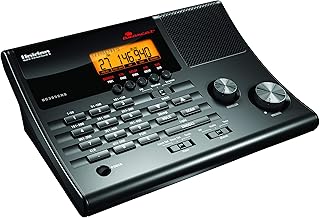
UNIDEN UNNBC365CRS, 500-Channel Scanner with Weather Alert
Why We Love It

Full Band Radio Receivers AM LW MW SW SSB LSB USB
Why We Love It
Quick Pick
10 Best Handheld Radio Scanner Of 2026
Buying Guide: Handheld Radio Scanner
📋 Table of Contents
1What frequency range should I look for in a handheld radio scanner?
Opt for models covering at least 30-512 MHz for police, fire, and emergency services, and 800-900 MHz for trunked systems. Some advanced models also include 1.8-2.0 GHz for digital trunked radio, which is common in modern public safety communications.
2What’s the difference between analog and digital scanning capabilities?
Analog scanners decode traditional FM signals, while digital ones handle encrypted or compressed formats like P25 or DMR. Digital models are more versatile for modern systems but may require firmware updates and have a steeper learning curve for new users.
3How important is the number of memory channels?
At least 200 programmable channels allow you to store and recall frequently used frequencies. More channels are useful for hobbyists tracking multiple services, but too many can complicate setup and management for casual users.
4What features should I prioritize for portability and ease of use?
Look for a lightweight design (under 1.5 lbs) with a backlit LCD screen for readability in low light. A rechargeable battery with 8-12 hours of use and a USB charging port improve convenience, especially for field use or travel.
5Are there any common mistakes to avoid when buying a handheld radio scanner?
Avoid models with limited frequency coverage or outdated firmware support. Also, be wary of scanners that lack a good antenna or have poor signal sensitivity, as these can limit your ability to pick up weak or distant signals effectively.
How we choose
Our editors are people who genuinely love testing and writing about products. We compare each product's real-world usability and strengths, then distill what matters most into our own "Why We Love It" points — so you get an honest, at-a-glance sense of what counts before you buy.