10 Best Gretsch Guitars Of 2026
Gretsch Guitars — Reviews, Recommendations & Updated Buying Guide November 2026


Gretsch G2220 Electromatic Junior Jet Bass II Short-Scale
Why We Love It

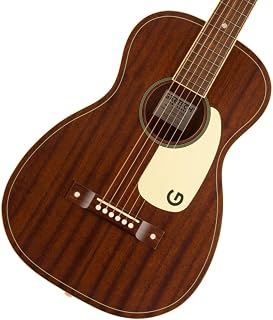
Gretsch Jim Dandy Parlor 6-String Right-Handed Acoustic
Why We Love It
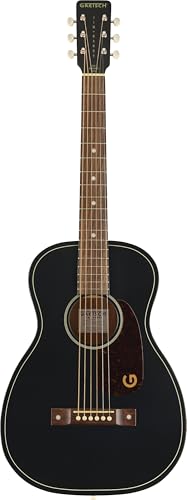
Gretsch Jim Dandy Deltoluxe Parlor Acoustic Guitar
Why We Love It
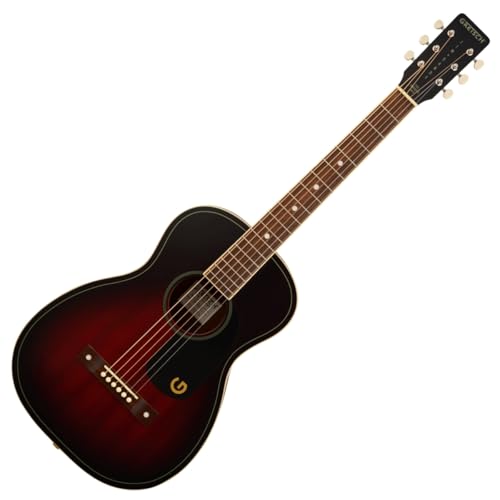
Gretsch Jim Dandy Parlor Acoustic Guitar
Why We Love It
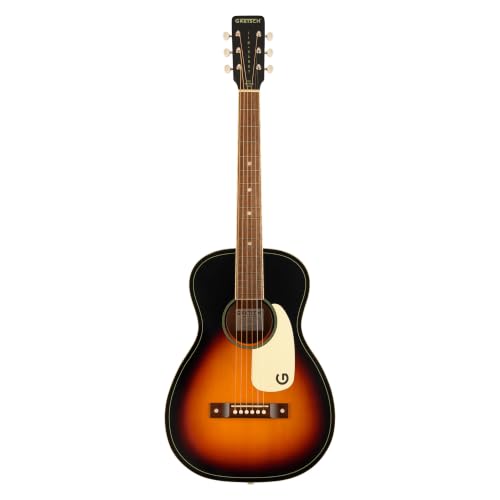
Gretsch Jim Dandy Parlor Acoustic Guitar
Why We Love It

Gretsch Electromatic Jet Electric Guitar
Why We Love It

Ignite Jet Club, Laurel Fingerboard
Why We Love It
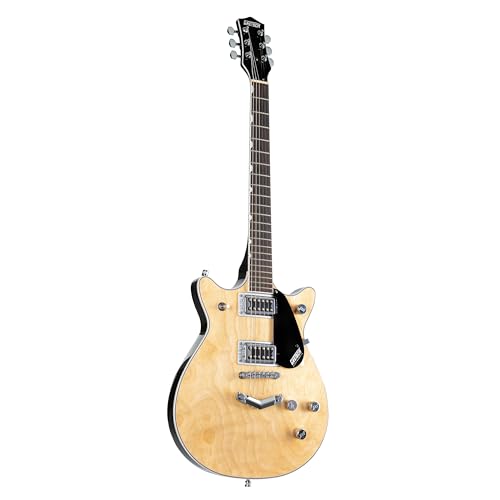
Gretsch G5222 Electromatic Double Jet
Why We Love It

Gretsch Prelude D100 Dreadnought Acoustic Guitar
Why We Love It

Gretsch G2604T Guitar (Right-Handed
Why We Love It
Quick Pick
10 Best Gretsch Guitars Of 2026
Quick Pick
Gretsch G2220 Electromatic Junior Jet Bass II Short-Scale Walnut Stain - 4-String Electric Bass
Gretsch Jim Dandy Parlor 6-String Right-Handed Acoustic Guitar with Walnut Fingerboard and Nato C-Shaped Neck (Frontier Satin)
Gretsch Jim Dandy Deltoluxe Parlor Acoustic Guitar, Walnut Fingerboard, Tort Pickguard, Black
Gretsch Jim Dandy Parlor Acoustic Guitar - Deep Cherry Burst
Gretsch Jim Dandy Parlor Acoustic Guitar - Rex Burst
Gretsch Electromatic Jet Electric Guitar - Silver Sparkle
Ignite Jet Club, Laurel Fingerboard, Jet Black
Gretsch G5222 Electromatic Double Jet - Aged Natural
Gretsch Prelude D100 Dreadnought Acoustic Guitar, Beginner Guitar, Black
Gretsch G2604T Guitar (Right-Handed, Oxblood)
Buying Guide: Gretsch Guitars
📋 Table of Contents
1What body size is best for my playing style and comfort?
Smaller bodies like 3/4 or OM guitars suit younger players or those with smaller frames, while full-size dreadnoughts offer louder volume and deeper bass. Acoustic-electric models often have slightly slimmer bodies for easier handling during live performances.
2How important is the wood type for sound and value?
Solid tops (like spruce or cedar) deliver richer, more resonant tones and improve with age, while laminated tops are more durable and affordable. Rosewood or mahogany backs and sides add warmth and projection, but laminate alternatives are great for beginners or humid climates.
3Should I prioritize electric or acoustic features for my needs?
Acoustic guitars are ideal for unplugged playing and casual use, while acoustic-electric models let you connect to amplifiers or recording setups. If you plan to perform live or record, an electric-acoustic hybrid is a smart investment for versatility.
4What neck shape and scale length should I look for?
A C-shaped neck is comfortable for most players, while a D-shape offers more hand strength for strumming. Scale length (24.75” to 25.5” for acoustics) affects string tension and playability — shorter scales are easier for smaller hands or lighter touch, while longer scales offer more volume and projection.
5Are built-in electronics worth the extra cost?
Built-in pickups and preamps allow you to plug in without external microphones, making live performance easier. Piezo systems are common and reliable, but they can sometimes sound less natural than a condenser mic setup. If you rarely perform, you can save money and add a clip-on pickup later.
How we choose
Our editors are people who genuinely love testing and writing about products. We compare each product's real-world usability and strengths, then distill what matters most into our own "Why We Love It" points — so you get an honest, at-a-glance sense of what counts before you buy.