10 Best Golden Age Project Ribbon Microphones Of 2026
Golden Age Project Ribbon Microphones — Reviews, Recommendations & Updated Buying Guide November 2026


Golden Age Project R2 MKII Ribbon Microphone
Why We Love It


Golden Age Project R1 ST Vintage Style Stereo Ribbon
Why We Love It

Golden Age Project R1 SM Shock Mount for R-1 Ribbon
Why We Love It

Golden Age Project Pre-73 MKIII Mic Line Preamp
Why We Love It

MXL R77 Professional Ribbon Microphone
Why We Love It

Warm Audio WA-44 Studio Ribbon Microphone
Why We Love It
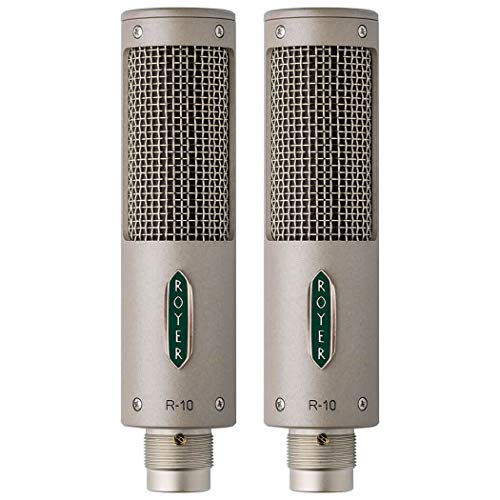
R10 Ribbon Microphone, Matched Pair
Why We Love It
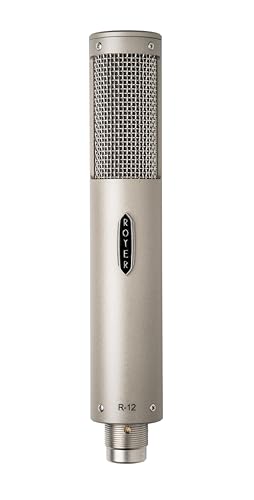
Royer Labs R-12 Active Ribbon Microphone
Why We Love It

Royer R-121 Studio Ribbon Microphone
Why We Love It

Cloud Microphones, JRS-34 Passive Ribbon Microphone
Why We Love It
Quick Pick
10 Best Golden Age Project Ribbon Microphones Of 2026
Quick Pick
Golden Age Project R2 MKII Ribbon Microphone
Golden Age Project R1 ST Vintage Style Stereo Ribbon Microphone
Golden Age Project R1 SM Shock Mount for R-1 Ribbon Microphone
Golden Age Project Pre-73 MKIII Mic Line Preamp
MXL R77 Professional Ribbon Microphone
Warm Audio WA-44 Studio Ribbon Microphone
R10 Ribbon Microphone - Matched Pair
Royer Labs R-12 Active Ribbon Microphone
Royer R-121 Studio Ribbon Microphone
Cloud Microphones - JRS-34 Passive Ribbon Microphone - USA Made
Buying Guide: Golden Age Project Ribbon Microphones
📋 Table of Contents
1What frequency response range is best for a ribbon microphone?
Look for a range of 20Hz to 20kHz for full audio coverage, but many ribbon mics emphasize warmth with a roll-off below 100Hz. For vocals or acoustic instruments, a slightly boosted mid-range (1-5kHz) can enhance clarity and presence.
2Should I choose a passive or active ribbon microphone?
Passive ribbon mics require a high-output preamp and are often warmer and more vintage-sounding, while active models include built-in electronics and are easier to use with standard preamps. Active mics are more versatile for home studios or live settings.
3How does polar pattern affect ribbon mic performance?
Most ribbon mics are figure-8, capturing sound from the front and back while rejecting side noise — ideal for stereo miking or isolating a source. Some models offer switchable patterns, but figure-8 is best for natural sound and off-axis rejection in most studio setups.
4What sensitivity level should I look for in a ribbon mic?
A sensitivity range of 10-30 mV/Pa is typical for ribbon mics, which are generally less sensitive than condenser mics. Pairing with a preamp that has low noise and high gain is essential to avoid a weak signal and maintain clarity.
5Are shock mounts or pop filters necessary for ribbon mics?
Yes — ribbon mics are delicate and sensitive to air pressure, so a shock mount is crucial to prevent damage from vibrations. A high-quality pop filter also helps reduce plosives, especially when recording vocals or close-miked instruments like acoustic guitar.
How we choose
Our editors are people who genuinely love testing and writing about products. We compare each product's real-world usability and strengths, then distill what matters most into our own "Why We Love It" points — so you get an honest, at-a-glance sense of what counts before you buy.