10 Best Gl.inet Flint 3 Of 2026
Gl.inet Flint 3 — Reviews, Recommendations & Updated Buying Guide November 2026

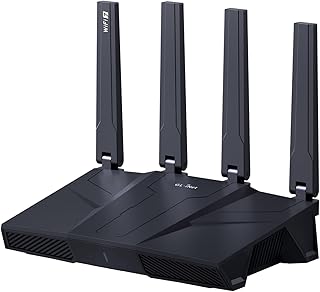
GL.iNet GL-BE9300 Flint 3 Tri-Band Wi-Fi 7 Router 5 x 2.5G
Why We Love It


GL.iNet GL-BE6500 Flint 3e Wi-Fi 7 Router with VPN for Home
Why We Love It

GL.iNet GL-MT6000 Flint 2 Wi-Fi 6 Gaming Router Dual 2.5G
Why We Love It

GL.iNet GL-MT3000 Beryl AX Wi-Fi 6 Travel Router
Why We Love It

GL.iNet GL-BE3600 Slate 7 Wi-Fi 7 Travel Router Touchscreen
Why We Love It

GL.iNet GL-MT3600BE Beryl 7 Dual-Band Wi-Fi 7 Travel Router
Why We Love It

GL.iNet GL-AXT1800 Slate AX Pocket-Sized Wi-Fi 6 Travel
Why We Love It

GL.iNET GL-MT300N-V2 (Mango) Wireless Mini Portable VPN
Why We Love It
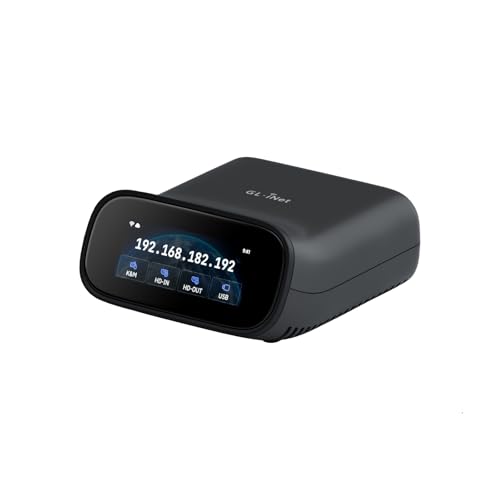
GL.iNet GL-RM10 Comet Pro Remote KVM Over Wi-Fi 6 Dual Band
Why We Love It

GL.iNet GL-AR300M16-Ext Mini Travel Router
Why We Love It
Quick Pick
10 Best Gl.inet Flint 3 Of 2026
Quick Pick
GL.iNet GL-BE9300 Flint 3 Tri-Band Wi-Fi 7 Router 5 x 2.5G VPN Router | Tri-Band Wi-Fi 7 with 6GHz, 9 Gbps wireless speed for smooth 8K streaming, low-latency gaming, and video calls
GL.iNet GL-BE6500 Flint 3e Wi-Fi 7 Router with VPN for Home and Gaming | Wi-Fi 7 BE6500 up to 6.5 Gbps with MLO and 4K-QAM for 4K streaming, gaming, and video calls
GL.iNet GL-MT6000 Flint 2 Wi-Fi 6 Gaming Router Dual 2.5G Ports | Wi-Fi 6 6 Gbps, 8-stream, 2.5G WAN and LAN, WireGuard 900Mbps, OpenVPN 880Mbps, AdGuard Home
GL.iNet GL-MT3000 Beryl AX Wi-Fi 6 Travel Router, 2.5G WAN, VPN, OpenWrt | Wi-Fi 6 dual band 574Mbps 2.4GHz plus 2402Mbps 5GHz, 2.5G WAN, gigabit LAN, USB 3.0
GL.iNet GL-BE3600 Slate 7 Wi-Fi 7 Travel Router Touchscreen 2.5G | Touchscreen toggles VPN or AdGuard, 1-inch mini size, ideal for hotel, cruise, RV, business trip, plane connectivity
GL.iNet GL-MT3600BE Beryl 7 Dual-Band Wi-Fi 7 Travel Router | Dual-Band Wi-Fi 7 688 plus 2882 Mbps, Dual 2.5G ports, USB 3.0, WireGuard 1100 Mbps, OpenWrt 21.02, WPA3, AdGuard Home, 205g
GL.iNet GL-AXT1800 Slate AX Pocket-Sized Wi-Fi 6 Travel Router with VPN | Dual-band Wi-Fi 6 speeds up to 1800 Mbps, MU-MIMO and OFDMA, connects up to 120 devices simultaneously
GL.iNET GL-MT300N-V2 (Mango) Wireless Mini Portable VPN Travel Router, WiFi Repeater Bridge, Range Extender, OpenVPN Client, 300Mbps High Performance, 128MB RAM
GL.iNet GL-RM10 Comet Pro Remote KVM Over Wi-Fi 6 Dual Band 4K Passthrough
GL.iNet GL-AR300M16-Ext Mini Travel Router, OpenWrt Pre-Installed, Repeater Bridge, 300Mbps High Performance, 16MB Nor Flash, 128MB RAM, OpenVPN, Programmable IoT Gateway
Buying Guide: Gl.inet Flint 3
📋 Table of Contents
1What speed class do I need for streaming and gaming?
Look for routers with at least Wi-Fi 6 (802.11ax) for faster speeds and better performance with multiple devices. For 4K streaming or online gaming, aim for a minimum of 1200 Mbps combined speed on both 2.4 GHz and 5 GHz bands to avoid lag or buffering.
2How many devices can a router handle without slowing down?
A mid-range router can support 20-30 devices reliably, while high-end models with beamforming and MU-MIMO technology can handle 50+ devices without significant slowdown. Check the number of spatial streams (2x2 or 4x4) for better multi-device performance.
3Is dual-band or tri-band better for my home?
Dual-band (2.4 GHz and 5 GHz) is ideal for most homes, separating older devices and high-speed ones. Tri-band adds an extra 5 GHz band for heavy usage, reducing congestion in large households with many connected devices or smart home gadgets.
4What's the difference between Wi-Fi 5 and Wi-Fi 6?
Wi-Fi 6 offers faster speeds, lower latency, and better efficiency with more devices. It uses OFDMA and MU-MIMO to serve multiple devices at once, making it more future-proof for smart homes and high-bandwidth activities like 4K streaming or VR.
5What accessories or features are worth paying extra for?
Mesh networking kits are worth it for large homes with dead zones, while a built-in firewall or parental controls add security. USB ports for printers or external drives are handy, but only if you need them — don’t pay for unused features.
How we choose
Our editors are people who genuinely love testing and writing about products. We compare each product's real-world usability and strengths, then distill what matters most into our own "Why We Love It" points — so you get an honest, at-a-glance sense of what counts before you buy.