10 Best Gigabit Network Switches Of 2026
Gigabit Network Switches — Reviews, Recommendations & Updated Buying Guide November 2026


TP-Link TL-SG105 5-Port Gigabit Unmanaged Ethernet Network
Why We Love It


TP-Link TL-SG108, 8 Port Gigabit Unmanaged Ethernet Switch
Why We Love It

UGREEN Ethernet Switch 5-Port Gigabit
Why We Love It

D-Link DGS-105, 5 Port Gigabit Ethernet Switch Unmanaged
Why We Love It
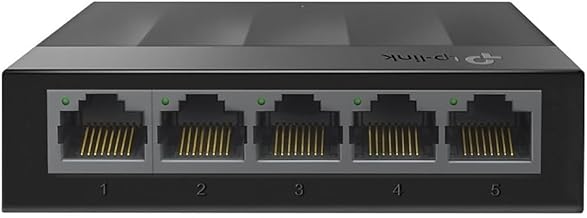
TP-Link LS1005G
Why We Love It

TP-Link TL-SG1008D, 8 Port Gigabit Ethernet Network Switch
Why We Love It

UGREEN Ethernet Switch 6 Port
Why We Love It

TP-Link LS1005G 5-Port Gigabit Network Switch
Why We Love It

TP-Link LS108G 8-Port Gigabit Network Switch
Why We Love It
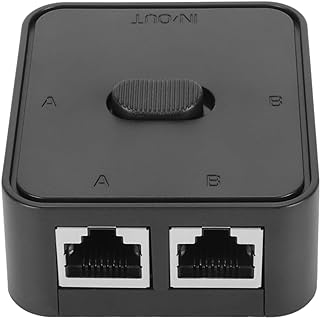
2 Port Gigabit Network Switch
Why We Love It
Quick Pick
10 Best Gigabit Network Switches Of 2026
Quick Pick
TP-Link TL-SG105 5-Port Gigabit Unmanaged Ethernet Network Switch, Fanless Metal Design, Black
TP-Link TL-SG108, 8 Port Gigabit Unmanaged Ethernet Switch, Black | Fanless Metal Design, Plug & Play, Desktop/Wall Mount, Traffic Optimization, Limited Lifetime Protection
UGREEN Ethernet Switch 5-Port Gigabit,240W Desktop Network Splitter | 5*RJ45 Port Support 10/100/1000Mbps,Unmanaged Plug & Play Ethernet Adapter,Compatible with Router,TV,Game Console,Computer
D-Link DGS-105, 5 Port Gigabit Ethernet Switch Unmanaged, Network Splitter, Silent Fanless, Network Hub, Sturdy Metal with Shielded Ports, Desktop/Wall Mount, QoS, Energy Saving, Plug and Play
TP-Link LS1005G, Litewave 5 Port Gigabit Ethernet Unmanaged Switch | Desktop Ethernet Splitter, Unshielded Network Switch, Plug & Play, Fanless Quiet
TP-Link TL-SG1008D, 8 Port Gigabit Ethernet Network Switch | Plug and Play, Desktop or Wall Mount, Plastic Case Ethernet Splitter, Fanless, Traffic Optimization, Unmanaged
UGREEN Ethernet Switch 6 Port,4 PoE+60W and 2 Gigabit Ethernet,Plug & Play | Auto/VLAN/Extend Mode, Sturdy Metal, Desktop or Wall Mount Network Splitter for Security Camera, IP Phone,250m Extend Range
TP-Link LS1005G 5-Port Gigabit Network Switch, Ethernet Splitter | Power-Saving Ethernet Switch, Desktop&Wall-Mount, Silent Operation, Plug & Play, Auto-MDI/MDIX, Home/Office/Surveillance
TP-Link LS108G 8-Port Gigabit Network Switch, Metal Ethernet Switch | Power-Saving Ethernet Splitter, Desktop & Wall-Mounting, Silent Operation, Plug&Play, QoS, Home/Office/Surveillance
2 Port Gigabit Network Switch, 10/100/1000Mbps 2 Inputs 1 Out 1 Input 2 Outputs PoE Extended Network Adapter, RJ45 8 PIN Splitter Selector Switch for Cat 5 Cat 5e Cat 6 Cat 7
Buying Guide: Gigabit Network Switches
📋 Table of Contents
1What port speed and throughput should I look for in a gigabit network switch?
Look for switches with 10/100/1000 Mbps ports for standard gigabit performance. For higher capacity, consider models with 2.5G or 5Gbps ports, which offer faster data transfer for modern devices like 4K cameras or high-speed NAS drives.
2How many ports do I need for my setup?
For a small home or office, 8-16 ports are typical. If you have multiple devices, gaming consoles, or IoT gadgets, aim for 24 ports. Stackable switches allow you to expand your network as needed without buying a new unit.
3What’s the difference between managed and unmanaged switches?
Unmanaged switches are plug-and-play, ideal for basic home use. Managed switches offer VLAN support, QoS, and port monitoring, which are essential for businesses or advanced users needing traffic control and security features.
4Should I prioritize PoE (Power over Ethernet) support?
If you use IP cameras, VoIP phones, or wireless access points, look for PoE or PoE+ switches. They deliver power and data over a single cable, reducing clutter and installation costs, though they typically cost more and have higher power limits.
5What should I check for reliability and performance?
Look for switches with low latency, high packet forwarding rates (at least 10Mpps), and support for protocols like IGMP and VLAN. Metal chassis and fanless designs improve durability and reduce noise, making them better for long-term use in offices or data centers.
How we choose
Our editors are people who genuinely love testing and writing about products. We compare each product's real-world usability and strengths, then distill what matters most into our own "Why We Love It" points — so you get an honest, at-a-glance sense of what counts before you buy.