10 Best Gerber Stage Of 2026
Gerber Stage — Reviews, Recommendations & Updated Buying Guide November 2026


Gerber Stage 2 Nourishing Blends Hearty Dinner Baby Food
Why We Love It


Gerber Stage 2 Chicken and Turkey Variety Pack Puree
Why We Love It

Gerber Stage 2 Beef and Gravy Baby Food
Why We Love It

Gerber Stage 2 Fruit and Veggie Favorites Baby Food
Why We Love It

Gerber Stage 2 Fruit and Cereal Variety Pack
Why We Love It
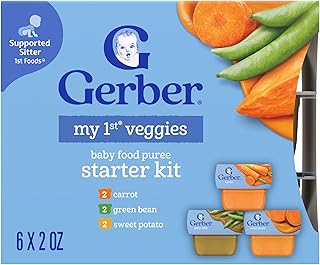
Gerber Stage 1 Baby Food
Why We Love It
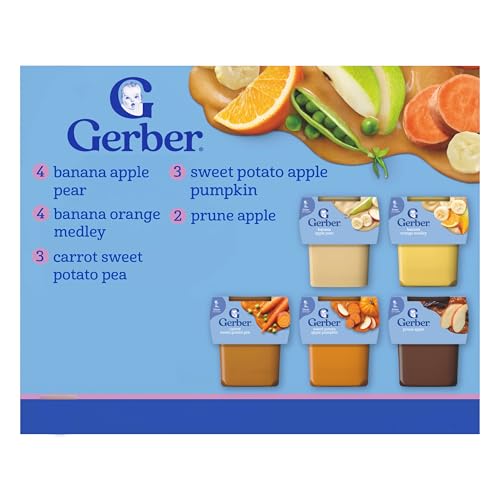
Gerber Stage 2 Super Blend Baby Food Variety Pack
Why We Love It

Gerber 2nd Foods Bananas
Why We Love It
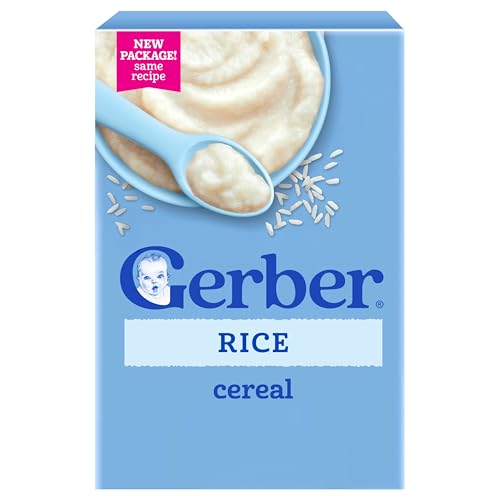
Gerber Stage 1 Rice Cereal
Why We Love It
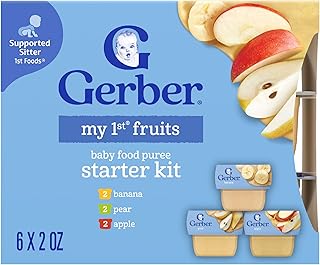
Gerber Stage 1 My 1st Fruits Banana Pear Apple
Why We Love It
Quick Pick
10 Best Gerber Stage Of 2026
Quick Pick
Gerber Stage 2 Nourishing Blends Hearty Dinner Baby Food, 4 Oz, 32 Pack | Stage 2 nourishing blends hearty dinners variety pack; 32 x 4 oz tubs
Gerber Stage 2 Chicken and Turkey Variety Pack Puree, 2.5 Oz, 12 Pack
Gerber Stage 2 Beef and Gravy Baby Food, 2.5 Oz, 10 Pack | Stage 2 mealtime meat puree; beef and gravy; 10 x 2.5 oz glass jars
Gerber Stage 2 Fruit and Veggie Favorites Baby Food, 4 Oz, 32 Pack | Stage 2 fruit and veggie puree variety pack; 32 x 4 oz tubs
Gerber Stage 2 Fruit and Cereal Variety Pack, 4 Oz, 32 Pack
Gerber Stage 1 Baby Food, Veggie Variety Pack Puree Tubs, Baby Puree, 2PK | Stage 1 veggie puree variety; green bean, sweet potato, carrot; 12 x 2 oz tubs
Gerber Stage 2 Super Blend Baby Food Variety Pack, 4 Oz, 32 Pack
Gerber 2nd Foods Bananas, 4 Ounce Tubs, 2 Count (Pack of 8)
Gerber Stage 1 Rice Cereal, Non-GMO, 8 Oz, 5 Pack
Gerber Stage 1 My 1st Fruits Banana Pear Apple, 2 Oz, 12 Pack | Stage 1 starter kit fruit puree; banana pear apple; 12 x 2 oz tubs
Buying Guide: Gerber Stage
📋 Table of Contents
1What age range is best suited for single-ingredient purees?
Single-ingredient purees are ideal for babies aged 4–6 months who are just starting solids. They help identify food allergies and ease digestion, while multi-ingredient blends are better for babies 8 months and older with more developed taste and texture tolerance.
2Are organic ingredients really necessary for baby foods?
Organic ingredients reduce pesticide exposure, which is a plus for health-conscious parents, but not mandatory. Look for certified organic labels if you prioritize this, but non-organic options can still be safe and nutritious if prepared and stored properly.
3How long can homemade baby food be stored safely?
Homemade purees can be frozen for up to 3 months in airtight containers or ice cube trays. In the fridge, they last 2–3 days. Always reheat to a steaming temperature and avoid refreezing thawed food to prevent bacterial growth.
4What texture should I look for at different stages?
At 4–6 months, aim for smooth, runny purees. By 6–8 months, thicker purees with small lumps are good. From 8–12 months, soft, chewable pieces or finger foods help develop motor skills and transition to family meals.
5Are pouches or jars better for on-the-go feeding?
Pouches are convenient for travel and mess-free feeding, but they often contain added sugars and preservatives. Jars offer more control over ingredients and portion sizes, making them better for home use and monitoring nutritional content.
How we choose
Our editors are people who genuinely love testing and writing about products. We compare each product's real-world usability and strengths, then distill what matters most into our own "Why We Love It" points — so you get an honest, at-a-glance sense of what counts before you buy.