10 Best Gaming Qhd Tvs Of 2026
Gaming Qhd Tvs — Reviews, Recommendations & Updated Buying Guide November 2026


KOORUI 27-inch QHD 260Hz 1ms IPS Gaming Monitor
Why We Love It


Z-EDGE 27inch Gaming Monitor
Why We Love It

LG 32G600A-B 32-inch Ultragear QHD (2560 x 1440) Curved
Why We Love It

Samsung Odyssey G5 G53F 27" QHD 200Hz Refresh Rate
Why We Love It
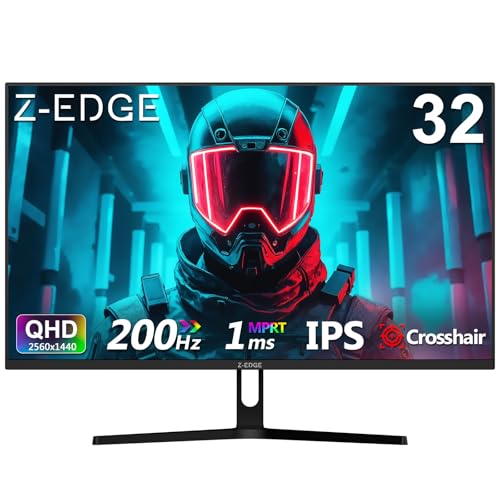
Z-Edge 32 Inch Gaming Monitor
Why We Love It

Samsung 32" Odyssey G5 G55C QHD Curved Gaming Monitor
Why We Love It

GAMEON GOAE24QHD180IPS 24 Inch Gaming Monitor QHD 2K 180Hz
Why We Love It

Samsung Odyssey G5 Series 27-Inch WQHD Curved Gaming Monitor
Why We Love It

AOC 27" Smart Gaming Monitor QHD 180Hz VA Google TV USB-C
Why We Love It
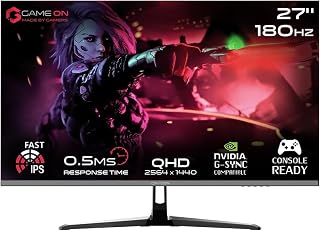
GAMEON GOPS27QHD180IPS 27 Inch Gaming Monitor QHD 2K 180Hz
Why We Love It
Quick Pick
10 Best Gaming Qhd Tvs Of 2026
Quick Pick
KOORUI 27-inch QHD 260Hz 1ms IPS Gaming Monitor, Flat PC Screen, HDR400, 99% sRGB, HDMI/DP, Black - Ideal for Competitive Gaming & Home Office
Z-EDGE 27inch Gaming Monitor,IPS,Max 180Hz,QHD 2560×1440,1ms,Black,UG27QF | FreeSync/Frameless/1ms/Brightness 350cd/m²/HDR/VESA Compatible/HDMI & DisplayPort/for Game,Office
LG 32G600A-B 32-inch Ultragear QHD (2560 x 1440) Curved Gaming Monitor, 180Hz, 1ms, AMD FreeSync, HDMI, DisplayPort, Tilt/Height/Swivel Adjustable Stand, Black
Samsung Odyssey G5 G53F 27" QHD 200Hz Refresh Rate, 1Ms Response Time Gaming Monitor, LS27FG532EMXUE
Z-Edge 32 Inch Gaming Monitor, QHD 2K 200Hz,IPS LED,FreeSync,100% sRGB,UG32
Samsung 32" Odyssey G5 G55C QHD Curved Gaming Monitor, 165Hz refresh rate and 1ms response time (MPRT), 1000R Curved Screen, AMD FreeSync, Middle East Version (New Launch) - LS32CG552EMXUE
GAMEON GOAE24QHD180IPS 24 Inch Gaming Monitor QHD 2K 180Hz Fast IPS Computer Monitor, 0.5ms MPRT, HDMI 2.1, HDR, 99% sRGB, G-Sync & FreeSync Compatible, Built-in Speakers, PS5 & Console Ready, Black
Samsung Odyssey G5 Series 27-Inch WQHD Curved Gaming Monitor 144Hz 1ms HDMI Display Port FreeSync Premium
AOC 27" Smart Gaming Monitor QHD 180Hz VA Google TV USB-C 65W PD, Q27G4XY | 2560×1440 Computer Monitor, 1ms GtG, USB 3.2, DP 1.4, HDMI 2.0, Height Adjustable Stand, Built-in Speakers, VESA Mount
GAMEON GOPS27QHD180IPS 27 Inch Gaming Monitor QHD 2K 180Hz Fast IPS Computer Monitor, 0.5ms MPRT, HDMI 2.1, HDR, 99% sRGB, G-Sync & FreeSync Compatible, Built-in Speakers, PS5 & Console Ready, Black
Buying Guide: Gaming Qhd Tvs
📋 Table of Contents
1What resolution and refresh rate should I look for in a QHD gaming TV?
QHD TVs offer 2,880p resolution (1,440p per side), which is ideal for 1440p gaming. Look for a refresh rate of at least 120Hz for smooth gameplay, especially in fast-paced genres. Some models support variable refresh rate (VRR) for better sync with gaming consoles and PCs.
2Does HDMI 2.1 matter for gaming performance?
Yes — HDMI 2.1 supports higher bandwidth, enabling 4K@120Hz or QHD@144Hz, and features like Auto Low Latency Mode (ALLM) and Variable Refresh Rate (VRR). These reduce input lag and screen tearing, making it essential for competitive or immersive gaming.
3What panel type is best for gaming on a QHD TV?
IPS panels offer wider viewing angles and accurate color reproduction, which is great for multiplayer or streaming. VA panels provide deeper blacks and higher contrast but may have slower response times. Look for models with 4ms or lower response time for smoother motion handling.
4How important is a built-in gaming processor for a QHD TV?
A dedicated gaming processor enhances upscaling, motion handling, and reduces input lag. While not as critical as in consoles, it can make a noticeable difference in how well QHD content is rendered from lower-resolution sources, especially for PC gamers.
5What size QHD TV is best for gaming?
For immersive gaming, 27-32 inches is ideal for QHD, as it balances screen real estate with pixel density. Larger sizes (34-42 inches) may look less sharp unless you sit closer. Consider your room size and seating distance when choosing the right size for your setup.
How we choose
Our editors are people who genuinely love testing and writing about products. We compare each product's real-world usability and strengths, then distill what matters most into our own "Why We Love It" points — so you get an honest, at-a-glance sense of what counts before you buy.