10 Best Gaming Microphones For Podcasting Of 2026
Gaming Microphones For Podcasting — Reviews, Recommendations & Updated Buying Guide November 2026


FIFINE AmpliGame A6T Gaming PC USB Microphone Kit for
Why We Love It

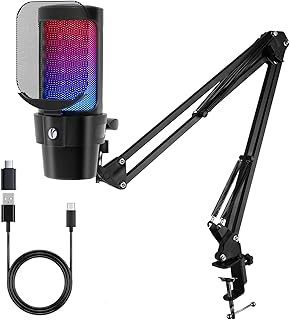
VCOM Gaming USB Microphone
Why We Love It

Rode NT-USB Mini Versatile Studio-Quality Condenser
Why We Love It

RØDE PodMic Versatile Dynamic Broadcast Microphone with XLR
Why We Love It

FDUCE Condenser USB Microphone PC Metal Microphone Kit with
Why We Love It
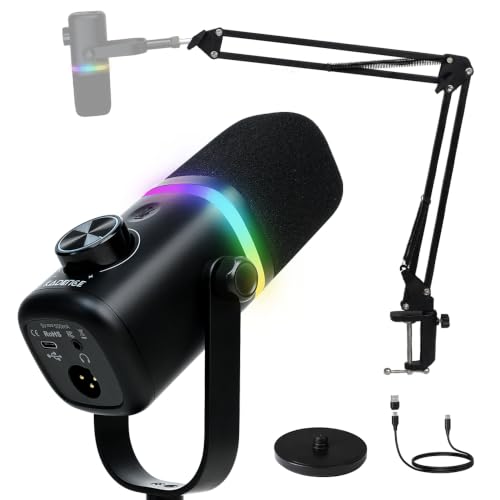
Kadence K777 Home Series Type-C Condenser Mic with Boom Arm
Why We Love It

UGREEN USB Condenser Gaming Microphone for Streaming and
Why We Love It

Angju USB Condenser Microphone Compatible with
Why We Love It

Professional Studio Microphone Set – V8 Sound Card
Why We Love It

HyperX QuadCast 2 S – USB Microphone
Why We Love It
Quick Pick
10 Best Gaming Microphones For Podcasting Of 2026
Quick Pick
FIFINE AmpliGame A6T Gaming PC USB Microphone Kit for Streaming,Podcasting | Condenser Mic with Boom Arm, Pop Filter, Mute Button for Twitch, Online Chat, RGB Computer Mic for PS4/5 PC Gamer Youtuber
VCOM Gaming USB Microphone,Condenser Dynamic Boom Arm Mic for Podcasting,Streaming, with Boom Arm Stand,Quick Mute,Pop Filter,RGB Indicator,Shock Mount,Rotate gain Button, Compatible with PS4/5/PC
Rode NT-USB Mini Versatile Studio-Quality Condenser Microphone with Free Software for Podcasting, Streaming, Gaming, Music Production, Vocal and Instrument Recording
RØDE PodMic Versatile Dynamic Broadcast Microphone with XLR and USB Connectivity for Podcasting, Streaming, Gaming, Music and Content Creation
FDUCE Condenser USB Microphone PC Metal Microphone Kit with Adjustable Cantilever Stand Shock Mount Desktop Stand for Instrument Dubbing, Recording, Podcasting, YouTube Vocals, Game Streaming (MC88)
Kadence K777 Home Series Type-C Condenser Mic with Boom Arm Stand | Cardioid Microphone with Volume Control & RGB Light | Desktop Stand & Boom Arm Clamp Included | Plug & Play | Black
UGREEN USB Condenser Gaming Microphone for Streaming and Voice Chat | 24-bit/96kHz Audio, Quick Mute and Zero-Latency Monitoring; Includes Pop Filter, Shock Mount and 7 RGB Modes for PC and PS5
Angju USB Condenser Microphone Compatible with PC/MAC/Ps4/iPhone/iPad/Android,Computer Mic with Noise Cancelling & Reverb, Studio Microphone for Voice and Music Recording,Podcasting,Streaming,Gaming
Professional Studio Microphone Set – V8 Sound Card, Adjustable Stand, Shock Mount, Pop Filter & More – Perfect for Recording, Streaming & Podcasting
HyperX QuadCast 2 S – USB Microphone, with RGB Lighting, Streaming and Podcasting, with On-Board Controls, LED Lighting, Removable Shock Mount, PC, Mac, USB-C - Black
Buying Guide: Gaming Microphones For Podcasting
📋 Table of Contents
1Should I prioritize USB or XLR for podcasting?
USB mics are plug-and-play and ideal for solo podcasters or streamers, while XLR mics offer better sound quality and flexibility with an audio interface. For professional setups or multi-person shows, XLR is the better long-term choice.
2What sensitivity level is best for clear voice recordings?
Look for a sensitivity range of -30dB to -45dB for balanced voice capture. Too high and you’ll pick up background noise; too low and your voice may sound distant or muffled in the recording.
3Do I need a cardioid polar pattern for podcasting?
Yes — cardioid mics focus on sound from the front and reject noise from the sides and back, making them perfect for single-speaker setups. Avoid omnidirectional mics unless you need to capture multiple voices or ambient sound.
4What sample rate and bit depth should I look for?
A sample rate of 44.1kHz or 48kHz and a bit depth of 16-bit or 24-bit ensures studio-quality audio. Higher settings (like 24-bit) give more dynamic range, which is especially useful for post-production editing and noise reduction.
5Are pop filters and shock mounts worth buying separately?
Yes — a pop filter reduces plosive sounds like 'p' and 'b' for cleaner audio, while a shock mount isolates the mic from vibrations and handling noise. Many budget mics don’t include these, but they’re essential for a polished podcast.
How we choose
Our editors are people who genuinely love testing and writing about products. We compare each product's real-world usability and strengths, then distill what matters most into our own "Why We Love It" points — so you get an honest, at-a-glance sense of what counts before you buy.