10 Best Fuzz Pedals Of 2026
Fuzz Pedals — Reviews, Recommendations & Updated Buying Guide November 2026


Behringer SF-300 Super Fuzz
Why We Love It


Behringer Octavia Octave Fuzz Pedal
Why We Love It

Donner Fuzz Pedal, Stylish Fuzz Ⅱ Guitar Effect Pedal
Why We Love It

Dunlop Jimi Hendrix™ Fuzz Face® Distortion
Why We Love It
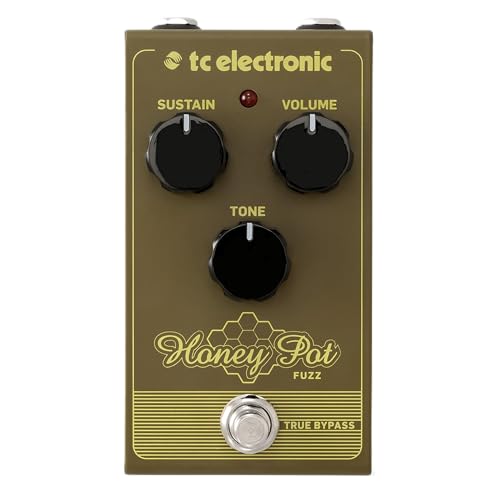
TC Electronic HONEY POT FUZZ Vintage-Flavored Fuzz Pedal
Why We Love It
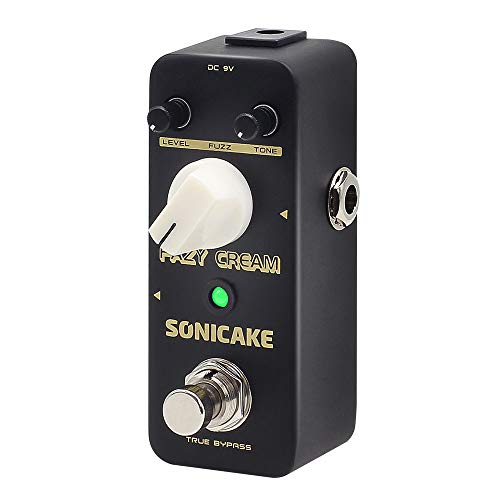
SONICAKE Fuzz Guitar Effect Pedal
Why We Love It

Warm Audio Foxy Tone Box Fuzz Pedal Octave Effect with
Why We Love It

JHS Pedals JHS The Kilt V2 Overdrive and Fuzz Guitar Effects
Why We Love It

Electro-Harmonix Big Muff Pi Guitar Effects Pedal
Why We Love It
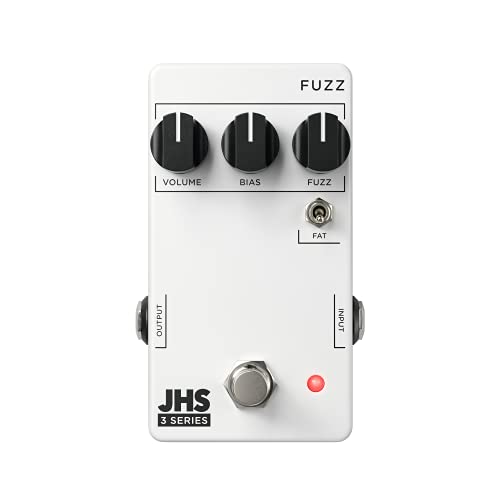
JHS Pedals 3 Series Fuzz (3SFUZZ)
Why We Love It
Quick Pick
10 Best Fuzz Pedals Of 2026
Quick Pick
Behringer SF-300 Super Fuzz
Behringer Octavia Octave Fuzz Pedal
Donner Fuzz Pedal, Stylish Fuzz Ⅱ Guitar Effect Pedal, Classic Mini Fuzz Pedal for Electric Guitar True Bypass
Dunlop Jimi Hendrix™ Fuzz Face® Distortion
TC Electronic HONEY POT FUZZ Vintage-Flavored Fuzz Pedal with Massive Wall of Tones and Miles of Sustain
SONICAKE Fuzz Guitar Effect Pedal, Mini Vintage Fuzz Pedal - Fazy Cream
Warm Audio Foxy Tone Box Fuzz Pedal Octave Effect with Volume, Sustain, Fuzz Knobs, Octave Switch, True-bypass Switching - Orange
JHS Pedals JHS The Kilt V2 Overdrive and Fuzz Guitar Effects Pedal
Electro-Harmonix Big Muff Pi Guitar Effects Pedal
JHS Pedals 3 Series Fuzz (3SFUZZ)
Buying Guide: Fuzz Pedals
📋 Table of Contents
1What types of fuzz pedals are best for different guitar styles?
Thick, high-gain fuzz like the Big Muff is ideal for rock and metal, while vintage-style pedals like the Fuzz Face work well for blues and classic rock. For modern tones, look for pedals with tone shaping or blend controls to mix clean and distorted signals.
2How does battery life affect my choice of fuzz pedal?
Most analog fuzz pedals use 9V batteries and last 10-20 hours, but digital or high-powered models may drain faster. If you play live often, consider a pedal with a DC power jack or a power supply that supports daisy-chaining for convenience and reliability.
3Should I prioritize true bypass or buffered switching?
True bypass preserves your guitar's tone when the pedal is off, which is great for purists. Buffered switching helps maintain signal strength in long cable runs but may slightly color the tone. Choose based on your setup and how sensitive your gear is to signal loss.
4What input impedance should I look for?
A high input impedance (1MΩ or more) ensures your guitar's tone isn't sapped when the pedal is off. Lower impedance can dull highs and mids, especially with passive pickups. Check the spec sheet or look for pedals that mention 'high-impedance input' for the best tone preservation.
5Are overdrive or distortion pedals better than fuzz for beginners?
Fuzz is more aggressive and harder to control, making it less forgiving for new players. Overdrive and distortion offer smoother, more dynamic tones and are easier to integrate into a mix. Start with a mild overdrive or a vintage-style fuzz to learn how to shape your sound effectively.
How we choose
Our editors are people who genuinely love testing and writing about products. We compare each product's real-world usability and strengths, then distill what matters most into our own "Why We Love It" points — so you get an honest, at-a-glance sense of what counts before you buy.