10 Best Fuel Transfer Lubrication Of 2026
Fuel Transfer Lubrication — Reviews, Recommendations & Updated Buying Guide November 2026


Fuel Treatment/1x1/Quart
Why We Love It


Liqui Moly Add to Fuel Injection Cleaner (300ml)- 2 Pieces
Why We Love It
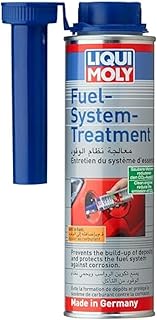
LIQUI MOLY Fuel System Treatment
Why We Love It

3L Transmission Fluid Pump Manual Oil Filling System
Why We Love It

Liqui Moly 2770, Engine Oil Additive
Why We Love It

BLACKHORSE-RACING 12V DC Portable Electric Fuel Transfer
Why We Love It

Liqui Moly Fuel Project 300 ml
Why We Love It

Stp 78588 Multi-Purpose Motor Treatment Plus Fuel Stabilizer
Why We Love It

Lucas 10020 Fuel Treatment
Why We Love It

Liqui Moly Mos2 Anti friction for Gears
Why We Love It
Quick Pick
10 Best Fuel Transfer Lubrication Of 2026
Quick Pick
Fuel Treatment/1x1/Quart
Liqui Moly Add to Fuel Injection Cleaner (300ml)- 2 Pieces
LIQUI MOLY Fuel System Treatment | 300 ml | Petroladititive | SKU: 8365
3L Transmission Fluid Pump Manual Oil Filling System,Suitable for Gear Lube and ATF Transfer Hand Pump, Leak-Proof Seals Clear Volume Measurement Scale and Universal Adapter Kit for Cars and Trucks
Liqui Moly 2770 - Engine Oil Additive
BLACKHORSE-RACING 12V DC Portable Electric Fuel Transfer Pump Diesel Kerosene Oil Commercial Fuel Transfer Extractor Pump Motor Auto
Liqui Moly Fuel Project 300 ml
Stp 78588 Multi-Purpose Motor Treatment Plus Fuel Stabilizer With Spout - 16 Fl Oz, 17173
Lucas 10020 Fuel Treatment - 5.25 oz
Liqui Moly Mos2 Anti friction for Gears - Oil-Additive only for Manual Transmition (50g)
Buying Guide: Fuel Transfer Lubrication
📋 Table of Contents
1What's the difference between synthetic and mineral fuel transfer lubricants?
Synthetic lubricants offer better protection at extreme temperatures and last longer between changes, while mineral options are cheaper and work fine for standard operating conditions. Choose synthetic if your equipment runs in hot climates or high-stress applications, otherwise mineral is sufficient.
2How do I know what viscosity grade I need for my fuel system?
Check your equipment's manual for the recommended viscosity rating—it's usually listed as ISO grades like ISO 32, 46, or 68. Using the wrong grade can reduce fuel pump efficiency and cause poor lubrication, so matching the spec is more important than buying premium.
3What capacity container should I buy for occasional use?
For hobby use or small equipment, a 1-litre or 5-litre container is practical and won't expire before you use it. If you run multiple machines or service equipment regularly, 20-litre containers offer better value but ensure proper storage to prevent degradation.
4Does fuel transfer lubricant go bad, and how should I store it?
Yes, it can degrade over time when exposed to light, heat, or moisture—typically lasting 2-3 years in proper storage. Keep containers sealed, store in a cool dry place away from direct sunlight, and check for discolouration or unusual odour before use.
5When is it worth spending more on a premium fuel transfer lubricant?
Premium options are worth the investment if you have high-end fuel injection systems, operate in extreme heat (like the UAE), or run equipment continuously. For basic small engines or occasional use, standard-grade lubricants perform adequately at a fraction of the cost.
How we choose
Our editors are people who genuinely love testing and writing about products. We compare each product's real-world usability and strengths, then distill what matters most into our own "Why We Love It" points — so you get an honest, at-a-glance sense of what counts before you buy.