10 Best Fuel Flow Instruments Of 2026
Fuel Flow Instruments — Reviews, Recommendations & Updated Buying Guide November 2026


SEACHOICE Unisex's Boat Fuel Flow Instruments
Why We Love It


Newest High Flow Siphon Hand Pump Portable Manual Car Fuel
Why We Love It

Terrifi Automatic Fuel Transfer Pump
Why We Love It

Rotor Flows Counter Small Strong Designs Accuracy Rotor
Why We Love It
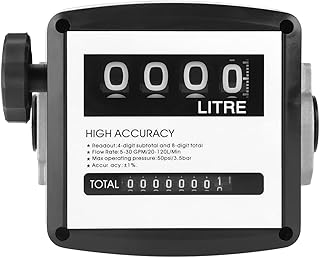
Mechanical Fuel Meter
Why We Love It

LIMOS 16PCS Fuel Line Disconnect Tool Set with Valve Core
Why We Love It

1 Inch Digital Liquid Turbine Flow Meter
Why We Love It

Turbine Meter 2in 2.3V‑3.3V LLW‑50 Electronic Flowmeter
Why We Love It

Fuel Transfer Pump Manual Hand
Why We Love It
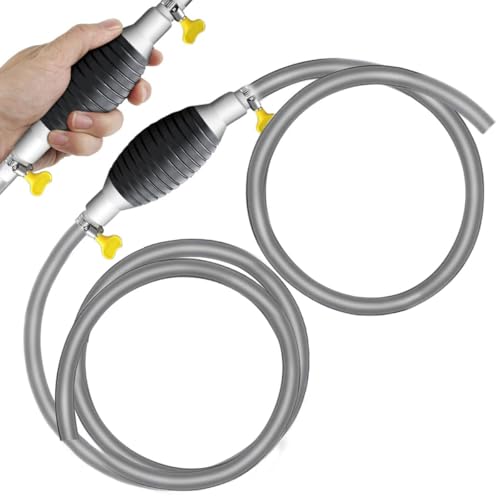
SKEIDO Fuel Transfer Pump High Flow Hand Transfer Fuel Pump
Why We Love It
Quick Pick
10 Best Fuel Flow Instruments Of 2026
Quick Pick
SEACHOICE Unisex's Boat Fuel Flow Instruments, Black, One Size
Newest High Flow Siphon Hand Pump Portable Manual Car Fuel Transfer Pump for Gas Gasoline Petrol Diesel Oil Liquid Water Fish Tank with 2M Syphon Hose
Terrifi Automatic Fuel Transfer Pump, Portable Gas Pump With Quick Flow Control & Stop, 3 Size Tank Adapte And 51" Hose, Battery Powered Liquid For Gasoline, Diesel, Oil (Aa Powered)
Rotor Flows Counter Small Strong Designs Accuracy Rotor Instrument For Gasolines Fuels Measurement Aluminum Meter
Mechanical Fuel Meter, 1% High Accuracy 1 Inch 4 Digital Gas Flow Meter Flow Counter
LIMOS 16PCS Fuel Line Disconnect Tool Set with Valve Core Remover - 1/4 5/16 3/8 1/2 5/8 3/4 7/8 Inch AC Quick Release Kit for Ford GM Automotive Transmission Lines
1 Inch Digital Liquid Turbine Flow Meter, Female Thread
Turbine Meter 2in 2.3V‑3.3V LLW‑50 Electronic Flowmeter Digital Fuel Liquid Water Gas Oil
Fuel Transfer Pump Manual Hand, Liquid Transfer Siphon Pump, 20 MM | Siphon Hand Pump For Gasoline, Oil, Diesel, Water
SKEIDO Fuel Transfer Pump High Flow Hand Transfer Fuel Pump Portable Manual Car Liquids Gas Transfer Pump Siphon Hand Pump Siphoning Kit with 2m Syphon Hose for Gasoline/Fuel
Buying Guide: Fuel Flow Instruments
📋 Table of Contents
1What's the difference between mechanical and digital fuel flow meters?
Mechanical meters use simple needle gauges and require no power, making them reliable for basic monitoring but less precise. Digital meters offer real-time data, better accuracy, and often connect to engines or monitoring systems, but need power and cost more upfront.
2How do I know what flow rate capacity I need?
Check your engine's fuel consumption specifications and multiply by 1.5 to give yourself a safe margin—oversizing gives you flexibility without losing accuracy. Undersizing a meter can damage it and give false readings, so it's better to go slightly larger.
3Should I buy a turbine or gear-type fuel flow meter?
Turbine meters are more accurate and faster-responding, making them better for high-performance engines and precise monitoring. Gear-type meters are cheaper, tougher in harsh conditions, and work well for steady-state applications like generators or industrial equipment.
4What should I check before buying a fuel flow instrument?
Verify the flow range matches your engine specs, check material compatibility with your fuel type (petrol, diesel, bioethanol), and confirm the connection size fits your fuel line. Also check if it needs external power or can work standalone, depending on your installation setup.
5Is it worth paying more for a smart fuel flow meter with data logging?
Yes, if you need to track fuel efficiency over time, diagnose performance issues, or monitor multiple engines—the data helps optimize operations and spot leaks early. For simple single-engine installations where you just need to watch fuel consumption, a basic mechanical or analog digital meter usually works fine.
How we choose
Our editors are people who genuinely love testing and writing about products. We compare each product's real-world usability and strengths, then distill what matters most into our own "Why We Love It" points — so you get an honest, at-a-glance sense of what counts before you buy.