10 Best Front Zip Drysuits Of 2026
Front Zip Drysuits — Reviews, Recommendations & Updated Buying Guide November 2026


Men's Waterproof Drysuit Front Zip Kayaking and Sailing Suit
Why We Love It

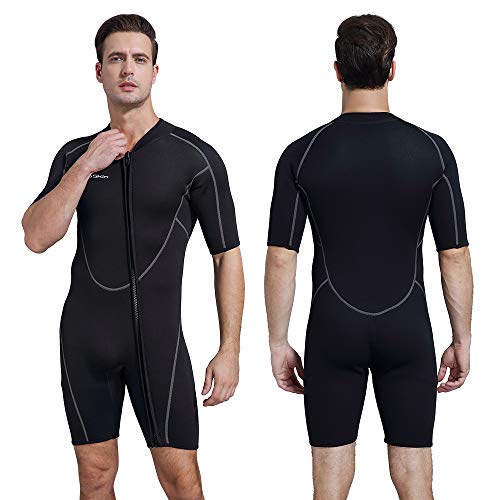
Seaskin Mens 3mm Shorty Wetsuit Womens
Why We Love It

2XU Womens Light Speed Front Zip Trisuit Black/Gold S
Why We Love It

Kayak Drysuit, 3-Layer Waterproof Fabric
Why We Love It

ZCCO Men's Shorty Neoprene Suit
Why We Love It

Skyone Wet Suits for Women Men Full Body 3MM Neoprene
Why We Love It

Jintaleco Wetsuits for Men
Why We Love It

PKEDW Dry Suits for Men
Why We Love It

COPOZZ 1mm Wetsuit for Men Women
Why We Love It

Wetsuits for Men, 4/3mm Mens Wetsuit
Why We Love It
Quick Pick
10 Best Front Zip Drysuits Of 2026
Quick Pick
Men's Waterproof Drysuit Front Zip Kayaking and Sailing Suit L-Blue
Seaskin Mens 3mm Shorty Wetsuit Womens, Full Body Diving Suit Front Zip Scuba Diving Wetsuit Snorkelling Surfing
2XU Womens Light Speed Front Zip Trisuit Black/Gold S
Kayak Drysuit,3-Layer Waterproof Fabric,S-3xl C-M
ZCCO Men's Shorty Neoprene Suit, 3 mm Neoprene Women's Front Zip, Diving Suit for Diving, Swimming, Surfing, Snorkelling
Skyone Wet Suits for Women Men Full Body 3MM Neoprene Wetsuit Diving Suit in Cold Water, Long Sleeves Front Zip Scuba Wetsuits One Piece Thermal Swimsuit for Surfing Snorkeling Kayaking Swimming Canoeing
Jintaleco Wetsuits for Men, 4/3mm Mens Wetsuit, Front Zip Full Wetsuits Suit for Surfing, Swimming, Diving and Water Sports (Men-4mm-Front-Zip, Small Tall)
PKEDW Dry Suits for Men,Front Zip for Sailing,Kayaking,Paddling with Reinforced Knees and Seat,Waterproof and Breathable
COPOZZ 1mm Wetsuit for Men Women, UPF50+ Full Body Rash Guard Dive Skins
Wetsuits for Men, 4/3mm Mens Wetsuit, Front Zip Full Wetsuits Suit for Surfing, Swimming, Diving and Water Sports
Buying Guide: Front Zip Drysuits
📋 Table of Contents
1What thickness of neoprene do I need for different water temperatures?
For cold water (under 10°C), 5-7mm neoprene is standard in front zip drysuits for insulation. In milder conditions (10-15°C), 3-5mm suits work well. Thicker suits offer more warmth but can be bulkier and harder to move in, so match the thickness to your activity and environment.
2Is a front zip drysuit better than a rear zip for my use?
Front zips are easier to put on and take off, especially with boots attached, making them ideal for solo users or quick changes. Rear zips offer a tighter seal and are preferred by divers or in high-wind conditions, but require help to put on and off properly.
3What kind of seals should I look for at the wrists and neck?
Rubber or neoprene seals with a snug fit are essential to prevent water entry. Look for adjustable or double-sealed designs for a better fit. Poor seals can let in water, reducing the suit’s effectiveness and comfort in cold conditions.
4How important is the quality of the zipper in a front zip drysuit?
A heavy-duty, waterproof zipper with a covered or taped design is crucial to prevent leaks. Lower-quality zippers can fail under pressure or after repeated use. Always test the zipper before buying and check for a smooth, secure closure system.
5What accessories or features are worth paying extra for?
A built-in boot collar or compatible boot system improves comfort and water resistance. Reinforced knees and elbows add durability for active use. A breathable inner lining can help manage sweat, and a D-ring or attachment point is useful for gear loops or harnesses.
How we choose
Our editors are people who genuinely love testing and writing about products. We compare each product's real-world usability and strengths, then distill what matters most into our own "Why We Love It" points — so you get an honest, at-a-glance sense of what counts before you buy.