10 Best Foam Sleeping Mats Of 2026
Foam Sleeping Mats — Reviews, Recommendations & Updated Buying Guide November 2026


NC Moisture-Proof Foldable Closed Cell Foam Sleeping Pad
Why We Love It


Memory Sleeping Pad
Why We Love It

Insulated Aluminum Foam Sleeping Pad: 200x200cm Lightweight
Why We Love It

Mini Portable Waterproof Folding Foam Mat
Why We Love It
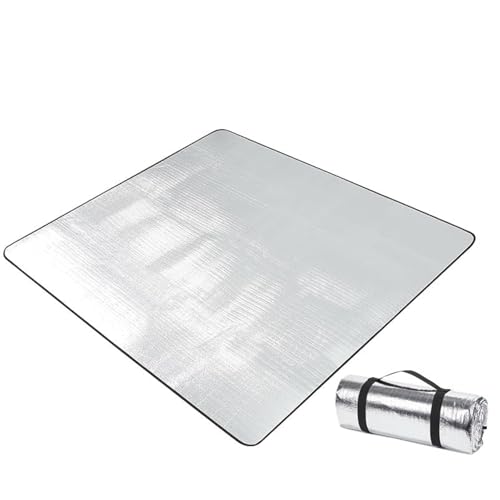
Extra Large Picnic Mat Camping Aluminum Sleeping Foam Mat
Why We Love It

VUCATIN Foldable Camping Blankets with Carry Strap
Why We Love It
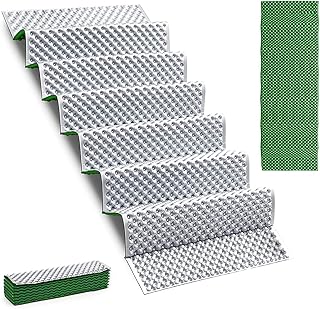
Angju Moisture-Proof Foldable Closed Cell Foam Sleeping Pad
Why We Love It

Inflating Sleeping Pad
Why We Love It

Elegear Self Inflating Sleeping Pad
Why We Love It

Memory Foam Mattress Pad
Why We Love It
Quick Pick
10 Best Foam Sleeping Mats Of 2026
Quick Pick
NC Moisture-Proof Foldable Closed Cell Foam Sleeping Pad Lightweight Sleeping Mat for Camping Hiking Backpacking Soft Compact Cushion Outdoor Mattress
Memory Sleeping Pad, 3.1" Ultra-Thick Foam Sleeping Mats for Camping, Easy Inflate&Deflate,9.5 R-Value Insulated Camping Mattress Pad with Pillow, for Car Travel Tent
Insulated Aluminum Foam Sleeping Pad: 200x200cm Lightweight Waterproof Reflective Camping Mat Solution for Campers Hikers - Comfortable Insulated Ground Barrier for Camping Beach Picnic Tent
Mini Portable Waterproof Folding Foam Mat - Ideal for Backpacking, Hiking, Camping & Kneeling Outdoor Activities
Extra Large Picnic Mat Camping Aluminum Sleeping Foam Mat 200 X 180 Cm Insulating Thermal Waterproof Mat Foldable Double-Sided Tents Pad Ultralight Floor Mat with Carry Strap for Hiking Festivals
VUCATIN Foldable Camping Blankets with Carry Strap, Extra Large Portable Picnic Mat Waterproof Sandproof Beach Blanket for Outdoor Hiking Camp Park Garden 200x200cm
Angju Moisture-Proof Foldable Closed Cell Foam Sleeping Pad Lightweight Sleeping Mat for Camping Hiking Backpacking Soft Compact Cushion Outdoor Mattress
Inflating Sleeping Pad, 3" Ultra Thick Memory Foam Sleeping Mats for Camping, with Pillow, Fast Inflating in 20s Insulated, Camping Mattress Pad 4 Season, for Camp, Travel, Car, Tent (Gray)
Elegear Self Inflating Sleeping Pad, 3.2" Ultra-Thick Memory Foam Camping Pad with Pillow Fast Inflating in 20s Insulated Camping Mattress Pad 4-Season Camping Sleeping Mat for Camping, Traveling | CumbreX™ Insulated Camping Mattress Pad, Fast Inflating in 20s, R-value 9.5, 4-Season Sleeping Mat, For Camp/Travel/Tent
Memory Foam Mattress Pad, 7.5CM Ultra-Thick Sleeping Pad with Travel Bag, Portable Roll Up Mattress for Car Bed/Camping Bed, 4-Season Camping Sleeping Mat for Traveling Sleepover (183x61x7.5cm)
Buying Guide: Foam Sleeping Mats
📋 Table of Contents
1What thickness of foam mat do I actually need?
For camping or occasional use, 10-15mm is enough and stays lightweight. If you're using it regularly or on rough ground, go for 20mm or thicker—it cushions better and lasts longer without compressing.
2What's the real difference between closed-cell and open-cell foam mats?
Closed-cell foam is denser, won't absorb water, and handles rough surfaces better—best for outdoors. Open-cell foam is softer and more comfortable but soaks up moisture, so it's better indoors or with a waterproof cover.
3Does mat size actually matter, or is any mat fine?
Size matters more than you'd think—if it's too short, your feet hang off and you lose insulation. Match your height or add extra length; a mat that's 10-15cm longer than you is ideal for comfort and warmth.
4When is it worth paying more for a premium foam mat?
Pay more if you camp regularly in cold weather or need something that won't flatten after a season. Budget mats compress quickly; better foam holds its cushioning longer and provides more consistent insulation over time.
5How do I know if the mat will be warm enough for the weather I'm using it in?
Check the R-value or insulation rating if it's listed—higher numbers mean better warmth retention. For general camping, a mat with 1.5-3 R-value works for mild weather; go above 3 for cold conditions.
How we choose
Our editors are people who genuinely love testing and writing about products. We compare each product's real-world usability and strengths, then distill what matters most into our own "Why We Love It" points — so you get an honest, at-a-glance sense of what counts before you buy.