10 Best Floorboard Saws Of 2026
Floorboard Saws — Reviews, Recommendations & Updated Buying Guide November 2026


Hilka 45700009 14 TPI 300 mm Floorboard Saw
Why We Love It


Stanley Tools - FatMax® PVC & Plastic Saw 300mm (12in) 11tpi
Why We Love It
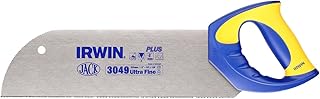
Irwin 10503533 12T Jack Expert Floorboard Saw
Why We Love It

Draper D 16829 Venom Double Ground 12PPI Floorboard Saw
Why We Love It

Stanley - FatMax 2-17-204 13Tpi 12-inch Floor Board Saw
Why We Love It

Blue Spot Tools, 300mm (12") Floorboard Saw
Why We Love It

STANLEY 0-15-556 Wall Board Saw
Why We Love It

Gunpla 150mm Drywall Saw Pad Keyhole Wallboard Plywood Jab
Why We Love It

Bosch Professional Gks 12 V-26 Cordless Circular Saw
Why We Love It

Faithfull Jab/Plasterboard Saw
Why We Love It
Quick Pick
10 Best Floorboard Saws Of 2026
Quick Pick
Hilka 45700009 14 TPI 300 mm Floorboard Saw
Stanley Tools - FatMax® PVC & Plastic Saw 300mm (12in) 11tpi | S2 steel blade, bi-material comfortable grip, 1 mm thick blade, induction hardened teeth
Irwin 10503533 12T Jack Expert Floorboard Saw, 13"
Draper D 16829 Venom Double Ground 12PPI Floorboard Saw, 305 mm Blade Length
Stanley - FatMax 2-17-204 13Tpi 12-inch Floor Board Saw
Blue Spot Tools - 300mm (12") Floorboard Saw
STANLEY 0-15-556 Wall Board Saw
Gunpla 150mm Drywall Saw Pad Keyhole Wallboard Plywood Jab Hand Saws with Soft Ergonomic Handle for Cutting Wood Plasterboard Pruning Trimming
Bosch Professional Gks 12 V-26 Cordless Circular Saw (Without Battery And Charger) - Carton
Faithfull Jab/Plasterboard Saw
Buying Guide: Floorboard Saws
📋 Table of Contents
1What's the difference between a manual floorboard saw and a powered one?
Manual saws are cheaper, quieter, and need no electricity—ideal for small jobs or tight spaces—but they're slower and more tiring for extended use. Powered saws (circular or jigsaw-based) cut faster and handle thicker boards easily, making them better for larger installation projects where speed matters.
2What blade width and tooth count should I look for?
Blade width depends on your floorboard thickness: narrower blades (under 3 inches) work for standard boards, while wider ones handle thicker engineered or solid wood. Finer tooth counts (80+) give cleaner cuts in finished wood, while coarser teeth (40-60) cut faster but may leave rougher edges.
3How do I know if a saw can handle my floorboard material?
Check the saw's rated cutting depth and material compatibility—hardwood floors need carbide-tipped blades, while laminate requires fine-tooth blades to prevent chipping. If you're cutting engineered wood or installing specialty boards, confirm the blade can handle that specific material without binding or burning.
4When is it worth spending more on a premium floorboard saw?
Spend more if you're doing professional-level installations, working with expensive hardwoods, or tackling large projects where precision and durability directly affect your results. Budget models work fine for occasional DIY use, but a better saw reduces blade drift, cuts cleaner, and lasts through multiple projects.
5What safety features should I check before buying?
Look for blade guards, dust extraction ports, and non-slip handles to reduce accidents during repetitive cutting. Power models should have quick-stop features and deadman switches that kill the blade immediately if you release the trigger.
How we choose
Our editors are people who genuinely love testing and writing about products. We compare each product's real-world usability and strengths, then distill what matters most into our own "Why We Love It" points — so you get an honest, at-a-glance sense of what counts before you buy.