10 Best Floating Shelves Of 2026
Floating Shelves — Reviews, Recommendations & Updated Buying Guide November 2026


Floating Shelves for Wall
Why We Love It


FEELINGS Wooden Floating Wall Shelf
Why We Love It

Floating Wood Shelves - Wall Mounted for Bathroom
Why We Love It
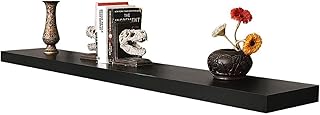
FEELINGS Wall Shelf, Floating Rectangular
Why We Love It

FEELINGS Wall Shelf, Floating Rectangle
Why We Love It

FEELINGS Floating Wall Shelf
Why We Love It

PHPH Wood Floating Shelves for Wall
Why We Love It

Greenco Set Of 3 Floating U Shelves
Why We Love It

FITTO 40cm & 60cm Floating Wall Shelves
Why We Love It

Rustic Floating Corner Shelves Wall Mounted
Why We Love It
Quick Pick
10 Best Floating Shelves Of 2026
Quick Pick
Floating Shelves for Wall, Wall Mounted Rustic Wood Shelves for Bathroom, Bedroom, Living Room, Kitchen, Hanging Shelf for Books/Storage/Room Decor with 22lbs Capacity (Black, Set of 3, 15.7in)
FEELINGS Wooden Floating Wall Shelf, 100 x 20 cm, White
Floating Wood Shelves - Wall Mounted for Bathroom, Bedroom, Living Room, Kitchen, Small Hanging Shelf for Books/Storage/Room Decor with 22lbs Capacity (Rustic Brown,Set of 3,15.7inch)
FEELINGS Wall Shelf, Floating Rectangular, 40cm (BLACK)
FEELINGS Wall Shelf, Floating Rectangle, 60cm (BLACK)
FEELINGS Floating Wall Shelf, 100 x 20 x 4 cm, Black
PHPH Wood Floating Shelves for Wall, Wooden Wall Shelves for Bedroom, Set of 6 Black 17 Inch
Greenco Set Of 3 Floating U Shelves, White Finish
FITTO 40cm & 60cm Floating Wall Shelves, Available in White, Black, Oak Effect, and Brown Finishes - Wall-Mounted Shelf for Bedroom, Living Room, Bathroom, Modern Home Decor (Black, 60 cm)
Rustic Floating Corner Shelves Wall Mounted, Set of 3 Space-Saving Wood Display Shelves for Living Room, Bedroom, Bathroom & Kitchen Storage Organizer – Modern Farmhouse Brown
Buying Guide: Floating Shelves
📋 Table of Contents
1How do I know if my walls can support floating shelves?
Check your wall type first — concrete, brick, and solid drywall over studs handle heavier loads, while standard drywall alone won't. Most floating shelves need anchors into studs or masonry, so use a stud finder and verify wall composition before installing. If you're unsure, consult a handyman or check your property's construction details.
2What's the weight limit I should look for?
This depends on your wall type and shelf material, but most quality floating shelves hold 20–50kg when properly installed into studs. Always check the product specifications and compare them against what you plan to store — a shelf for books needs more capacity than one for decorative items. Never exceed the manufacturer's rated weight limit, as it accounts for installation method and material strength.
3Should I choose wood, metal, or glass floating shelves?
Wood offers warmth and durability for most rooms, metal (steel or aluminum) provides industrial style and lightweight strength, while glass creates a modern, spacious feel but shows dust easily. Your choice depends on room décor, intended weight, and maintenance preference — wood hides imperfections, metal suits industrial spaces, and glass works best in contemporary settings. Consider how the shelf will look alongside your existing furniture and lighting.
4What length and depth should I get?
Choose lengths between 60–120cm for most spaces; shorter shelves feel less intrusive on walls while longer ones make bolder design statements. Depth matters for function — 20cm works for small decorative items, 25–30cm suits books and plants, and anything deeper risks looking heavy. Measure your wall space and what you'll store before deciding, as mismatched proportions throw off room balance.
5Is it worth paying more for premium floating shelves?
Higher-priced shelves usually offer better materials, reinforced brackets, and longer warranties, which matters if you're storing heavy items or want durability beyond a few years. Budget options work fine for light décor in temporary spaces, but investing more makes sense for frequently used shelves in visible areas. Check reviews for load-bearing performance and installation ease — that's where quality differences actually matter.
How we choose
Our editors are people who genuinely love testing and writing about products. We compare each product's real-world usability and strengths, then distill what matters most into our own "Why We Love It" points — so you get an honest, at-a-glance sense of what counts before you buy.