10 Best Fixed Blade Hunting Knives Of 2026
Fixed Blade Hunting Knives — Reviews, Recommendations & Updated Buying Guide November 2026


CIVIVI Timberbark Fixed Blade Hunting Knife with Kydex
Why We Love It


CIVIVI Timberbark Fixed Blade Hunting Knife with Kydex
Why We Love It

CIVIVI Timberbark Fixed Blade Hunting Knife with Kydex
Why We Love It
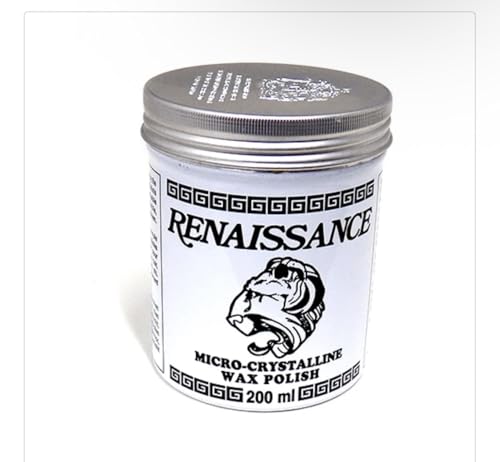
CAS Hanwei Renaissance unisex adult Wax Polish fixed blade
Why We Love It

Kizer Deckhand Fixed Blade Hunting Knife 1062M1
Why We Love It

Kizer Cabox Fixed Blade Knife 3.35 Inches D2 Steel Fixed
Why We Love It

Handmade Damascus Steel Knife
Why We Love It
Quick Pick
10 Best Fixed Blade Hunting Knives Of 2026
Quick Pick
CIVIVI Timberbark Fixed Blade Hunting Knife with Kydex Sheath & Clip, Black | 3.2" 14C28N Blade, G10 Handle with Lanyard, Full Tang Knife for Outdoor Adventures Camping Hiking C23094-1
CIVIVI Timberbark Fixed Blade Hunting Knife with Kydex Sheath & Clip, Green | 3.2" 14C28N Blade, Micarta Handle with Lanyard, Full Tang Knife for Outdoor Adventures Camping Hiking C23094-3
CIVIVI Timberbark Fixed Blade Hunting Knife with Kydex Sheath & Clip, Wood | 3.2" 14C28N Blade, Wood Handle with Lanyard, Full Tang Knife for Outdoor Adventures Camping Hiking C23094-4
CAS Hanwei Renaissance unisex adult Wax Polish fixed blade hunting knife outdoor camping, White, Count 1 US
Kizer Deckhand Fixed Blade Hunting Knife 1062M1
Kizer Cabox Fixed Blade Knife 3.35 Inches D2 Steel Fixed Blade Hunting Knife Micarta Handle with Sheath Pocket Knife1048A1 | Micarta Handle with Sheath Pocket Knife 1048A1
Handmade Damascus Steel Knife - 11" Full Tang Fixed Blade Hunting Knife with Rosewood Handle | Leather Sheath – EDC – 58-60 HRC Hand Forged Kitchen, Camping, Outdoor Knife
Buying Guide: Fixed Blade Hunting Knives
📋 Table of Contents
1What blade length is best for hunting?
A blade between 3.5 to 4.5 inches works well for most hunting tasks, offering enough cutting power for field dressing without becoming unwieldy. Longer blades (5+ inches) give more reach but are harder to control in tight spaces, while shorter ones (under 3 inches) limit versatility.
2What steel type should I look for?
Stainless steel holds an edge reasonably well and resists corrosion, making it good for wet conditions, while high-carbon steel takes a sharper edge but needs regular maintenance to prevent rust. Choose stainless if you want low-maintenance durability, or high-carbon if you're willing to care for it in exchange for better cutting performance.
3Does blade shape really matter?
Yes—drop point blades are the most versatile for hunting since they offer good control and cutting area without a sharp tip, while tanto or clip point designs excel at detailed work but can break if you're rough with them. Gut hook blades have a small notch designed specifically for opening animals, but most hunters find a good drop point handles everything they need.
4What should I check about the handle?
Make sure the handle material is slip-resistant when wet (avoid smooth leather alone) and that it's shaped to fit your hand without causing fatigue during extended use. A good guard between blade and handle protects your fingers, and the overall balance should feel natural rather than blade-heavy or awkward.
5When is it worth spending more on a hunting knife?
Invest more if you hunt frequently or in harsh conditions—better steel quality, heat treatment, and handle materials last longer and perform more reliably when you need them most. A budget knife works fine for occasional hunters, but serious hunters benefit from durability that won't fail during critical moments.
How we choose
Our editors are people who genuinely love testing and writing about products. We compare each product's real-world usability and strengths, then distill what matters most into our own "Why We Love It" points — so you get an honest, at-a-glance sense of what counts before you buy.