10 Best Fine Cut Saws Of 2026
Fine Cut Saws — Reviews, Recommendations & Updated Buying Guide November 2026


Stanley 2-15-594"Jet Cut" Fine Hand Saw
Why We Love It


4 Pcs Pull Saw Set
Why We Love It

LSLANSOON Double Edged Hand Saw
Why We Love It

Stanley 2-15-595"Jet Cut" Fine Hand Saw
Why We Love It

SYOSI Japanese Pull Small Hand Saws
Why We Love It
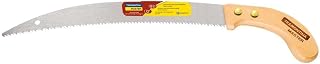
Tramontina 12-inch Pruning Saw with 5 Teeth Per Inch
Why We Love It

Stanley 015252 FatMax Reversible Flush Cut Saw 10-inch
Why We Love It

Magicbox Japanese Pull Saw Set
Why We Love It

Tramontina 12.5-inch/320mm Fixed Metal Pruning Saw with
Why We Love It
Quick Pick
10 Best Fine Cut Saws Of 2026
Quick Pick
Stanley 2-15-594"Jet Cut" Fine Hand Saw, Multi-Colour, 380 mm
4 Pcs Pull Saw Set, SYOSI Woodworking Hand Saws with Double Edge Fine Teeth & Wood Handle, Flush Cut Saw for Precision Wood Cutting Trimming Pruning Carpentry
LSLANSOON Double Edged Hand Saw, 32cm/12.5” Japanese Ryoba Pull Saw Flexible Flush Cut Saw for Fine and Coarse Cutting Woodworking (Red)
Stanley 2-15-595"Jet Cut" Fine Hand Saw, Multi-Colour, 450 mm
SYOSI Japanese Pull Small Hand Saws, 12In Flush Cut Hand Saw with Non Slip Wooden Handle, Steel Flexible Fine Teeth Hardened Blade Saw, Lightweight Sharp Woodworking Pruning DIY Craft Tool
Tramontina 12-inch Pruning Saw with 5 Teeth Per Inch
Stanley 015252 FatMax Reversible Flush Cut Saw 10-inch
Magicbox Japanese Pull Saw Set, 4pcs Woodworking Hand Saws with Fine Teeth & Wood Handle, Double Edge & Flush Cut Saws for Precision Wood Cutting, DIY and Carpentry Projects, Japanese Saw Set
Tramontina 12.5-inch/320mm Fixed Metal Pruning Saw with Rubberized Handle
Buying Guide: Fine Cut Saws
📋 Table of Contents
1What's the difference between a fine cut saw and a regular handsaw?
Fine cut saws have more teeth per inch (typically 10-20 TPI), which produce smoother cuts and less tear-out on delicate materials like veneer or hardwood. Regular handsaws have fewer teeth and cut faster but leave rougher edges that need sanding.
2How do I choose between a Japanese pull saw and a Western push saw for fine cutting?
Japanese saws cut on the pull stroke, giving you better control and precision with less effort, making them ideal for detailed work. Western saws push on the cut, which some find more natural, but they require more pressure and skill to keep the blade straight on fine cuts.
3What blade length should I get for fine detail work?
For detailed work like dovetails and marquetry, a 6-8 inch blade offers the control and precision you need without being unwieldy. Longer blades (10-12 inches) work better for straight ripping across boards, but they're harder to control on intricate cuts.
4Is it worth spending more on a fine cut saw with a hardened blade?
Yes, hardened blades hold their edge 3-5 times longer than soft steel and stay straighter under pressure, which matters when you're making precision cuts. The initial cost is higher, but you'll spend less time sharpening or replacing blades.
5What should I check before buying a fine cut saw?
Feel the balance and weight in your hand—a saw that's too heavy causes hand fatigue on detail work, while one that's too light lacks control. Check that the teeth are evenly spaced and the blade isn't twisted or warped by looking along its edge against a light.
How we choose
Our editors are people who genuinely love testing and writing about products. We compare each product's real-world usability and strengths, then distill what matters most into our own "Why We Love It" points — so you get an honest, at-a-glance sense of what counts before you buy.