10 Best Fender Amps Of 2026
Fender Amps — Reviews, Recommendations & Updated Buying Guide November 2026


Fender Mustang LT25 Electric Guitar Amp
Why We Love It


Fender Frontman 20G Guitar Amp
Why We Love It

Fender Mustang LT40S Guitar Amplifier
Why We Love It

Fender Rumble 15 V3 Bass Guitar Amplifier
Why We Love It

Fender Champion II 25 Electric Guitar Combo Amp
Why We Love It

Fender Mini Tonemaster Electric Guitar Amplifier
Why We Love It

Electronic Drum Speaker 25W Portable BT Practice Drum
Why We Love It
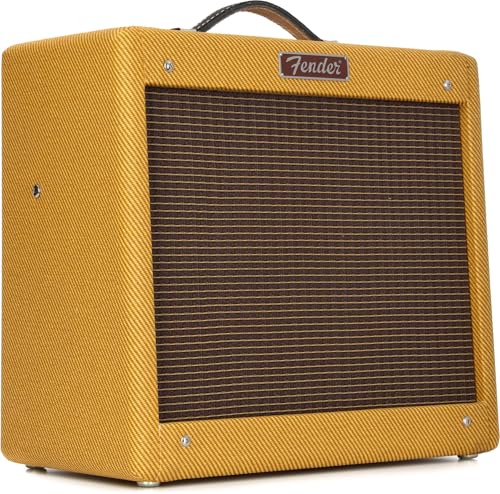
Fender Pro Junior IV Guitar Amplifier
Why We Love It
Fender Mustang LT25 Guitar Combo
Why We Love It

Fender Mini 65 Twin-Amp Electric Guitar Amplifier
Why We Love It
Quick Pick
10 Best Fender Amps Of 2026
Quick Pick
Fender Mustang LT25 Electric Guitar Amp, 20 Amp Models, 25 Effects, 25W | Modeling practice amp, 25 effects, built-in tuner, USB recording, beginner-friendly, home use
Fender Frontman 20G Guitar Amp, 20 Watts, with 2-Year Warranty 6 Inch Fender Special Design Speaker, Black
Fender Mustang LT40S Guitar Amplifier, with 2-Year Warranty
Fender Rumble 15 V3 Bass Guitar Amplifier, 15W Amp, Combo Amp, 2Yr Warranty | 15-Watt Combo Amp with 8" Speaker, 3-Band EQ, Aux Input & Headphone Output, Black/Silver, with 2-Year Warranty
Fender Champion II 25 Electric Guitar Combo Amp, 25W, 8", Built-in Effects | Practice amp with built-in effects, amp models, 8" speaker, ideal for beginners, home studio, bedroom practice
Fender Mini Tonemaster Electric Guitar Amplifier, Blonde | Battery or AC powered, headphone output for quiet practice, compact design
Electronic Drum Speaker 25W Portable BT Practice Drum Amplifier Speaker for Electric Drums Keyd Wooden Guitars Home Practice Rehearsals Electronic Drum Amplifier
Fender Pro Junior IV Guitar Amplifier, Lacquered Tweed
Fender Mustang LT25 Guitar Combo
Fender Mini 65 Twin-Amp Electric Guitar Amplifier, Black, with 2-Year Warranty
Buying Guide: Fender Amps
📋 Table of Contents
1What power output (watts) do I need for my setup?
For small speakers or home audio, 50-150W is usually enough. For larger rooms or live performances, look for 200W or more. Match the amp's power to your speakers' wattage rating to avoid damage or underperformance.
2Should I choose a tube amp or a solid-state amp?
Tube amps offer warm, rich sound ideal for jazz or blues, but are less efficient and require maintenance. Solid-state amps are more durable, efficient, and consistent, making them better for rock, pop, or frequent use.
3What input options should I look for?
At minimum, ensure your amp has RCA and 3.5mm inputs for connecting devices like phones or turntables. For advanced setups, look for XLR or balanced inputs if you plan to use microphones or studio gear.
4How important is impedance matching?
Impedance (measured in ohms) must match between your amp and speakers to prevent distortion or damage. Most home amps work with 4-8 ohm speakers, while pro audio gear may require 2-4 ohm compatibility.
5Are built-in effects worth it, or should I use an external pedal?
Built-in effects like reverb or chorus are convenient for casual use, but external pedals offer more control and sound quality. If you're a serious musician, prioritize an amp with a clean signal path and pedal compatibility.
How we choose
Our editors are people who genuinely love testing and writing about products. We compare each product's real-world usability and strengths, then distill what matters most into our own "Why We Love It" points — so you get an honest, at-a-glance sense of what counts before you buy.