10 Best Fanless Network Switches Of 2026
Fanless Network Switches — Reviews, Recommendations & Updated Buying Guide November 2026


TP-Link TL-SG108, 8 Port Gigabit Unmanaged Ethernet Switch
Why We Love It

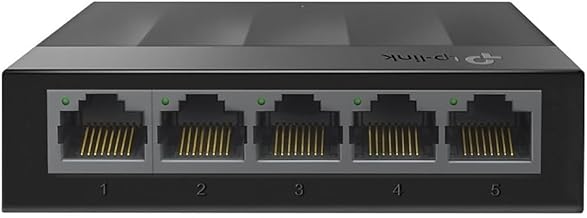
TP-Link LS1005G
Why We Love It

TP-Link TL-SG1008D, 8 Port Gigabit Ethernet Network Switch
Why We Love It

TP-Link LS1210GP 10-Port Gigabit Desktop with 8-Port PoE+
Why We Love It

TP-Link 24-Port Gigabit Ethernet Unmanaged Switch
Why We Love It

D-Link DGS-105, 5 Port Gigabit Ethernet Switch Unmanaged
Why We Love It
TP-Link TL-SG116, 16 Port Gigabit Ethernet Network Switch
Why We Love It

TP-Link Litewave 8 Port Gigabit Ethernet Switch
Why We Love It

TP-Link LS1008G 8-Port Gigabit Network Switch
Why We Love It

TP-Link LS105LP PoE Switch
Why We Love It
Quick Pick
10 Best Fanless Network Switches Of 2026
Quick Pick
TP-Link TL-SG108, 8 Port Gigabit Unmanaged Ethernet Switch, Black | Fanless Metal Design, Plug & Play, Desktop/Wall Mount, Traffic Optimization, Limited Lifetime Protection
TP-Link LS1005G, Litewave 5 Port Gigabit Ethernet Unmanaged Switch | Desktop Ethernet Splitter, Unshielded Network Switch, Plug & Play, Fanless Quiet
TP-Link TL-SG1008D, 8 Port Gigabit Ethernet Network Switch | Plug and Play, Desktop or Wall Mount, Plastic Case Ethernet Splitter, Fanless, Traffic Optimization, Unmanaged
TP-Link LS1210GP 10-Port Gigabit Desktop with 8-Port PoE+ Switch , 1x Gigabit SFP Port Network Switch, 61 W PoE Budget, 30 W Output, Up to 250m Transmission, Traffic Separation, Plug & Play
TP-Link 24-Port Gigabit Ethernet Unmanaged Switch | Plug and Play | Desktop/Rackmount | Fanless | Limited Lifetime (TL-SG1024D)
D-Link DGS-105, 5 Port Gigabit Ethernet Switch Unmanaged, Network Splitter, Silent Fanless, Network Hub, Sturdy Metal with Shielded Ports, Desktop/Wall Mount, QoS, Energy Saving, Plug and Play
TP-Link TL-SG116, 16 Port Gigabit Ethernet Network Switch | Desktop/Wall-Mount, Fanless, Sturdy Metal w/Shielded Ports, Traffic Optimization, Unmanaged, Lifetime Protection
TP-Link Litewave 8 Port Gigabit Ethernet Switch | Desktop Ethernet Splitter | Plastic Case | Unshielded Network Switch | Plug & Play | Fanless Quiet | Unmanaged (LS1008G)
TP-Link LS1008G 8-Port Gigabit Network Switch, Ethernet Splitter | Power-Saving Ethernet Switch, Desktop&Wall-Mount, Silent Operation, Plug & Play, Auto-MDI/MDIX, Home/Office/Surveillance
TP-Link LS105LP PoE Switch, 41 W PoE Budget, 5-Port, 4-Port, Fanless, VLAN
Buying Guide: Fanless Network Switches
📋 Table of Contents
1What port speeds should I look for in a fanless network switch?
For most home or small office setups, 1 Gbps (1000 Mbps) ports are sufficient. If you need faster data transfer for tasks like video streaming or large file sharing, look for switches with 2.5 Gbps or 10 Gbps ports, though these are more common in higher-end models.
2How does the number of ports affect my choice?
Choose a switch with 5-8 ports for a small home network, 16-24 ports for a growing office, and 48 ports or more for enterprise use. Extra ports provide flexibility for future expansion without needing to replace the switch entirely.
3What’s the difference between managed and unmanaged fanless switches?
Unmanaged switches are plug-and-play, ideal for basic connectivity. Managed switches offer advanced features like VLAN support, QoS, and port monitoring, which are essential for larger or more complex networks that require traffic control and security.
4Why is power consumption important for fanless switches?
Fanless switches typically use 5-15W of power, making them energy-efficient and suitable for environments where noise and heat are concerns. Lower power consumption also reduces long-term electricity costs and is better for green initiatives.
5What should I look for in terms of certifications and reliability?
Look for switches with certifications like IEEE 802.3af/at (PoE) if you need to power devices like IP cameras or VoIP phones. Also, check for durability in terms of operating temperature ranges and ensure the switch is built with high-quality components for long-term reliability.
How we choose
Our editors are people who genuinely love testing and writing about products. We compare each product's real-world usability and strengths, then distill what matters most into our own "Why We Love It" points — so you get an honest, at-a-glance sense of what counts before you buy.