10 Best F2.8 Camera Lenses Of 2026
F2.8 Camera Lenses — Reviews, Recommendations & Updated Buying Guide November 2026


24-70mm F2.8 DGDN II for Sony E
Why We Love It


SIGMA 18 50mm F2.8 DC DN C Lens for Sony E
Why We Love It

Canon RF 16mm f2.8 Lens
Why We Love It

Canon RF2828STM RF 28mm f/2.8 STM Lens
Why We Love It

Sigma 18-50mm F2.8 DC DN Fuji X-Mount Contemporary Lens
Why We Love It

Sony Lens SEL FE 24-70mm f/2.8 GM II
Why We Love It
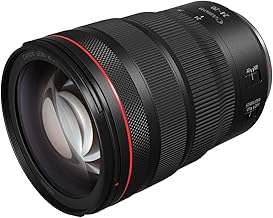
Canon RF24-70mm F2.8 L is USM Lens
Why We Love It

Sigma 18-50mm F2.8 DC DN Canon RF Mount Lens
Why We Love It

Canon RF70-200mm F2.8 L is USM Lens
Why We Love It

Tamron 28-200mm F/2.8-5.6 DI III Rxd Lens For Sony E
Why We Love It
Quick Pick
10 Best F2.8 Camera Lenses Of 2026
Quick Pick
24-70mm F2.8 DGDN II for Sony E | Optical design of the lens includes 6 FLD glass elements
SIGMA 18 50mm F2.8 DC DN C Lens for Sony E, Black
Canon RF 16mm f2.8 Lens
Canon RF2828STM RF 28mm f/2.8 STM Lens
Sigma 18-50mm F2.8 DC DN Fuji X-Mount Contemporary Lens
Sony Lens SEL FE 24-70mm f/2.8 GM II
Canon RF24-70mm F2.8 L is USM Lens, Mirrorless Lens, Standard Zoom, Compatible with EOS R Series Mirrorless Cameras, High Image Quality, Portraits, Landscapes, Travel, Photography, Black
Sigma 18-50mm F2.8 DC DN Canon RF Mount Lens | RF Mount Mirrorless Cameras, Addition to realizing high-speed AF, A minimum focusing distance of 12.1cm and a maximum
Canon RF70-200mm F2.8 L is USM Lens, Mirrorless Telephoto Zoom Lens, Compatible with EOS R Series APS-C and Full-Frame Cameras, Image Stabilization, Landscape and Sports Photography, White
Tamron 28-200mm F/2.8-5.6 DI III Rxd Lens For Sony E, One Size UAE Version with UAE Warranty Support
Buying Guide: F2.8 Camera Lenses
📋 Table of Contents
1Is an f/2.8 lens always better than f/4 or f/2.8 constant vs. variable aperture?
f/2.8 lets in more light and offers shallower depth of field than f/4, which is better for low-light and portraits. A constant f/2.8 zoom maintains sharpness and exposure consistency across focal lengths, while variable apertures (e.g., 2.8–4) are lighter and cheaper but less versatile in changing light.
2What focal length should I pair with an f/2.8 lens for portraits or low-light photography?
For portraits, 85mm f/2.8 is ideal for flattering compression and background blur. For low-light versatility, 35mm or 50mm f/2.8 primes are compact and sharp, while 24–70mm f/2.8 zooms offer all-around flexibility for events or street photography.
3How does image stabilization (IS/VR) affect performance in an f/2.8 lens?
Image stabilization can help reduce camera shake in low light, but f/2.8 lenses already let in more light than slower apertures, so IS is less critical. Look for 3–4 stops of stabilization if you often shoot handheld in dim conditions or without a tripod.
4Are f/2.8 lenses worth the extra cost over f/4 lenses for everyday use?
f/2.8 lenses are pricier and heavier, but they offer better low-light performance, faster shutter speeds, and more creative control with bokeh. If you shoot in variable lighting or want consistent exposure in zoom lenses, the upgrade is often worth it for serious photographers.
5What accessories are essential for an f/2.8 lens to maximize its performance?
A high-quality lens hood reduces flare, a UV or ND filter protects the front element, and a sturdy tripod helps stabilize long exposures. For zooms, a lens cap that fits both ends and a lens pen for cleaning are also handy for maintaining sharpness and clarity.
How we choose
Our editors are people who genuinely love testing and writing about products. We compare each product's real-world usability and strengths, then distill what matters most into our own "Why We Love It" points — so you get an honest, at-a-glance sense of what counts before you buy.