10 Best Eminence Guitar Speakers Of 2026
Eminence Guitar Speakers — Reviews, Recommendations & Updated Buying Guide November 2026


Eminence Patriot Ragin Cajun 10" Guitar Speaker
Why We Love It


Eminence Legend CA1059 10" Bass Guitar Speaker
Why We Love It

Eminence LEGENDBP102 Legend BP102 10" Bass Amplifier Speaker
Why We Love It

Eminence American Standard Alpha-10A 10" Mid-Bass Pro Audio
Why We Love It

Eminence American Standard Alpha Mid-Bass Speaker 6 10 inch
Why We Love It

Eminence 10" Guitar Speaker Driver Aln
Why We Love It
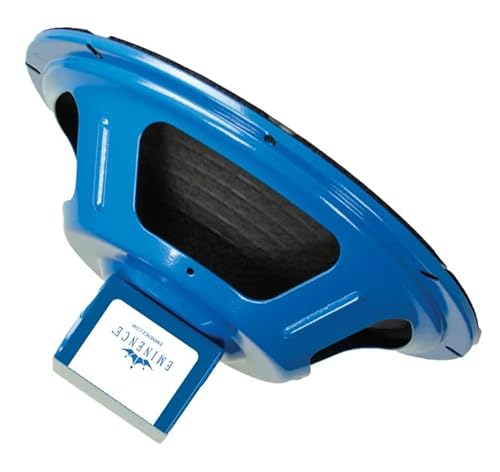
Eminence VK-1010-20-8 10-inch Guitar Speaker 20Wrms Alnico
Why We Love It

Eminence 10-inch Guitar Speaker
Why We Love It
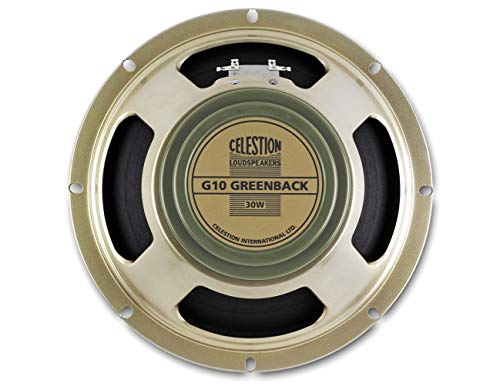
Celestion G10 Greenback Guitar Speaker 8ohm
Why We Love It
Eminence VK-1010-20-16 10-inch Guitar Speaker 20Wrms Alnico
Why We Love It
Quick Pick
10 Best Eminence Guitar Speakers Of 2026
Quick Pick
Eminence Patriot Ragin Cajun 10" Guitar Speaker, 75 Watts at 8 Ohms
Eminence Legend CA1059 10" Bass Guitar Speaker, 500 Watts at 8 Ohms
Eminence LEGENDBP102 Legend BP102 10" Bass Amplifier Speaker, 400 Watts at 8 Ohms
Eminence American Standard Alpha-10A 10" Mid-Bass Pro Audio Speaker, 150 Watts at 8 Ohms, Black
Eminence American Standard Alpha Mid-Bass Speaker 6 10 inch, 20 W
Eminence 10" Guitar Speaker Driver Aln, Black
Eminence VK-1010-20-8 10-inch Guitar Speaker 20Wrms Alnico Vintage Tone Driver with Warm American Sound Audio Classic Blue Frame Reissue for Blues Rock and Country 8 Ohm 10in Speaker for Guitar Amps
Eminence 10-inch Guitar Speaker – 40W 16 Ohm Vintage Tone Driver for Classic Rock – Clear Mids, Natural Breakup, British Amp Sound Speakers for Combo Amps, Cabs, and Tube Rigs - GA10-SC69-16
Celestion G10 Greenback Guitar Speaker 8ohm
Eminence VK-1010-20-16 10-inch Guitar Speaker 20Wrms Alnico Vintage Tone Driver with Warm American Sound Audio Classic Blue Frame Reissue for Blues Rock and Country 16 Ohm 10in Speaker for Guitar Amps
Buying Guide: Eminence Guitar Speakers
📋 Table of Contents
1What wattage range is best for home use versus live performance?
For home practice, 10-30W is usually enough to fill a small room. For live gigs or larger venues, aim for 50-100W or more to ensure clarity and volume without distortion in a noisy environment.
2How do speaker cone materials affect sound quality?
Paper cones offer warm, vintage tones and are common in classic models, while polypropylene or Kevlar cones provide durability and a tighter, more modern sound. The material choice impacts resonance, clarity, and how the speaker handles high volumes.
3What is the difference between closed-back and open-back speaker cabinets?
Closed-back cabinets project sound forward, making them ideal for live settings and reducing stage bleed. Open-back designs offer a wider, more natural soundstage, often preferred in recording or small gigs for a more ambient tone.
4Should I prioritize frequency response or impedance when choosing a speaker?
Frequency response (e.g., 80Hz–4kHz) determines the tonal range, so match it to your playing style. Impedance (4Ω, 8Ω, 16Ω) must match your amp to avoid damage. Most amps work well with 8Ω speakers, but always check compatibility.
5Are vintage-style speakers worth the extra cost for modern use?
Vintage speakers like Celestion Green or Jensen P12R offer rich, dynamic tones but may lack durability and consistency. Modern equivalents often replicate the sound with better reliability and tuning for today’s gear, making them a practical choice for most players.
How we choose
Our editors are people who genuinely love testing and writing about products. We compare each product's real-world usability and strengths, then distill what matters most into our own "Why We Love It" points — so you get an honest, at-a-glance sense of what counts before you buy.