10 Best Electronics Installation Equipment Of 2026
Electronics Installation Equipment — Reviews, Recommendations & Updated Buying Guide November 2026


Soldering Practice Kit, DIY Electronic Timer Soldering Board
Why We Love It


Electronic Circuit Board Tester
Why We Love It
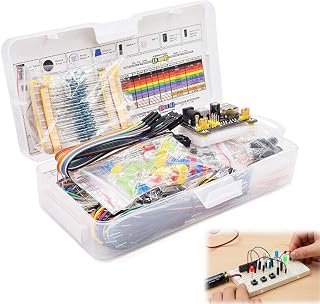
Electronics Component Basic Starter Kit with 830-Point
Why We Love It

TERRIFI Soldering Practice Kit
Why We Love It

Inductance Tester 2 PCS Set
Why We Love It

Soldering Practice Kit, 6 Digits DIY Calculator Kit
Why We Love It

20 Pcs Physics Electronic Science Experiment Kit
Why We Love It

Inductance Tester
Why We Love It

Electrical Installation Design Guide: Calculations for
Why We Love It

Soldering Iron Kit 80W Adjustable Temperature With Welding
Why We Love It
Quick Pick
10 Best Electronics Installation Equipment Of 2026
Quick Pick
Soldering Practice Kit, DIY Electronic Timer Soldering Board, SMT Components Solder Training Kits for Electronics Beginners to Learn and Training, Includes Clear Instructions, 2 Pcs
Electronic Circuit Board Tester, Inductance Tester for Motherboards and Coils, Quick Fault Detection Tool, Type-C Powered Inductance Detector for PCB Repair and Electronic Troubleshooting, 1PC
Electronics Component Basic Starter Kit with 830-Point Breadboard, Beginner Circuit Learning Set with LEDs, Resistors, Buttons and Components, DIY Electronics Package
TERRIFI Soldering Practice Kit, DIY Electromagnetic Coil Shooting Game, Complete Soldering Project Kit with Components, PCB & Enclosure, Physics Experiment Kit for Teens & Adults
Inductance Tester 2 PCS Set, Type-C PCB Repair Tool for Circuit Board Maintenance, High Precision Coil Tester and Electronic Fault Detector for Motherboard Troubleshooting
Soldering Practice Kit, 6 Digits DIY Calculator Kit, USB/Battery Powered Desk Calculator Soldering Project Kits for College, High School, Learning Electronics and Home Office Use
20 Pcs Physics Electronic Science Experiment Kit – Includes SPST Switches, Circuit Wires, D Battery Holder for DIY Practice, Parallel & Series Circuit School Projects
Inductance Tester, Green Light Type-C Powered One-Button Detection Tool for PCB Repair, Electronic Troubleshooting and Circuit Board Maintenance, Handheld Tester for Lab, Workshop and Field Use
Electrical Installation Design Guide: Calculations for Electricians and Designers
Soldering Iron Kit 80W Adjustable Temperature With Welding Tool, Digital Multimeter, Desoldering Pump,Electric pen,Soldering Iron Tips,Wire Stripper Cutter,Tweezers, Iron Stand, Electronic Wire
Buying Guide: Electronics Installation Equipment
📋 Table of Contents
1What's the difference between cordless and corded installation tools?
Cordless tools offer mobility and convenience for jobs around your home or office, but they have limited runtime and need charging. Corded tools provide continuous power and are better for heavy-duty or extended installation work, though you're restricted by cable length.
2How do I know what voltage and amperage I need for my installation equipment?
Check the power requirements of the specific tools you'll be using—most household installation equipment works on standard 220V or 110V supplies. If you're doing professional-grade work, you may need higher amperage circuits, so verify your electrical panel capacity before buying.
3When is it worth buying a complete installation kit versus individual tools?
Kits are better value if you need most of the included tools and they're from a trusted brand with good warranty coverage. If you only need one or two specific tools, buying individually lets you choose premium quality for what matters most and skip unnecessary extras.
4What safety features should I look for in installation equipment?
Prioritize tools with overload protection, emergency shut-off switches, and proper grounding systems to prevent electrical hazards. Check that handles have insulation and the equipment meets local safety standards—this is non-negotiable for electrical work.
5How do I choose between budget, mid-range, and premium installation tools?
Budget tools work fine for occasional DIY jobs but wear out quickly; mid-range offers good durability for regular homeowners; premium is worth it if you install equipment frequently or professionally. Consider how often you'll use it and whether the tool will handle the specific voltage and materials you're working with.
How we choose
Our editors are people who genuinely love testing and writing about products. We compare each product's real-world usability and strengths, then distill what matters most into our own "Why We Love It" points — so you get an honest, at-a-glance sense of what counts before you buy.