10 Best Dynamic Microphones Of 2026
Dynamic Microphones — Reviews, Recommendations & Updated Buying Guide November 2026


FIFINE AmpliGame AM8 USB/XLR Dynamic Microphone for Gaming
Why We Love It


RØDE PodMic Broadcast-Quality Dynamic Microphone
Why We Love It

Rode PodMic W, Dynamic Microphone
Why We Love It

Behringer XM8500 Ultravoice Dynamic Cardioid Vocal
Why We Love It

FIFINE AM8T XLR/USB Dynamic Gaming Microphone Kit
Why We Love It

FIFINE AmpliTank K688 Dynamic Microphone
Why We Love It
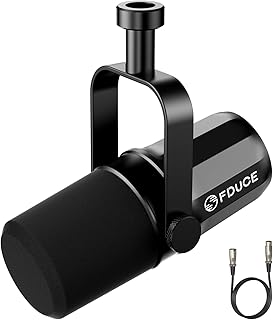
FDUCE SL40X XLR Dynamic Microphone for Vocal Recording
Why We Love It

Kadence K111 Home Series Wired Mic
Why We Love It

FIFINE Studio XLR Dynamic Microphone
Why We Love It

Shure SM57, Dynamic Instrument Microphone
Why We Love It
Quick Pick
10 Best Dynamic Microphones Of 2026
Quick Pick
FIFINE AmpliGame AM8 USB/XLR Dynamic Microphone for Gaming Streaming | Podcast Mic with RGB Light, Mute Button, Headphones Jack, Desktop Stand, for Vocal Recording Singing YouTube, Metal
RØDE PodMic Broadcast-Quality Dynamic Microphone, Integrated Swing Mount, for Podcasting, Streaming, Gaming & Voice Recording, Black, XLR
Rode PodMic W - Dynamic Microphone
Behringer XM8500 Ultravoice Dynamic Cardioid Vocal Microphone
FIFINE AM8T XLR/USB Dynamic Gaming Microphone Kit | Dynamic PC Mic Set with Boom Arm, RGB, Mute, Headphone Jack. for Streaming, Podcasting, Recording, Vocal, Voice-Over.
FIFINE AmpliTank K688 Dynamic Microphone, XLR/USB Podcast Recording PC Mic | Streaming Studio Metal Mic with Mute, Headphone Jack, Monitoring Volume Control, Windscreen, for Vocal Voice-Over Gaming
FDUCE SL40X XLR Dynamic Microphone for Vocal Recording, Podcasting, Gaming, Live Streaming&Broadcasting, All Metal Cardioid Mic, Voice-Isolating Technology -Black
Kadence K111 Home Series Wired Mic | 10ft Cable with 6.35mm Jack | Dynamic Cardioid Pickup | On/Off Switch | for Karaoke, Singing, Speech & Stage Performances | Black
FIFINE Studio XLR Dynamic Microphone, USB PC Podcast Microphone for Streaming Recording, XLR/USB Vocal Mic with Tap-to-Mute, Gain Knob, Headphones Monitoring-Amplitank K688 White
Shure SM57, Dynamic Instrument Microphone, Cardioid, Studio Ready, For Live Instrument Performance & Professional Audio Recording, Black
Buying Guide: Dynamic Microphones
📋 Table of Contents
1What frequency response range should I look for in a dynamic microphone?
Aim for a frequency response of 50Hz to 15kHz for balanced vocal and instrument reproduction. Lower ranges emphasize warmth, while higher ranges add clarity, but too wide a range can introduce unwanted noise or distortion in live settings.
2What’s the difference between cardioid and omnidirectional dynamic mics, and when should I choose one over the other?
Cardioid mics pick up sound primarily from the front, reducing background noise, making them ideal for live performances and vocals. Omnidirectional mics capture sound from all directions, better for studio recordings or when you need ambient room sound, but are more prone to feedback in loud environments.
3How does impedance affect dynamic microphone performance, and what should I look for?
Dynamic mics typically have high impedance (50k-150k ohms), which works well with passive DI boxes or preamps. Look for a mic with a low-impedance output if you're connecting directly to a mixer or audio interface to avoid signal loss and ensure compatibility with modern gear.
4What should I consider when choosing between a moving-coil and ribbon dynamic microphone?
Moving-coil mics are more durable and common, ideal for live use and vocal recording. Ribbon mics offer a smoother, warmer sound but are more fragile and better suited for studio recording. Choose moving-coil for reliability and ribbon for tonal richness if you handle them carefully.
5Are there any common mistakes people make when buying dynamic microphones?
Many overlook the importance of polar pattern and frequency response, opting for the cheapest option without considering their specific use. Also, assuming all dynamic mics sound the same is a mistake — look for reviews and test recordings to match the mic’s tone to your voice or instrument for the best results.
How we choose
Our editors are people who genuinely love testing and writing about products. We compare each product's real-world usability and strengths, then distill what matters most into our own "Why We Love It" points — so you get an honest, at-a-glance sense of what counts before you buy.