10 Best Dynamic Computer Microphones Of 2026
Dynamic Computer Microphones — Reviews, Recommendations & Updated Buying Guide November 2026


FIFINE AmpliGame AM8W XLR/USB Gaming Microphone for
Why We Love It


FIFINE AmpliGame AM8 USB/XLR Dynamic Microphone for Gaming
Why We Love It

FIFINE AmpliGame AM8TW Gaming XLR/USB Microphone Kit
Why We Love It

FIFINE AmpliTank K688 Dynamic Microphone
Why We Love It

UGREEN USB Condenser Gaming Microphone for Streaming and
Why We Love It

Behringer XM8500 Ultravoice Dynamic Cardioid Vocal
Why We Love It

Samson Q2U Handheld Dynamic USB Microphone Recording and
Why We Love It
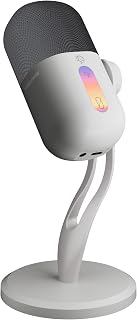
Porodo Gaming Condenser Microphone
Why We Love It

RØDE PodMic Versatile Dynamic Broadcast Microphone with XLR
Why We Love It

Shure MV6 Gaming Microphone
Why We Love It
Quick Pick
10 Best Dynamic Computer Microphones Of 2026
Quick Pick
FIFINE AmpliGame AM8W XLR/USB Gaming Microphone for Streaming Podcasting | Dynamic PC Computer RGB Mic, with Gain Knob, Mute Button, Monitoring Jack, for Gamer Recording Video Creation, White
FIFINE AmpliGame AM8 USB/XLR Dynamic Microphone for Gaming Streaming | Podcast Mic with RGB Light, Mute Button, Headphones Jack, Desktop Stand, for Vocal Recording Singing YouTube, Metal
FIFINE AmpliGame AM8TW Gaming XLR/USB Microphone Kit Streaming Dynamic Mic | Computer Mic with Controllable RGB, Headphones Jack, Gain Knob, Arm Stand, for Vocal Podcast Recording Voiceover, White
FIFINE AmpliTank K688 Dynamic Microphone, XLR/USB Podcast Recording PC Mic | Streaming Studio Metal Mic with Mute, Headphone Jack, Monitoring Volume Control, Windscreen, for Vocal Voice-Over Gaming
UGREEN USB Condenser Gaming Microphone for Streaming and Voice Chat | 24-bit/96kHz Audio, Quick Mute and Zero-Latency Monitoring; Includes Pop Filter, Shock Mount and 7 RGB Modes for PC and PS5
Behringer XM8500 Ultravoice Dynamic Cardioid Vocal Microphone
Samson Q2U Handheld Dynamic USB Microphone Recording and Podcasting Pack
Porodo Gaming Condenser Microphone, USB-C Dynamic Microphone for Podcast Recording, Computer Streaming Mic with RGB Light, Noise Cancellation, Mute Button, Adjustable Stand, PC, Mac, Mobile (Whit)
RØDE PodMic Versatile Dynamic Broadcast Microphone with XLR and USB Connectivity for Podcasting, Streaming, Gaming, Music and Content Creation
Shure MV6 Gaming Microphone, Dynamic USB PC Mic for Gaming & Streaming, Desktop Stand, Background Noise Cancellation, Tap-to-Mute & 3.5mm Output for Real-Time Headphone Monitoring | XLR Studio Dynamic Mic for Broadcast, Podcast, Recording, Gaming & Streaming; Smooth Warm Vocals, Rugged Build
Buying Guide: Dynamic Computer Microphones
📋 Table of Contents
1What frequency response range is best for dynamic computer microphones?
Look for a range of 50-15,000 Hz for clear speech and decent vocal warmth. A narrower range (e.g., 80-12,000 Hz) can reduce background noise, making it ideal for casual streaming or voiceovers in noisy environments.
2How important is polar pattern selection for my use case?
Cardioid is standard for most users, picking up sound from the front and reducing side noise. For podcasting in a quiet room, a supercardioid or hypercardioid pattern offers better isolation, while omnidirectional is rare in dynamics and better for group recordings.
3Should I prioritize a microphone with a built-in shock mount or pop filter?
A built-in shock mount reduces handling noise, and a pop filter softens plosives for clearer speech. While not essential, these features can save you from buying separate accessories and improve sound quality right out of the box.
4What’s the difference between a dynamic mic with and without a USB interface?
USB mics are plug-and-play with no need for an audio interface, making them great for beginners or casual use. XLR mics require an interface but offer higher flexibility and better sound quality for advanced users or studio setups.
5Is a higher dB sensitivity always better for dynamic mics?
No — dynamic mics are inherently less sensitive than condensers. Look for a sensitivity range of -55 to -65 dB for most computer use. Too high a sensitivity can lead to distortion, especially if you speak or sing close to the mic.
How we choose
Our editors are people who genuinely love testing and writing about products. We compare each product's real-world usability and strengths, then distill what matters most into our own "Why We Love It" points — so you get an honest, at-a-glance sense of what counts before you buy.