10 Best Dwarflab Dwarf 3 Of 2026
Dwarflab Dwarf 3 — Reviews, Recommendations & Updated Buying Guide November 2026


DWARFLAB Dwarf 3 Smart Telescope - Portable
Why We Love It


DWARFLAB DWARF Mini Smart Telescope
Why We Love It

DWARFLAB Tripod DWARF 3 & DWARF mini
Why We Love It
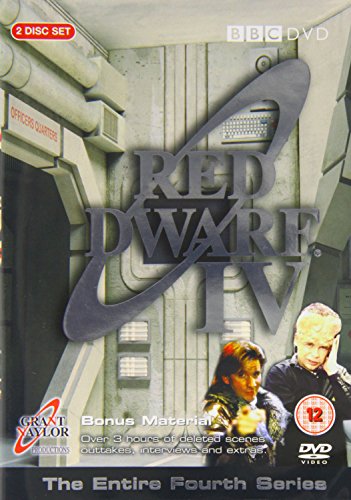
Red Dwarf: Series 4 [DVD] [1991]
Why We Love It

Wonderjune 60 Pcs Mini Gnomes Fairy Resin Statues Miniature
Why We Love It
Quick Pick
10 Best Dwarflab Dwarf 3 Of 2026
Quick Pick
DWARFLAB Dwarf 3 Smart Telescope - Portable, Astronomy/Wildlife/Panorama Capture, Equalizer Mode, Cloud Processing, 4K Car Tracking, Ultra Light 3 Pounds, Suitable for All Ages
DWARFLAB DWARF Mini Smart Telescope - 840g Ultra-Portable Astronomy Telescope for Astrophotography with Built-in Filters, Auto GOTO, AZ/EQ Mode and Cloud Processing
DWARFLAB Tripod DWARF 3 & DWARF mini
Red Dwarf: Series 4 [DVD] [1991]
Wonderjune 60 Pcs Mini Gnomes Fairy Resin Statues Miniature Gnomes Miniature Gnome Figurines for Landscape Outdoor Patio Yard Lawn Indoor Plant Pots Fairy Decor (Mini Resin Dwarf)
Buying Guide: Dwarflab Dwarf 3
📋 Table of Contents
1What aperture size do I need for stargazing or planetary viewing?
For stargazing and deep-sky objects, look for at least 70mm aperture; for planetary details, 114mm or more is better. Larger apertures gather more light, but also add weight and cost, so balance your goals with portability and budget.
2Should I choose a refractor, reflector, or compound telescope?
Refractors offer sharp images and low maintenance, ideal for planetary viewing. Reflectors provide more aperture for the price, great for deep-sky objects. Compound telescopes (like Schmidt-Cassegrains) are compact and versatile but more expensive and complex to use.
3What magnification range is realistic for a beginner's telescope?
Most telescopes can magnify up to 50-100x with good clarity, depending on aperture and atmospheric conditions. Higher magnifications (200x+) often result in blurry images unless the telescope is stable and the sky is clear, so avoid overestimating what you'll see through the eyepiece.
4Is a computerized (GoTo) telescope worth the extra cost?
GoTo telescopes automatically locate and track celestial objects, which is great for beginners or those with limited time. However, they require setup and learning, and manual models teach you more about the night sky. Choose based on your interest in automation versus hands-on learning.
5What accessories should I look for in a telescope bundle?
A good bundle includes at least two eyepieces (25mm and 10mm for different magnifications), a red-dot finder for easier aiming, and a sturdy tripod. Avoid cheap plastic parts; look for metal or reinforced components for durability and stability, especially in windy conditions.
How we choose
Our editors are people who genuinely love testing and writing about products. We compare each product's real-world usability and strengths, then distill what matters most into our own "Why We Love It" points — so you get an honest, at-a-glance sense of what counts before you buy.