10 Best Dual Direct Boxes Of 2026
Dual Direct Boxes — Reviews, Recommendations & Updated Buying Guide November 2026


ART DualZDirect Dual Professional Passive Direct Box
Why We Love It


Whirlwind DIRECT2 Dual Direct Box
Why We Love It
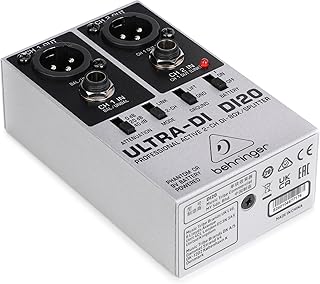
Behringer ULTRA-DI DI20 2 Channel DI Box/Splitter
Why We Love It
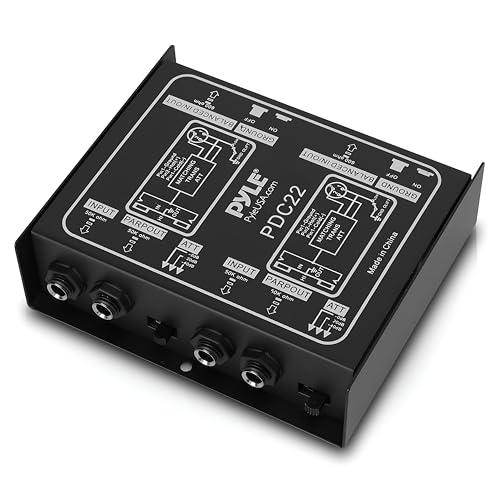
Premium Direct Injection Audio Box
Why We Love It
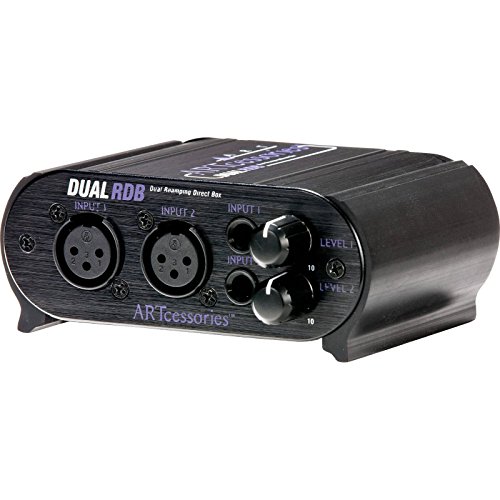
ART Dual RDB Reamping Direct Box
Why We Love It

ART ZDirect Professional Passive Direct Box
Why We Love It

Behringer Signal Direct Box Di800 V2
Why We Love It

Premium Direct Injection Audio Box
Why We Love It

Samson MD2 Pro Stereo Passive Direct Box
Why We Love It

ART DPDB 2-Channel Passive Direct Box
Why We Love It
Quick Pick
10 Best Dual Direct Boxes Of 2026
Quick Pick
ART DualZDirect Dual Professional Passive Direct Box
Whirlwind DIRECT2 Dual Direct Box
Behringer ULTRA-DI DI20 2 Channel DI Box/Splitter
Premium Direct Injection Audio Box - Passive DI Unit Hum Eliminator w/Input Attenuator to Connect Guitar & Bass - 1/4 Inch Impedance Transformer Connector to Balanced & Unbalanced XLR
ART Dual RDB Reamping Direct Box
ART ZDirect Professional Passive Direct Box
Behringer Signal Direct Box Di800 V2
Premium Direct Injection Audio Box - Passive DI Unit Hum Eliminator w/Input Attenuator to Connect Guitar & Bass, 1/4'' Impedance Transformer Connector to Balanced & Unbalanced XLR, Black - Pyle PDC21
Samson MD2 Pro Stereo Passive Direct Box, Shielded Transformer
ART DPDB 2-Channel Passive Direct Box
Buying Guide: Dual Direct Boxes
📋 Table of Contents
1What input types should I look for in a dual direct box?
Most dual DI boxes offer a combination of XLR, 1/4" TRS, and sometimes 1/4" TS inputs. XLR is ideal for microphones, while balanced 1/4" TRS handles line-level signals like keyboards or mixers. Make sure the model you choose supports the gear you plan to connect.
2Does phantom power matter for my setup?
Yes — if you use condenser microphones, look for a DI box with a 48V phantom power switch. Not all dual DI boxes provide this, and some only offer it on one channel. Check if your signal sources require it before buying.
3How important is the output configuration?
Dual DI boxes often provide two outputs: one for the main mix and one for a stage monitor or recording. Look for models with both XLR and 1/4" outputs for maximum flexibility, especially if you're using in-liner or rackmount setups.
4What’s the difference between passive and active DI boxes?
Passive DIs use transformers and require no power, making them simple and reliable. Active DIs need power (often via phantom or a battery) and offer better signal clarity and impedance matching, especially for high-impedance sources like electric guitars or keyboards.
5Are there any common mistakes to avoid when choosing a dual DI box?
Don’t assume all DI boxes are the same — check if it supports your input and output needs, and whether it handles the signal types you use. Also, avoid models with poor shielding or low-quality transformers, as they can introduce noise or degrade your sound quality.
How we choose
Our editors are people who genuinely love testing and writing about products. We compare each product's real-world usability and strengths, then distill what matters most into our own "Why We Love It" points — so you get an honest, at-a-glance sense of what counts before you buy.