10 Best Dslr Camera For Photography Of 2026
Dslr Camera For Photography — Reviews, Recommendations & Updated Buying Guide November 2026


Nikon D7500 Camera Body with 18-140 mm VR Digital DSLR Kit
Why We Love It


Nikon D7500 20.9MP DSLR Camera with AF-S DX NIKKOR 18-140mm
Why We Love It
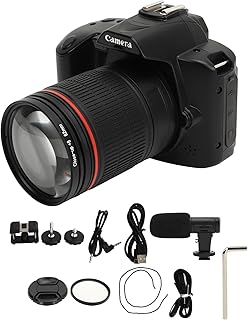
Jiawu Digital Camera for Photography
Why We Love It

4K Digital Camera for Photography
Why We Love It

5K Ultra HD Digital Camera
Why We Love It

Digital Camera for Photography
Why We Love It
Quick Pick
10 Best Dslr Camera For Photography Of 2026
Quick Pick
Nikon D7500 Camera Body with 18-140 mm VR Digital DSLR Kit - Black
Nikon D7500 20.9MP DSLR Camera with AF-S DX NIKKOR 18-140mm f/3.5-5.6G ED VR Lens, Black | AF-S DX NIKKOR 18-140mm f 3.5-5.6G ED VR
Jiawu Digital Camera for Photography, 4K 64MP Vlogging Camera for YouTube with Wi Fi, 3in Selfie Rear and Front Camera, 16X Digital Zoom, 62mm Macro Lens, 4000mAH Battery
4K Digital Camera for Photography, 64 MP Vlogging Camera for YouTube with 3 Inch (7.6 cm) 180° Flip Screen, 18X Zoom Digital Camera and Shooting Camera with 32 GB Micro SD Card
5K Ultra HD Digital Camera, 75MP, Black Metal Body, 3" Flip Screen, Wide Angle & Macro Lens, 64GB Card, Dual Battery for Photography & Vlogging (Black)
Digital Camera for Photography, 48MP 18X Digital Zoom Camera, with 2.4 Inch Flip Screen, Compact Travel Camera, for Beginner
Buying Guide: Dslr Camera For Photography
📋 Table of Contents
1What's the difference between entry-level and professional DSLR cameras?
Entry-level DSLRs are lighter, more affordable, and perfect for learning photography, while professional models offer faster autofocus, better weather sealing, and higher frame rates for demanding work like sports or wildlife. If you're just starting out, an entry-level camera will teach you everything you need to know without the unnecessary cost.
2How many megapixels do I actually need?
For most photography, 20-24 megapixels is more than enough for sharp prints and online sharing; going higher mainly matters if you plan to crop heavily or print large formats. Sensor quality and lens sharpness have a bigger impact on image quality than megapixel count alone.
3Should I buy the camera body alone or a kit with a lens?
A kit lens is convenient for getting started and learning, but often limits you creatively—consider it if you want simplicity, or buy body-only if you already have lenses or plan to invest in quality glass. Body-only saves money upfront if you're willing to buy good lenses separately.
4What specs matter most when comparing DSLR models?
Focus on sensor size (full-frame vs crop), autofocus speed and accuracy, continuous shooting speed, and battery life rather than chasing megapixels or gimmicky features. Real-world performance and how comfortable the camera feels in your hands matter more than spec sheets.
5Is it worth buying a used DSLR instead of new?
Used DSLRs from reputable sellers can save you money and still have plenty of life left, especially since sensor technology hasn't changed dramatically year to year. Check the shutter count (lower is better), test the autofocus and buttons, and buy from someone with a return policy for peace of mind.
How we choose
Our editors are people who genuinely love testing and writing about products. We compare each product's real-world usability and strengths, then distill what matters most into our own "Why We Love It" points — so you get an honest, at-a-glance sense of what counts before you buy.