10 Best Diy Alarm Systems Of 2026
Diy Alarm Systems — Reviews, Recommendations & Updated Buying Guide November 2026


Smart Wi-Fi Siren Alarm
Why We Love It


Ring Alarm 5 Piece Kit (2nd Generation) by Amazon
Why We Love It

Understanding and Servicing Alarm Systems
Why We Love It

PHILIPS Personal Security Window and Door Alarm
Why We Love It

WiFi Alarm Home Security System
Why We Love It

Security Alarm System with 120 dB Flashing Light & Siren
Why We Love It

CPVAN Indoor Motion Sensor Alarm with Siren
Why We Love It
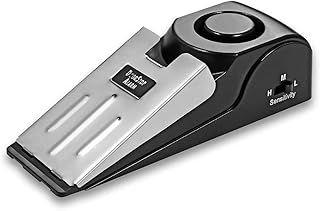
Mengshen Mini Wireless Vibration Triggered Wedge Shaped Door
Why We Love It

How to Set Up Home Security - Install Cameras
Why We Love It

Home Security Systems DIY using Android and Arduin
Why We Love It
Quick Pick
10 Best Diy Alarm Systems Of 2026
Quick Pick
Smart Wi-Fi Siren Alarm, Wireless Burglar System With Sound and Light, 100dB Sounder, Tuya App Control, No Hub Required, for House, Apartment, Compatible With Alexa, Google Assistant (1 Pack)
Ring Alarm 5 Piece Kit (2nd Generation) by Amazon – home security system with optional Alarm Calls- No long-term commitments - Works with Alexa
Understanding and Servicing Alarm Systems
PHILIPS Personal Security Window and Door Alarm, 4 Pack, Wireless Chime | DIY Protection, Burglar Alert, Easy Installation, Ideal for Home, Garage, Apartment, RV and More, LRM3320W/27
WiFi Alarm Home Security System, Wireless Alarm System with Loud 120dB Motion Sensor Siren, Window Door Alarms Sensor, Remote Control for Shed Garage
Security Alarm System with 120 dB Flashing Light & Siren - Electronic Light Alarm for Home, 220 V ABS Material, Moisture Resistant (20 cm Wire)
CPVAN Indoor Motion Sensor Alarm with Siren, Wireless Infrared DIY PIR Motion Detector Burglar Alarm System, Battery Operated, 125dB Adjustable, Remote Control for Home/Garage/Van/Shed/Shop. (Black)
Mengshen Mini Wireless Vibration Triggered Wedge Shaped Door Stopper Alert Home Security System Door Stop Alarm Block Blocking System Black(Pack of 1)
How to Set Up Home Security - Install Cameras, Alarms, and Prevent Break-ins: A Comprehensive Guide to Protecting Your Home with DIY Security Systems, ... Cameras, Motion Sensors, and Burglar Alarms
Home Security Systems DIY using Android and Arduin
Buying Guide: Diy Alarm Systems
📋 Table of Contents
1What components are essential for a basic DIY alarm system?
A motion sensor, a siren or buzzer, a power source like a 9V battery, and wiring are essential. Some systems also include a door/window sensor and a control panel for arming/disarming. These components work together to detect intrusion and trigger an alert.
2How sensitive should motion sensors be for home use?
For home use, look for motion sensors with a detection range of 15-30 feet and adjustable sensitivity. Too sensitive and they may trigger false alarms from pets or drafts; too insensitive and they may miss actual intrusions. A mid-range setting with a delay feature is often ideal.
3Can I use a smartphone to monitor my DIY alarm system?
Yes, many DIY systems use wireless modules that connect to your smartphone via Bluetooth or Wi-Fi. Look for systems that support apps with real-time alerts, remote arming/disarming, and activity logs. Ensure your phone and the system are compatible with the same network protocol.
4What are common mistakes when building a DIY alarm system?
Common mistakes include poor placement of sensors, using low-quality components that fail quickly, and neglecting to test the system thoroughly. Also, many forget to include a backup power source or fail to secure wiring properly, which can lead to false alarms or system failure.
5Is it worth investing in a more advanced DIY alarm system?
If you have a larger home or need features like remote access, multi-zone coverage, or integration with smart home devices, a more advanced system is worth the investment. Look for systems with at least 5-10 zones, tamper-proof sensors, and compatibility with smart hubs for added functionality and control.
How we choose
Our editors are people who genuinely love testing and writing about products. We compare each product's real-world usability and strengths, then distill what matters most into our own "Why We Love It" points — so you get an honest, at-a-glance sense of what counts before you buy.