10 Best Diving Weights Belts Of 2026
Diving Weights Belts — Reviews, Recommendations & Updated Buying Guide November 2026


Cressi Marselillas Elasti Belt Tauchen Bleigürtel
Why We Love It


CRESSI Durable Marseillaise Weight Belt for Free Diving
Why We Love It

CRESSI Serpent Silicone Marseillaise Belt
Why We Love It

Scuba Choice Scuba Diving 60" Long 2" Webbing Weight Belt
Why We Love It
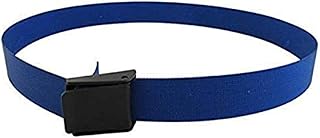
Scuba Choice Scuba Diving 60" Long 2" Webbing Weight Belt
Why We Love It

THE WHITE SHOP 2PCS Diving Weight Pouch
Why We Love It

Diving Weight Belt with 5 Pockets Adjustable Quick Release
Why We Love It
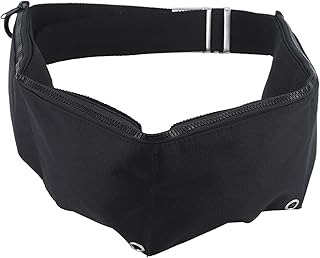
Luqeeg Diving Weight Belt
Why We Love It
Quick Pick
10 Best Diving Weights Belts Of 2026
Quick Pick
Cressi Marselillas Elasti Belt Tauchen Bleigürtel
CRESSI Durable Marseillaise Weight Belt for Free Diving, Spearfishing - Serpent- Designed in Italy
CRESSI Serpent Silicone Marseillaise Belt - Silicone Marseillaise Weight Belt for Free Diving, Spear Fishing, Quick Realease Buckle, One Size
Scuba Choice Scuba Diving 60" Long 2" Webbing Weight Belt with Plastic Buckle, Yellow
Scuba Choice Scuba Diving 60" Long 2" Webbing Weight Belt with Plastic Buckle, Blue
THE WHITE SHOP 2PCS Diving Weight Pouch, Pair – Compact Counterweight Pocket with Buckle Closure, Fits 2" Belt, Holds 2LB Each (Weights Not Included), Durable Black Scuba Diving Gear
Diving Weight Belt with 5 Pockets Adjustable Quick Release Buckle
Luqeeg Diving Weight Belt, Waist Weight Belt, Waist Weight Belt with Pockets Zippered, Nylon 600D Oxford Cloth Double D Shape Buckle Waist Belt with Quick Dry for Snorkeling Sports
Buying Guide: Diving Weights Belts
📋 Table of Contents
1How do I know how much weight I actually need?
Start by calculating your buoyancy loss: add roughly 2kg for every 3mm of wetsuit thickness, plus 1-2kg for your gear. Test in confined water first—you should be neutrally buoyant at eye level when your lungs are empty, then slowly sink when you exhale. Adjust from there rather than guessing; too much weight makes diving harder and more dangerous.
2What's the difference between a weight belt and a weight integrated BCD?
Weight belts are simple and quick-release, while integrated systems keep weights secure inside your BCD—better for travel and rough conditions. Weight belts are cheaper and easier to adjust mid-dive, but integrated systems distribute weight more evenly and reduce dangling straps. Choose based on your dive style: casual diving favors belts, travel or technical diving favors integration.
3Should I buy a buckle belt or a quick-release belt?
Quick-release belts (with pull-away buckles) are the safety standard now—they let you dump weight instantly in an emergency, which buckle belts don't allow as reliably. Buckle belts are simpler and cheaper, but the slight cost saving isn't worth the safety trade-off for recreational diving. If you're diving regularly, invest in proper quick-release.
4Does the material of the belt matter?
Nylon webbing is standard, durable, and easy to clean—perfectly fine for most divers. Neoprene-backed belts offer more comfort on bare skin, while thicker materials resist UV damage better if you store your gear in the sun. Unless you're diving in extreme conditions, stick with basic nylon; comfort matters more than material type.
5What weight capacity belt should I choose?
Most recreational belts max out at 15-20kg, which covers 90% of divers—check your actual weight needs before buying rather than oversizing. Larger capacity belts aren't necessarily better; they're bulkier and heavier when not in use, so match it to your requirements. If you need more than 20kg regularly, you've likely moved into technical diving and need specialized gear anyway.
How we choose
Our editors are people who genuinely love testing and writing about products. We compare each product's real-world usability and strengths, then distill what matters most into our own "Why We Love It" points — so you get an honest, at-a-glance sense of what counts before you buy.