10 Best Diving Valves Of 2026
Diving Valves — Reviews, Recommendations & Updated Buying Guide November 2026


Scubas Diving Cylinder Adapter York Insert Regulator Din To
Why We Love It


Scuba Choice Diving Dive Din to Yoke Insert Convert Adapter
Why We Love It
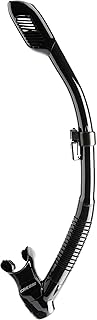
CRESSI Supernova Dry Snorkel with Valve and Splash Guard for
Why We Love It

CRESSI Supernova Dry Snorkel with Valve and Splash Guard for
Why We Love It

300Bar 4500Psi DIN To Yoke Regulator Adapter Scuba Diving
Why We Love It

Training Headstrap Support Dry Top Snorkel Tube Comfortable
Why We Love It

CRESSI Supernova Dry Snorkel with Valve and Splash Guard for
Why We Love It
Quick Pick
10 Best Diving Valves Of 2026
Quick Pick
Scubas Diving Cylinder Adapter York Insert Regulator Din To Yokes Insert Tanks Valves Adaptor For DIN Tanks Valves Scubas Diving Rings A Clamps Convertor
Scuba Choice Diving Dive Din to Yoke Insert Convert Adapter Valve
CRESSI Supernova Dry Snorkel with Valve and Splash Guard for Snorkeling and Freediving, Silicone Mouthpiece with Purge Valve and Quick Attachment
CRESSI Supernova Dry Snorkel with Valve and Splash Guard for Snorkeling and Freediving, Silicone Mouthpiece with Purge Valve and Quick Attachment, Unisex, Black/Dark Blue, One Size
300Bar 4500Psi DIN To Yoke Regulator Adapter Scuba Diving Tank High Pressure Filling Valve Din Station with Dust Cap
Training Headstrap Support Dry Top Snorkel Tube Comfortable Mouthpiece One-Way Purge Valve for Pool Open Water Scuba Lap Swimming Swimmer Diving Snorkeling (Black)
CRESSI Supernova Dry Snorkel with Valve and Splash Guard for Snorkeling and Freediving, Silicone Mouthpiece with Purge Valve and Quick Attachment
Buying Guide: Diving Valves
📋 Table of Contents
1What's the difference between DIN and yoke valve connections?
DIN valves have a threaded connection that's more robust and preferred for deep or technical diving, while yoke valves use a simple clamp mechanism that's easier to attach but less secure. Your choice depends on your tank type and diving style—DIN is standard in Europe, yoke is common in North America.
2How do I know if a valve is suitable for saltwater diving?
Look for valves made from stainless steel or materials specifically rated for corrosive environments, as brass and standard metals corrode quickly in saltwater. Check the product specs or manufacturer notes to confirm saltwater compatibility before buying.
3What cylinder pressure rating should I look for?
Match the valve's pressure rating to your tank's working pressure—typically 200 bar for standard tanks or 300 bar for high-pressure cylinders. Using a mismatched valve risks seal failure or rupture, so verify both the tank and valve ratings before purchase.
4Is it worth paying more for an isolator valve on a twinset?
An isolator valve lets you isolate each cylinder independently if one fails, which is essential for safety in technical or deep diving but unnecessary for recreational diving. It adds cost but provides crucial redundancy, so consider it if you do challenging dives regularly.
5What maintenance issues should I check before buying a used valve?
Inspect for corrosion, pitting, or damage to the internal mechanism, and confirm the valve has been recently serviced and tested for leaks. Avoid valves that show heavy wear or come without service history, as repair costs can exceed the price of a new one.
How we choose
Our editors are people who genuinely love testing and writing about products. We compare each product's real-world usability and strengths, then distill what matters most into our own "Why We Love It" points — so you get an honest, at-a-glance sense of what counts before you buy.