10 Best Diving Shoes Of 2026
Diving Shoes — Reviews, Recommendations & Updated Buying Guide November 2026


JOTO Water Shoes for Women Men Children Unisex Bathing Shoes
Why We Love It


SKY-TOUCH Water Shoes for Women Men
Why We Love It
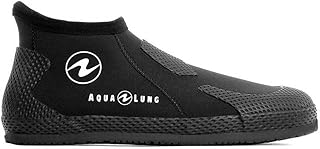
Aqua Lung Superlow
Why We Love It

SKY-TOUCH Water Shoes for Women Men
Why We Love It

CRESSI Isla Neoprene boots with non-slip sole
Why We Love It
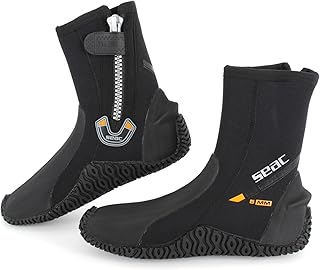
SEAC Basic HD
Why We Love It

CRESSI Adult Neoprene Diving Boots with Anti-Slip Rubber
Why We Love It

CRESSI Reef unisex-adult Men Water Shoes
Why We Love It
Quick Pick
10 Best Diving Shoes Of 2026
Quick Pick
JOTO Water Shoes for Women Men Children Unisex Bathing Shoes Beach Shoes Quick-Dry Quick-Drying Aqua Shoes Swimming Shoes Surf Shoes Barefoot Shoes
SKY-TOUCH Water Shoes for Women Men, Outdoor Beach Shoes Swimming Aqua Socks Quick Dry Snorkeling Shoes Surfing Yoga Pool Exercise Water Shoes Size 34-45, Black
Aqua Lung Superlow
SKY-TOUCH Water Shoes for Women Men, Outdoor Beach Shoes Swimming Aqua Socks Quick-Dry Snorkeling Shoes Surfing Yoga Pool Exercise Water Shoes Size 34-45
CRESSI Isla Neoprene boots with non-slip sole, reinforced toe and heel, warm water sports footwear with zip for diving, snorkeling, surfing, sailing, boating and canyoning
SEAC Basic HD, 5 mm neoprene diving boots with side zip and semi-rigid sole
CRESSI Adult Neoprene Diving Boots with Anti-Slip Rubber Sole for Water Sports | Ibiza 3mm
CRESSI Reef unisex-adult Men Water Shoes
Buying Guide: Diving Shoes
📋 Table of Contents
1What's the difference between reef shoes and diving booties?
Reef shoes are lightweight with minimal insulation, designed for warm shallow water and protecting your feet from sharp rocks. Diving booties are thicker with neoprene lining, offering warmth and protection for deeper dives or cooler conditions. Choose reef shoes for tropical diving and booties if you'll be in deeper water or need thermal protection.
2How do I know what size diving shoes to buy?
Diving shoes should fit snugly without gaps or pressure points, since loose shoes can slip off underwater. Try them on with the socks you plan to wear diving, and if buying online, check the brand's size chart carefully as fits vary significantly between manufacturers. You want room for your toes to wiggle slightly, but your heel shouldn't move inside the shoe.
3What sole thickness should I look for?
Thicker soles (3-5mm) protect better against sharp surfaces and hot sand, while thinner soles (1-2mm) offer more feel and flexibility for activities like rock scrambling. For regular reef or beach diving, a medium-thickness sole of 2-3mm strikes the right balance between protection and sensitivity. If you're diving on rocky or volcanic shores frequently, go thicker.
4When is it worth spending more on premium diving shoes?
Premium shoes offer better materials that last longer, improved drainage systems, and more secure fastening systems like velcro straps over basic lace closures. Spend more if you dive regularly (monthly or more) or in harsh conditions where durability matters, otherwise budget options work fine for occasional tropical vacations. The difference really shows after 50+ dives when cheaper shoes start breaking down.
5Are neoprene diving shoes warmer than rubber-soled reef shoes?
Yes, neoprene booties with 3-5mm thickness provide genuine insulation, while rubber reef shoes offer almost no thermal protection. Choose neoprene if you're diving in water below 24°C or diving multiple times in a day, as reef shoes are purely for surface protection in warm water. Keep in mind neoprene is heavier and more uncomfortable for walking, so it's really only for in-water use.
How we choose
Our editors are people who genuinely love testing and writing about products. We compare each product's real-world usability and strengths, then distill what matters most into our own "Why We Love It" points — so you get an honest, at-a-glance sense of what counts before you buy.