10 Best Diving Boots Of 2026
Diving Boots — Reviews, Recommendations & Updated Buying Guide November 2026

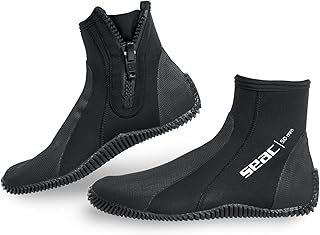
SEAC Unisex Regular Standard Booties (pack of 1)
Why We Love It


Osprey Adult Wetsuit Boots
Why We Love It

CRESSI Isla Neoprene boots with non-slip sole
Why We Love It
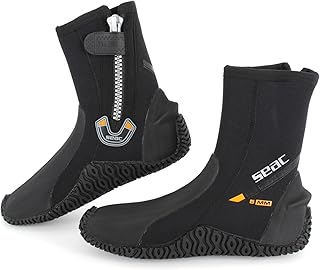
SEAC Basic HD
Why We Love It
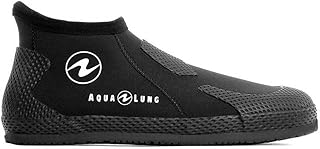
Aqua Lung Superlow
Why We Love It

Aqua Lung 5mm Superzip Boots
Why We Love It

Cressi Neoprene Adult Anti-Slip Sole Boots
Why We Love It

CRESSI ISLA, Premium Neoprene Anti-Slip Sole Boots
Why We Love It

Mares Adult Equator 2mm Neoprene Ankle-High Scuba Diving
Why We Love It
Quick Pick
10 Best Diving Boots Of 2026
Quick Pick
SEAC Unisex Regular Standard Booties (pack of 1)
Osprey Adult Wetsuit Boots, Neoprene Boots for Men and Women, Aqua Boots Multiple Sizes
CRESSI Isla Neoprene boots with non-slip sole, reinforced toe and heel, warm water sports footwear with zip for diving, snorkeling, surfing, sailing, boating and canyoning
SEAC Basic HD, 5 mm neoprene diving boots with side zip and semi-rigid sole
Aqua Lung Superlow
Aqua Lung 5mm Superzip Boots
Cressi Neoprene Adult Anti-Slip Sole Boots - for Scuba Diving, Snorkeling, Diving, and Rafting - Minorca: Designed in Italy
CRESSI ISLA, Premium Neoprene Anti-Slip Sole Boots
Mares Adult Equator 2mm Neoprene Ankle-High Scuba Diving Boots for Men & Women - Non-Slip Rubber Sole
Buying Guide: Diving Boots
📋 Table of Contents
1What's the difference between neoprene and hard-soled diving boots?
Neoprene boots offer flexibility and warmth in cold water, while hard-soled boots provide better protection and grip on rocky surfaces. Choose neoprene for general diving and travel, hard-soled for technical diving or rough seabeds.
2How do I know if diving boots will fit with my fins?
Check your fin type first — open-heel fins need boots with a defined heel, while full-foot fins don't need boots at all. Most diving boots fit standard open-heel fins, but measure the heel pocket width on both to be sure.
3What thickness of neoprene boot should I get for warm water diving?
A 3mm neoprene boot is ideal for tropical and warm water diving, offering minimal bulk while protecting your feet from cuts and scrapes. If water temperatures drop below 20°C, consider 5mm or thicker for better insulation.
4Are expensive diving boots worth it over budget options?
Premium boots often have better durability, improved sole grip, and superior insulation, so they're worth the investment if you dive regularly. For occasional recreational diving, a mid-range boot performs adequately as long as the sole and seams are well-made.
5What size should diving boots be — tight or loose?
Boots should fit snugly without cutting off circulation; you should barely fit a finger between your heel and the boot. They'll compress slightly in water, so avoid buying too loose — a proper fit prevents blistering and keeps your feet stable inside the fins.
How we choose
Our editors are people who genuinely love testing and writing about products. We compare each product's real-world usability and strengths, then distill what matters most into our own "Why We Love It" points — so you get an honest, at-a-glance sense of what counts before you buy.