10 Best Digital Mixing Consoles Of 2026
Digital Mixing Consoles — Reviews, Recommendations & Updated Buying Guide November 2026


Behringer 32 40-Input 25-Bus Digital Mixing Console
Why We Love It


Yamaha MGX12 18-Channel Digital Mixing Console
Why We Love It

Behringer WING 48-Channel
Why We Love It

Behringer XR18 18-Channel
Why We Love It

Yamaha MGX12V 18-Channel Digital Mixing Console with Video
Why We Love It
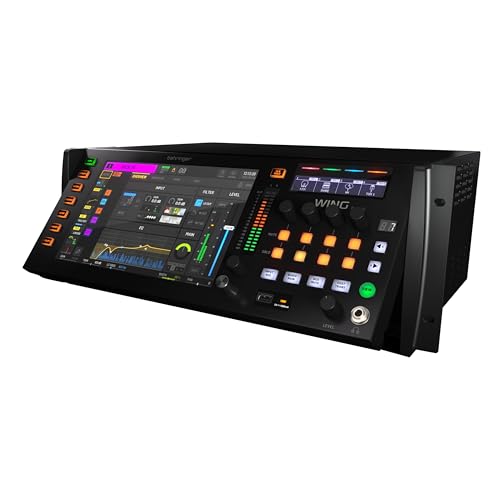
Behringer WING Rack 48-Channel 28-Bus Full Stereo Digital
Why We Love It
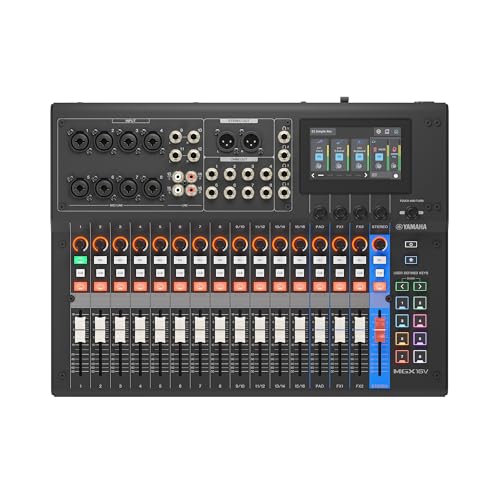
Yamaha MGX16V 22-Channel Digital Mixing Console with Video
Why We Love It

Audio Mixer 5 Channel BT Sound DJ Stereo Mixing Console USB
Why We Love It

Yamaha Professional 22 Ch Ultracompact Digital Mixer with
Why We Love It

Yamaha MG10XU Mixing Console
Why We Love It
Quick Pick
10 Best Digital Mixing Consoles Of 2026
Quick Pick
Behringer 32 40-Input 25-Bus Digital Mixing Console, Black (X32)
Yamaha MGX12 18-Channel Digital Mixing Console - Black
Behringer WING 48-Channel, 28-Bus Full Stereo Digital Mixing Console
Behringer XR18 18-Channel, 12-Bus Digital Mixer for iPad/Android Tablets with 16 Programmable Midas Preamps, Integrated Wifi Module and Multi-Channel USB Audio Interface
Yamaha MGX12V 18-Channel Digital Mixing Console with Video Interface - Black
Behringer WING Rack 48-Channel 28-Bus Full Stereo Digital Mixing Console with 24-Midas PRO Preamps
Yamaha MGX16V 22-Channel Digital Mixing Console with Video Interface - Black
Audio Mixer 5 Channel BT Sound DJ Stereo Mixing Console USB for Performance Stage Podcasting Recording PC 48V Phantom Power Reverb Effects
Yamaha Professional 22 Ch Ultracompact Digital Mixer with Dante
Yamaha MG10XU Mixing Console, black
Buying Guide: Digital Mixing Consoles
📋 Table of Contents
1How many input channels do I actually need?
For small setups like home studios or live bands, 8–16 channels are usually enough. Larger productions, such as full orchestras or complex live events, may require 32 or more. Always check if the console supports expansion via external I/O for future growth.
2What's the difference between analog and digital signal routing?
Digital consoles process and route signals internally using software, offering more flexibility and recallable settings. Analog routing is physical and fixed, which can be faster for live mixing. Digital is ideal for automation and complex setups, while analog may suit simpler, hands-on workflows.
3Should I prioritize preamps or DSP power?
High-quality preamps are crucial for clean, detailed sound capture, especially for vocals and acoustic instruments. DSP power affects how many effects and plugins you can run in real time. For live use, prioritize DSP; for studio, invest in better preamps and low-noise circuitry.
4What connectivity options are essential for my setup?
Look for at least two balanced XLR inputs, line inputs, and AES/EBU or USB for digital interfacing. MIDI support is also useful for automation. Wireless connectivity (Wi-Fi or Bluetooth) can be handy for remote control apps but isn’t essential for all users.
5Are built-in effects worth relying on, or should I use external ones?
Most digital consoles offer decent built-in effects like reverb and delay, which are fine for live use. For studio-grade sound, external processors or DAW integration may be better. Check if the console allows for external effects returns and sends for more flexibility.
How we choose
Our editors are people who genuinely love testing and writing about products. We compare each product's real-world usability and strengths, then distill what matters most into our own "Why We Love It" points — so you get an honest, at-a-glance sense of what counts before you buy.