10 Best Device Servers Of 2026
Device Servers — Reviews, Recommendations & Updated Buying Guide November 2026

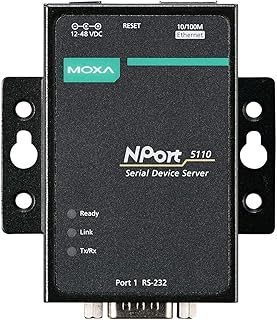
MOXA NPort 5110-1 Port Serial Device Server
Why We Love It


Silex DS 700 Wired USB Device Server
Why We Love It

DTECH Serial to Ethernet Converter Adapter RS232 RS422 RS485
Why We Love It

DIN Rail RS485 to Ethernet Converter
Why We Love It

Moxa NPort 5150-1 Port RS-232/422/485 Serial Device Server
Why We Love It
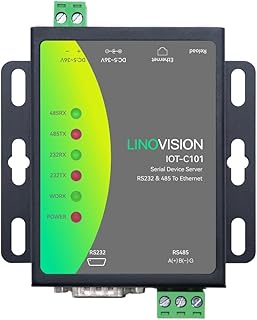
LINOVISION Dual Ports Serial Server
Why We Love It

PUSR TCP232-304 RS485 to TCP/IP Serial Device Server Support
Why We Love It
Quick Pick
10 Best Device Servers Of 2026
Quick Pick
MOXA NPort 5110-1 Port Serial Device Server, 10/100 Ethernet, RS232, DB9 Male
Silex DS 700 Wired USB Device Server
DTECH Serial to Ethernet Converter Adapter RS232 RS422 RS485 to TCP IP Device Server Supports DHCP DNS Modbus RTU/TCP 10/100M Power Over Ethernet POE
DIN Rail RS485 to Ethernet Converter, Serial Device Server, Modbus Gateway, Modbus RTU to Modbus TCP to Command Integrated Web Page USR-DR134
Moxa NPort 5150-1 Port RS-232/422/485 Serial Device Server
LINOVISION Dual Ports Serial Server, RS485 and RS232 to Ethernet Convertor, Modbus RTU/TCP Conversion, RS485 and RS232 to RJ45 Convertor, Processor Upgraded | RS485 and RS232 to RJ45 | Serial Device Server | Processor Upgraded
PUSR TCP232-304 RS485 to TCP/IP Serial Device Server Support Built-in Webpage Modbus Gateway RS485 to Ethernet Converter
Buying Guide: Device Servers
📋 Table of Contents
1What's the difference between rack servers and tower servers for device management?
Rack servers save space and are ideal if you're managing many devices in a data center or office, while tower servers work better for smaller setups or environments where you need flexibility in placement. Rack servers also typically offer better cooling and power efficiency at scale, but tower servers are simpler to set up and don't require special infrastructure.
2How much processing power do I actually need in a device server?
This depends on how many devices you're managing and what tasks the server handles—basic device monitoring needs fewer resources than running complex applications or handling high-traffic connections. Start by calculating the number of devices you'll connect and the operations per device (updates, logging, API calls), then choose a server that can handle peak load with some headroom for growth.
3What storage capacity should I look for?
Consider both the number of devices logging data and how long you need to retain logs—a server managing 100 devices might need less storage than one managing 1000. SSD storage is worth the investment over traditional hard drives since it handles frequent read/write operations much faster, improving overall performance.
4When is it worth spending more on redundancy and backup features?
If your device management is critical to business operations (like managing IoT sensors or point-of-sale systems), redundancy and automatic failover are essential and worth the investment. For smaller or non-critical setups, a single well-maintained server with regular backups is usually sufficient.
5What network capacity do device servers need?
Check the server's network interface speed (1Gbps, 10Gbps, etc.) against how many devices will simultaneously connect and how much data they'll send—high-traffic environments need faster connections to avoid bottlenecks. For most small to medium setups, gigabit networking is adequate, but growing businesses should plan for upgradeable options.
How we choose
Our editors are people who genuinely love testing and writing about products. We compare each product's real-world usability and strengths, then distill what matters most into our own "Why We Love It" points — so you get an honest, at-a-glance sense of what counts before you buy.