10 Best Cycling Heart Rate Monitors Of 2026
Cycling Heart Rate Monitors — Reviews, Recommendations & Updated Buying Guide November 2026


CYCPLUS Heart Rate Monitor Chest Strap H2Pro
Why We Love It


Polar H10 M-XXL Heart Rate Sensor Bluetooth & ANT+
Why We Love It

Polar H9
Why We Love It
Polar H9
Why We Love It
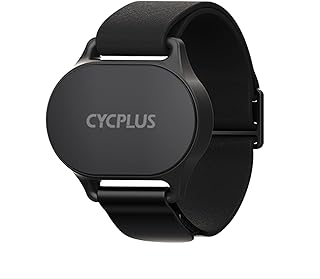
CYCPLUS Bluetooth 5.1 Ant HR Monitor with HR Zone LED
Why We Love It

Powr Labs Heart Rate Monitor Chest Strap
Why We Love It

Garmin HRM-600, Premium Heart Rate Monitor
Why We Love It

Garmin HRM-200
Why We Love It

COROS Heart Rate Monitor
Why We Love It

Polar Verity Sense - Optical Heart Rate Monitor Armband
Why We Love It
Quick Pick
10 Best Cycling Heart Rate Monitors Of 2026
Quick Pick
CYCPLUS Heart Rate Monitor Chest Strap H2Pro, Bluetooth ANT+, 500H Battery | ECG Algorithm for Precise Heart Rate Tracking, IPX7 Waterproof and Dustproof, HRM Works with Strava/Cycplus Fit App
Polar H10 M-XXL Heart Rate Sensor Bluetooth & ANT+ | Fits 66–95 cm chest, ECG/EKG accuracy, HRV tracking, Waterproof
Polar H9
Polar H9
CYCPLUS Bluetooth 5.1 Ant HR Monitor with HR Zone LED Indicator, IP67 Waterproof, for Running, Cycling, Gymnastics and Other Sports
Powr Labs Heart Rate Monitor Chest Strap - ANT + Bluetooth Chest Heart Rate Monitor with Chest Strap - HRM Run Bike Cycling - Chest Strap Heart Monitor for Strava Zwift Wahoo Garmin Polar Peloton
Garmin HRM-600, Premium Heart Rate Monitor, HRV data,Running Dynamics, Steps, Calories, Speed, Distance, Rechargeable battery,Record & sync data without a watch, machine washable strap, Size M-XL
Garmin HRM-200
COROS Heart Rate Monitor, Comfort, Easy to wear, Auto-wear Detection, Precise Data, Bluetooth, 38 Hours Battery Life, Compatible with up to 3 Connections, for Run and Bike
Polar Verity Sense - Optical Heart Rate Monitor Armband - ANT+, Dual Bluetooth
Buying Guide: Cycling Heart Rate Monitors
📋 Table of Contents
1Should I get a chest strap or wrist-based heart rate monitor for cycling?
Chest straps are more accurate during cycling since they pick up electrical signals directly from your heart, while wrist monitors can struggle with arm movement and sweat. If you're serious about training zones and interval work, a chest strap is worth it; wrist monitors work fine for casual riders who just want to track effort levels.
2What battery life do I need for a cycling heart rate monitor?
Look for at least 8-10 hours of continuous use if you do longer weekend rides, or 20+ hours if you want to wear it all day without charging. Most chest straps last 1-2 years on a single battery, while wrist monitors need charging every 5-7 days.
3Does it matter if my heart rate monitor connects via Bluetooth or ANT+?
ANT+ works better if you're using a dedicated cycling computer like Garmin or Wahoo, while Bluetooth is better for smartphone apps and smartwatches. Many newer monitors support both, so check compatibility with your other devices before buying.
4What's the difference between a basic heart rate monitor and one with extra features?
Basic monitors just track your heart rate, while advanced ones offer metrics like VO2 max estimates, recovery time, training load, and calorie burn. The extra features help with structured training plans, but they're only useful if you actually follow a training program.
5When is it worth spending more on a premium cycling heart rate monitor?
Premium models are worth it if you train multiple times per week and want advanced metrics, better build quality, or seamless integration with your bike computer. For casual riders checking their effort level, a mid-range option does the job perfectly fine.
How we choose
Our editors are people who genuinely love testing and writing about products. We compare each product's real-world usability and strengths, then distill what matters most into our own "Why We Love It" points — so you get an honest, at-a-glance sense of what counts before you buy.