10 Best Curved Computer Monitors Of 2026
Curved Computer Monitors — Reviews, Recommendations & Updated Buying Guide November 2026


27 Inch Curved Gaming Monitor
Why We Love It


KOORUI 34 Inch UltraWide Curved Gaming Monitor
Why We Love It

LG UltraWide™ 34 Inch 144Hz 21:9 WQHD Curved (1800R) Monitor
Why We Love It

Samsung 32" Odyssey G5 G55C QHD Curved Gaming Monitor
Why We Love It

LG 32G600A-B 32-inch Ultragear QHD (2560 x 1440) Curved
Why We Love It
KOORUI 27 Inch Curved Gaming Monitor
Why We Love It
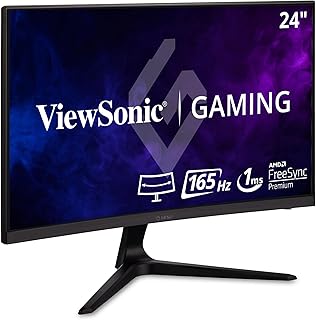
Viewsonic Omni VX2418C 24 Inch 1080p 1ms 165Hz Curved Gaming
Why We Love It

Xiaomi Mi Monitor G34WQI
Why We Love It

Z-Edge 27 inch Curved Gaming Monitor 300Hz Monitor
Why We Love It

Gawfolk 27 inch Curved Gaming Monitor 180Hz FHD(1920x1080)
Why We Love It
Quick Pick
10 Best Curved Computer Monitors Of 2026
Quick Pick
27 Inch Curved Gaming Monitor,180Hz, VA Display, QHD 1440P Computer Monitor, 1ms, HDR10,90% DCI-P3, Adaptive Sync, VESA Compatible,Tilt Adjustable
KOORUI 34 Inch UltraWide Curved Gaming Monitor, WQHD 180Hz, HDR400 | 3440x1440, 1000R VA Panel, 1ms MPRT, Adaptive Sync, 90% DCI-P3, PiP/PbP, DP 1.4, HDMI 2.0, VESA 75 × 75 mm
LG UltraWide™ 34 Inch 144Hz 21:9 WQHD Curved (1800R) Monitor 34U640B with USB-Type C (PD 65W), HDR 10, AMD FreeSync Premium, Tilt/Height Adjustment and sRGB 99% (Typ.)
Samsung 32" Odyssey G5 G55C QHD Curved Gaming Monitor, 165Hz refresh rate and 1ms response time (MPRT), 1000R Curved Screen, AMD FreeSync, Middle East Version (New Launch) - LS32CG552EMXUE
LG 32G600A-B 32-inch Ultragear QHD (2560 x 1440) Curved Gaming Monitor, 180Hz, 1ms, AMD FreeSync, HDMI, DisplayPort, Tilt/Height/Swivel Adjustable Stand, Black
KOORUI 27 Inch Curved Gaming Monitor,180Hz, VA Display, QHD 1440P Computer Monitor, 1ms, HDR10,90% DCI-P3, Adaptive Sync, VESA Compatible,Tilt Adjustable 27E6QCA
Viewsonic Omni VX2418C 24 Inch 1080p 1ms 165Hz Curved Gaming Monitor with AMD FreeSync Premium, Eye Care, HDMI and DisplayPort
Xiaomi Mi Monitor G34WQI, 34 Inch Curved Gaming Monitor, Black, EU ELA5454EU, QHD Ultra Wide 1440p
Z-Edge 27 inch Curved Gaming Monitor 300Hz Monitor, 1ms 16:9 FHD 1080P Frameless Curved Monitor, UG27S Freesync Eye Care, 2×Display Port, 2×HDMI
Gawfolk 27 inch Curved Gaming Monitor 180Hz FHD(1920x1080) 1800R | 1080P Computer Monitors Fast 1ms(GTG) 100%sRGB FreeSync Suitable for home office and e-sports games Display Screen
Buying Guide: Curved Computer Monitors
📋 Table of Contents
1What screen size and curvature radius should I look for?
For immersive viewing, choose a 27-34 inch monitor with a curvature of 1800R to 2200R. Smaller screens are better for focused work, while larger, more curved screens enhance multitasking and media consumption, but may require more desk space.
2What resolution is best for curved monitors?
QHD (2560x1440) is ideal for most users, offering a balance of detail and performance. 4K (3840x2160) is great for graphic design or video editing but requires a powerful GPU. Avoid 1080p unless on a smaller screen, as it can look pixelated on curves.
3Do curved monitors cause eye strain more than flat ones?
Not necessarily — curved monitors can reduce eye strain by minimizing the distance your eyes have to travel across the screen. However, improper positioning or excessive screen brightness can still cause fatigue. Ensure the monitor is at eye level and use blue light filters if needed.
4What refresh rate and response time should I prioritize?
For gaming or fast-paced video, look for at least 144Hz refresh rate and 1ms response time. For general use, 60-75Hz is sufficient. Lower response times prevent motion blur, while higher refresh rates make animations smoother, especially in curved displays.
5Are curved monitors worth the extra cost compared to flat ones?
They can be, if you value immersive visuals and ergonomic benefits. Curved monitors often come with higher-end features like HDR, wider color gamuts, and better build quality. However, if you primarily use your monitor for basic tasks, a flat panel may offer better value for money.
How we choose
Our editors are people who genuinely love testing and writing about products. We compare each product's real-world usability and strengths, then distill what matters most into our own "Why We Love It" points — so you get an honest, at-a-glance sense of what counts before you buy.