10 Best Ct Sounds Amplifiers Of 2026
Ct Sounds Amplifiers — Reviews, Recommendations & Updated Buying Guide November 2026


CT Sounds CT-1500.1D Compact Class D Car Audio Monoblock
Why We Love It


CT Sounds CT-2000.1D Car Audio 2000 Watt RMS Monoblock Class
Why We Love It

CT Sounds CT-800.5D 1000 Watt Full-Range Class D 5-Channel
Why We Love It

CT Sounds CT-1000.1D Compact Class D Car Audio Monoblock
Why We Love It
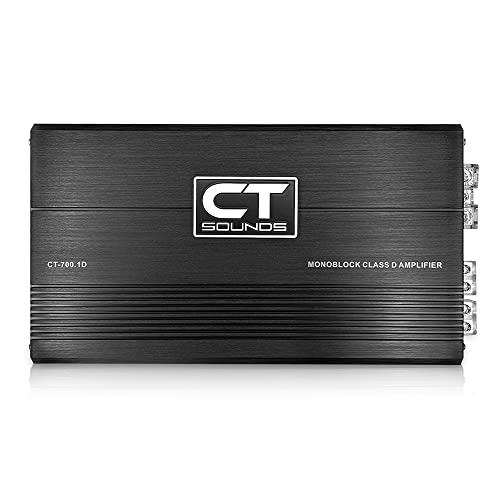
CT Sounds CT-700.1D Compact Class D Car Audio Monoblock
Why We Love It

CT Sounds CT-150.4D Full-Range Class D 4 Channel Car Audio
Why We Love It

CT Sounds CT-400.1D Compact Class D Car Audio Monoblock
Why We Love It

CT Sounds CT-1500.5D 1800W RMS Full-Range Class D 5-Channel
Why We Love It

CT Sounds CT-80.4D Full-Range Class D 4 Channel Car Audio
Why We Love It

CT Sounds 8 Gauge OFC Complete Amp Wiring Install Kit
Why We Love It
Quick Pick
10 Best Ct Sounds Amplifiers Of 2026
Quick Pick
CT Sounds CT-1500.1D Compact Class D Car Audio Monoblock Amplifier, 1500 Watts RMS
CT Sounds CT-2000.1D Car Audio 2000 Watt RMS Monoblock Class D Amplifier
CT Sounds CT-800.5D 1000 Watt Full-Range Class D 5-Channel Car Amplifier
CT Sounds CT-1000.1D Compact Class D Car Audio Monoblock Amplifier, 1000 Watts RMS
CT Sounds CT-700.1D Compact Class D Car Audio Monoblock Amplifier, 700 Watts RMS
CT Sounds CT-150.4D Full-Range Class D 4 Channel Car Audio Amplifier, 1000 Watts RMS
CT Sounds CT-400.1D Compact Class D Car Audio Monoblock Amplifier, 400 Watt RMS
CT Sounds CT-1500.5D 1800W RMS Full-Range Class D 5-Channel Car Amplifier
CT Sounds CT-80.4D Full-Range Class D 4 Channel Car Audio Amplifier, 480 Watts RMS
CT Sounds 8 Gauge OFC Complete Amp Wiring Install Kit, AMPKIT-8GA-ELITE
Buying Guide: Ct Sounds Amplifiers
📋 Table of Contents
1What power output (watts) do I need for my amplifier?
For home use, 50-150W per channel is sufficient for most speakers and room sizes. If you play at high volumes or have large spaces, look for 200W+ per channel. More power ensures cleaner sound without distortion during peaks.
2Should I choose a tube or solid-state amplifier?
Tube amps offer warm, rich sound ideal for jazz or vintage tones but require more maintenance and warm-up time. Solid-state amps are more durable, efficient, and stable, making them better for rock, pop, or daily use. Choose based on your music style and maintenance tolerance.
3What is the importance of impedance matching with speakers?
Impedance (measured in ohms) must match the amplifier's rating to avoid damage and ensure optimal performance. Most home amps work with 4-8 ohm speakers. Mismatching can cause overheating or reduced sound quality, so always check speaker and amp specs before pairing.
4Are built-in effects or equalizers worth considering?
Integrated EQ or effects like reverb are useful for casual use or small setups but may not match the quality of external pedals or processors. If you're a serious musician, consider a clean amp and add effects separately for better control and sound quality.
5What connectivity options should I look for?
Look for RCA, 1/4”, and 3.5mm inputs for versatility. Bluetooth or Wi-Fi is handy for wireless streaming, but wired connections offer better sound quality and reliability. Match the inputs to your source devices, like turntables, guitars, or phones.
How we choose
Our editors are people who genuinely love testing and writing about products. We compare each product's real-world usability and strengths, then distill what matters most into our own "Why We Love It" points — so you get an honest, at-a-glance sense of what counts before you buy.