10 Best Co2 Air Quality Sensors Of 2026
Co2 Air Quality Sensors — Reviews, Recommendations & Updated Buying Guide November 2026


SONOFF AirGuard CO2 Smart Indoor Air Quality Monitor
Why We Love It


SwitchBot Air Quality Monitor Indoor Meter Pro CO2 Detector
Why We Love It

9 in 1 Air Quality Monitor
Why We Love It

Qingping Air Monitor Lite
Why We Love It

5-in-1 Air Quality Monitor
Why We Love It
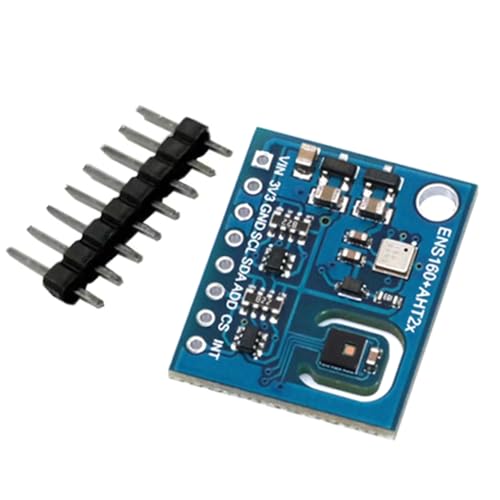
Lobamop ENS160+AHT21 Carbon Dioxide CO2 ECO2 TVOC Air
Why We Love It

Aranet4 Home: Wireless Indoor Air Quality Monitor for Home
Why We Love It

Lobamop SCD30 Air Quality Sensors for CO2 and T Measurements
Why We Love It

MQ-135 Air Quality Sensor Detection Module
Why We Love It

B-Qtech 5 in 1 Air Quality Monitor
Why We Love It
Quick Pick
10 Best Co2 Air Quality Sensors Of 2026
Quick Pick
SONOFF AirGuard CO2 Smart Indoor Air Quality Monitor, Matter Compatible, WiFi 2.4GHz, Carbon Dioxide Detector for CO2/Temperature/Humidity, Sound Alarm and Light
SwitchBot Air Quality Monitor Indoor Meter Pro CO2 Detector, CO2 Monitor, Temperature Humidity Monitor with APP, Bluetooth Air Quality Tester for Car/Home/Office (Meter Pro CO2)
9 in 1 Air Quality Monitor, Formaldehyde Detector Indoor, Temperature & Humidity Meter, Pollution Tester, Sensor, Detect PM2.5/PM10 Monitor, Test Indoor HCHO TVOC Volatile Organic Compound Gas
Qingping Air Monitor Lite, Apple HomeKit Compatible Wi-Fi Air Quality Sensor Detects CO2, PM2.5, PM10, Temperature and Humidity
5-in-1 Air Quality Monitor, CO2 HCHO TVOC PM2.5 PM10
Lobamop ENS160+AHT21 Carbon Dioxide CO2 ECO2 TVOC Air Quality Temperature Humidity Sensor Replace CCS811
Aranet4 Home: Wireless Indoor Air Quality Monitor for Home, Office or School [CO2, Temperature, Humidity and More] Portable, Battery Powered, E-Ink Screen, App for Configuration & Data History
Lobamop SCD30 Air Quality Sensors for CO2 and T Measurements Modbus PWM
MQ-135 Air Quality Sensor Detection Module
B-Qtech 5 in 1 Air Quality Monitor, Indoor Air Quality Tester CO2/Humidity/HCHO/TVCC/Temperature Tester, Air Pollution Monitor for Home, Rooms, Grow Tents, Offices, Cars, Hospitals
Buying Guide: Co2 Air Quality Sensors
📋 Table of Contents
1What CO2 measurement range should I look for in an air quality sensor?
Look for sensors that measure CO2 levels between 0–2000 ppm for indoor use, as this range covers typical office and home environments. Higher ranges may be useful for industrial or ventilation system monitoring, but most residential models cap at 1000–2000 ppm for accuracy and cost efficiency.
2How accurate should a CO2 sensor be for home or office use?
For general use, a sensor with ±50 ppm accuracy is sufficient, though higher-end models offer ±10–20 ppm for more precise monitoring. Accuracy matters most in environments where ventilation is critical, like classrooms or offices with many occupants.
3What’s the difference between NDIR and electrochemical CO2 sensors?
NDIR (non-dispersive infrared) sensors are more accurate and durable for long-term use, making them ideal for indoor air quality monitoring. Electrochemical sensors are cheaper but degrade faster and are better suited for short-term or outdoor applications with lower accuracy requirements.
4How often should a CO2 sensor recalibrate, and why does it matter?
Most CO2 sensors require recalibration every 6–12 months to maintain accuracy, as sensor drift can occur over time. Regular calibration ensures reliable readings, especially in environments where air quality directly impacts health or productivity.
5Are wireless or smart CO2 sensors worth the extra cost?
Wireless or smart sensors with Wi-Fi or Bluetooth connectivity are worth considering if you need real-time data on a phone app or integration with smart home systems. They offer convenience and remote monitoring, though wired models are often more reliable and cost-effective for basic use.
How we choose
Our editors are people who genuinely love testing and writing about products. We compare each product's real-world usability and strengths, then distill what matters most into our own "Why We Love It" points — so you get an honest, at-a-glance sense of what counts before you buy.