10 Best Climbing Helmets Of 2026
Climbing Helmets — Reviews, Recommendations & Updated Buying Guide November 2026


KASK, Superplasma PL EN 12492 Fall Protection Helmet
Why We Love It

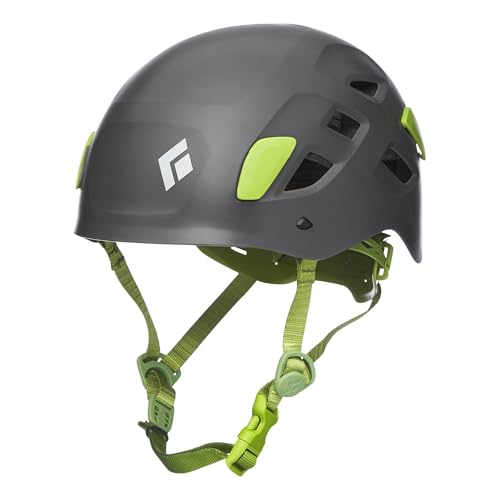
Black Diamond Men's Helmet
Why We Love It

Mammut Skywalker 3.0 Climbing Helmet
Why We Love It

Black Diamond Half dome helmet
Why We Love It

Petzl Vertex Vent Ventilated Safety Helmet (ANSI Z89.1 Type
Why We Love It

Mammut Skywalker 3.0 Climbing Helmet
Why We Love It

Black Diamond Half dome helmet
Why We Love It

Kask Safety Helmet Superplasma PL - Climbing Helmet
Why We Love It

Black Diamond Women's Half Dome Helmet S/M Alloy
Why We Love It

Climbing Technology Galaxy Helmet
Why We Love It
Quick Pick
10 Best Climbing Helmets Of 2026
Quick Pick
KASK, Superplasma PL EN 12492 Fall Protection Helmet, NEW 2023
Black Diamond Men's Helmet, Slate, S/M
Mammut Skywalker 3.0 Climbing Helmet
Black Diamond Half dome helmet
Petzl Vertex Vent Ventilated Safety Helmet (ANSI Z89.1 Type I Class C)
Mammut Skywalker 3.0 Climbing Helmet
Black Diamond Half dome helmet
Kask Safety Helmet Superplasma PL - Climbing Helmet, Mountaineering Helmet according to EN 12492 - Size: 51-62 cm universally adjustable, Color: White
Black Diamond Women's Half Dome Helmet S/M Alloy
Climbing Technology Galaxy Helmet, Verde/Azzurro, Regolabile da 50-61 cm
Buying Guide: Climbing Helmets
📋 Table of Contents
1What's the difference between climbing helmets and regular sports helmets?
Climbing helmets are designed to protect against impacts from falling objects and rock strikes from above, so they have reinforced shells and often cover more of the head. Regular sports helmets focus on frontal impact protection, making them unsuitable for climbing where hazards come from multiple angles.
2Should I choose a full-face or half-shell climbing helmet?
Half-shell helmets are lighter and more comfortable for all-day climbing, but full-face helmets offer better protection for aggressive terrain and multipitch routes where rockfall risk is higher. Choose half-shell for sport climbing and full-face for trad climbing or alpine routes.
3How do I know if a climbing helmet fits properly?
The helmet should sit level on your head with the front brim just above your eyebrows, and you shouldn't be able to shift it side to side or front to back when fastened. The chin strap should be snug enough that you can fit only one finger between it and your chin.
4What specs should I prioritize when comparing climbing helmets?
Weight matters most for all-day comfort—look for helmets under 250g for half-shells—followed by ventilation if you climb in hot climates and impact certification standards like CE EN 12492. Also check the field of vision since some helmets limit peripheral sight more than others.
5Is it worth buying an expensive climbing helmet, or are budget options good enough?
Budget helmets meet the same safety certifications as premium ones, but mid-range to premium helmets often offer better ventilation, comfort padding, and durability that justify the extra cost for frequent climbers. If you climb occasionally, a solid entry-level option works fine.
How we choose
Our editors are people who genuinely love testing and writing about products. We compare each product's real-world usability and strengths, then distill what matters most into our own "Why We Love It" points — so you get an honest, at-a-glance sense of what counts before you buy.