10 Best Classical Guitar Of 2026
Classical Guitar — Reviews, Recommendations & Updated Buying Guide November 2026


Yamaha Classical Guitar, Brown
Why We Love It


Yamaha C40II Classical Guitar
Why We Love It

Fender FA-25N Classical Acoustic Guitar
Why We Love It

Yamaha CX40 Classical Electro Acoustic Guitar
Why We Love It
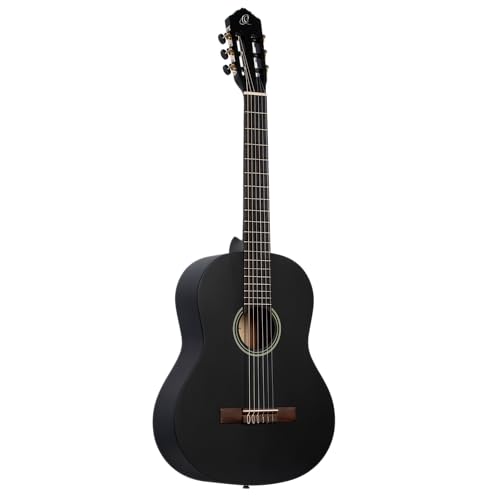
Ortega Guitars Student Series 6 String Classical Guitar
Why We Love It

Gewa classical guitar Student Cedar 4/4 natur
Why We Love It

Yamaha CGS104AII full size Classical Guitar
Why We Love It

MegArya 38” Classical Guitar with Nylon Strings Acoustic
Why We Love It
Quick Pick
10 Best Classical Guitar Of 2026
Quick Pick
Yamaha Classical Guitar, Brown - C40
Yamaha C40II Classical Guitar, Full Size With Rosewood Fingerboard and Bridge, Natural
Fender FA-25N Classical Acoustic Guitar, Walnut Fretboard, Natural
Yamaha CX40 Classical Electro Acoustic Guitar
Ortega Guitars Student Series 6 String Classical Guitar, Right (RST5MBK)
Gewa classical guitar Student Cedar 4/4 natur
Yamaha CGS104AII full size Classical Guitar
MegArya 38” Classical Guitar with Nylon Strings Acoustic Guitar with Truss Rod for Beginner Professional with Bag(Natural)
Buying Guide: Classical Guitar
📋 Table of Contents
1What size classical guitar should I buy?
Most adults use full-size (4/4) guitars, but if you have smaller hands or are shopping for a child, 3/4 or 1/2 size models are easier to play. Measure your arm span or try one in person—comfort matters more than following a size chart.
2What's the difference between solid wood and laminated tops?
Solid wood tops produce richer, warmer tone and improve over time, while laminated tops are more durable and moisture-resistant, making them better for humid climates like the UAE. Solid wood is generally preferred by serious players, but laminated guitars are fine for beginners.
3How can I tell if a classical guitar is well-made?
Check that the neck is straight, frets are level without buzzing, and the action (string height) is comfortable—roughly 2-3mm at the 12th fret. Play a few chords to listen for even tone across all strings, and inspect the joints and finish for cracks or rough edges.
4When should I spend more on a classical guitar?
Upgrade when you're practicing regularly and can hear the difference in tone quality—usually after 6-12 months of playing. Better guitars make learning easier because they respond better to proper technique and motivate you to keep improving.
5What's the difference between nylon strings and steel strings on classical guitars?
Classical guitars use nylon strings that are gentler on your fingers and produce a warm, mellow tone, while steel strings are sharper and brighter but harder on beginners' fingertips. Stick with nylon for a classical guitar—it's what they're designed for.
How we choose
Our editors are people who genuinely love testing and writing about products. We compare each product's real-world usability and strengths, then distill what matters most into our own "Why We Love It" points — so you get an honest, at-a-glance sense of what counts before you buy.