10 Best Chromatic Guitar Tuner Pedals Of 2026
Chromatic Guitar Tuner Pedals — Reviews, Recommendations & Updated Buying Guide November 2026


Donner Tuner Pedal
Why We Love It

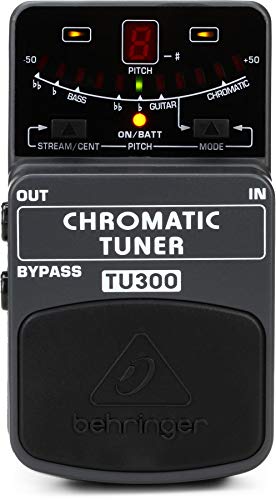
Behringer TU300 Chromatic Tuner Pedal for Guitar and Bass
Why We Love It

BOSS TU-3 Chromatic Tuner Pedal
Why We Love It

Sofadio Tuner Pedal
Why We Love It
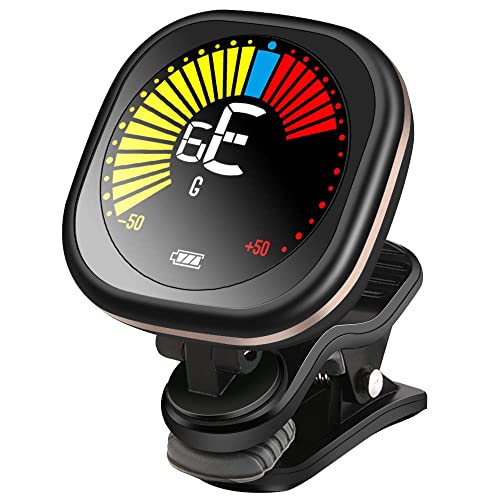
KASTWAVE Clip-on Guitar Tuner
Why We Love It
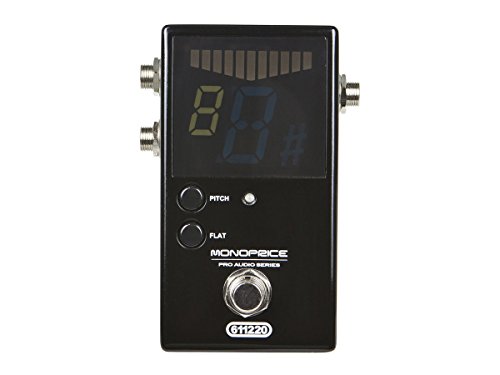
Monoprice 611220 Chromatic Pedal Tuner
Why We Love It

Flanger LCD Display
Why We Love It

NUX NTU-3 Pedal Tuner Flow Tune for Chromatic
Why We Love It

Ibanez BigMini Tuner Pedal
Why We Love It

KASTWAVE Guitar Tuner Rechargeable
Why We Love It
Quick Pick
10 Best Chromatic Guitar Tuner Pedals Of 2026
Quick Pick
Donner Tuner Pedal, Dt-1 Chromatic Guitar Tuner Pedal with Pitch Indicator for Electric Guitar and Bass True Bypass
Behringer TU300 Chromatic Tuner Pedal for Guitar and Bass with Bright LED Display and Accurate Tuning
BOSS TU-3 Chromatic Tuner Pedal
Sofadio Tuner Pedal, Chromatic Guitar Tuner Pedal with Pitch Indicator for Electric Guitar and Bass True Bypass (Power supply not included)
KASTWAVE Clip-on Guitar Tuner, Rechargeable Tuner Digital Guitar Tuner Ukulele Tuner Electric and Acoustic Guitar Tuner for Guitars, Violin, Ukulele Chromatic Tuning Mode Color Screen Display
Monoprice 611220 Chromatic Pedal Tuner
Flanger LCD Display, Portable Clip-On Chromatic Digital Guitar Tuner (Black)
NUX NTU-3 Pedal Tuner Flow Tune for Chromatic, Guitar, Bass
Ibanez BigMini Tuner Pedal
KASTWAVE Guitar Tuner Rechargeable, Tuner Clip On for Guitar, Bass, Ukulele,Violin & Chromatic Tuning Modes, Fast Accuratie Tuning, Super Bright Display to Read, for Professional/Beginners
Buying Guide: Chromatic Guitar Tuner Pedals
📋 Table of Contents
1What tuning range should I look for in a chromatic tuner pedal?
A full chromatic tuner pedal should cover at least 4 octaves, typically from C2 (65.41 Hz) to C6 (1046.50 Hz), to handle standard tuning, drop tunings, and extended-range guitars. Some models extend beyond this for experimental or non-standard instruments.
2Does display type matter for tuning accuracy?
Yes — LED or LCD displays with a clear needle or bar graph help you see tuning in low light, while backlit screens improve visibility on stage. A large, easy-to-read display is especially useful for fast tuning between songs or in dim environments.
3What input options are essential for a chromatic tuner pedal?
A 1/4-inch input jack is standard, but look for a pedal that also supports 1/8-inch (3.5mm) inputs if you use digital instruments or want to tune via a phone or tablet. Some models also offer a built-in microphone for tuning without plugging in, though this is less accurate for loud environments.
4How important is battery life or power options?
Battery life is crucial for gigging musicians — aim for at least 10-15 hours on a single set of 9V batteries. A pedal with a DC power jack allows for consistent performance and avoids mid-show power failures, especially during long sessions or frequent use.
5Are calibration features worth considering?
Yes — a pedal with a calibration function (usually adjustable from 430Hz to 445Hz) lets you match your tuning to different venues or instruments. This is especially useful when playing with ensembles or in spaces with non-standard tuning references.
How we choose
Our editors are people who genuinely love testing and writing about products. We compare each product's real-world usability and strengths, then distill what matters most into our own "Why We Love It" points — so you get an honest, at-a-glance sense of what counts before you buy.