10 Best Cereal Of 2026
Cereal — Reviews, Recommendations & Updated Buying Guide November 2026


Nestlé Honey Cheerios Breakfast Cereal Pack
Why We Love It


Nestle KitKat Chocolate and Wafer Breakfast Cereal
Why We Love It

Nestlé Lion Caramel Chocolate Breakfast Cereal Pack 400g
Why We Love It

Nestle Chocapic Cereals, 645g
Why We Love It

Kellogg's Coco Pops, 480g
Why We Love It

Kellogg's Coco Pops Chocos 20% Less Sugar 480 g
Why We Love It

Nestle Chocapic Chocolate Breakfast Cereal 375.0 grams
Why We Love It

Weetabix Cereal 430 Grams
Why We Love It

Kellogg's Unicorn Froot Loops
Why We Love It
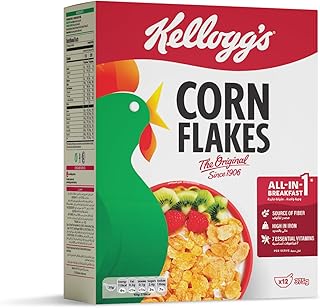
Kellogg's Corn Flakes Original | 375g
Why We Love It
Quick Pick
10 Best Cereal Of 2026
Quick Pick
Nestlé Honey Cheerios Breakfast Cereal Pack, 375g
Nestle KitKat Chocolate and Wafer Breakfast Cereal, Pack, 330g
Nestlé Lion Caramel Chocolate Breakfast Cereal Pack 400g
Nestle Chocapic Cereals, 645g
Kellogg's Coco Pops, 480g, Tasty & Nourishing Breakfast, 7 Vitamins & Iron, Source of Fibre, High in Vitamin D & Calcium, Ideal For Breakfast & Snacks
Kellogg's Coco Pops Chocos 20% Less Sugar 480 g
Nestle Chocapic Chocolate Breakfast Cereal 375.0 grams
Weetabix Cereal 430 Grams
Kellogg's Unicorn Froot Loops, 375 g
Kellogg's Corn Flakes Original | 375g | Tasty & Nourishing Breakfast | Cholesterol Free | High in Vitamins B1, B2, B3, D & Iron | Quick & Easy Breakfast
Buying Guide: Cereal
📋 Table of Contents
1How much sugar should I look for in a cereal?
Check the nutrition label for added sugar — most health experts recommend cereals with less than 6g per serving. Cereals marketed as wholesome often contain hidden sugars, so comparing labels is more reliable than trusting the packaging claims.
2What's the difference between whole grain and regular cereals?
Whole grain cereals retain all parts of the grain and offer more fiber and nutrients, while regular cereals are processed and refined, losing much of their nutritional value. Whole grain options keep you fuller longer and support better digestion, making them worth choosing if you eat cereal daily.
3Should I buy family-size boxes or individual portions?
Family boxes are more economical and better for households with multiple people, but they take up fridge space and can go stale quickly once opened. Individual portions cost more per serving but offer convenience and freshness if you live alone or eat cereal infrequently.
4What should I check on the ingredients list?
Look for artificial colors, flavors, and preservatives like BHT or BHA, which are unnecessary in cereal and best avoided. Also scan for hydrogenated oils and high sodium content, especially if you're watching your salt intake.
5Do organic and non-GMO cereals make a real difference?
Organic cereals are grown without synthetic pesticides, which matters if you're concerned about residue exposure, but nutritionally they're similar to non-organic options. Non-GMO labels are mostly marketing — they don't guarantee better nutrition, so prioritize fiber and sugar content over these certifications.
How we choose
Our editors are people who genuinely love testing and writing about products. We compare each product's real-world usability and strengths, then distill what matters most into our own "Why We Love It" points — so you get an honest, at-a-glance sense of what counts before you buy.