10 Best Celestron Telescopes – Black Friday Deals 2026
Celestron Telescopes — Our Ranked Picks & Buying Guide for Black Friday 2026

🛍️ Black Friday & Cyber Monday 2026
Deals change fast during Black Friday week — check the current price of each pick at the store before you buy.
Shopping for Celestron Telescopes this Black Friday? We compared the most popular options and ranked our top 10, so you can shop the season with confidence.

Celestron 22452 StarSense Explore LT114AZ Newtonian
Why We Love It


Celestron 31045 AstroMaster 130EQ Newtonian Reflector
Why We Love It
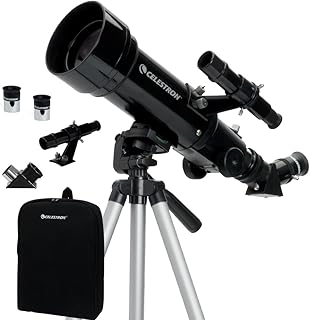
Celestron Travel Scope 70 Portable Refractor Telescope
Why We Love It

Celestron 22030 Travel Scope Portable Refractor Telescope
Why We Love It

Celestron 21039 PowerSeeker 50AZ Refractor Telescope
Why We Love It

Celestron 22035 Travel Scope DX 70mm Portable Refractor
Why We Love It

Celestron 21035-ADS Travel Scope 70 Refractor Telescope Kit
Why We Love It

Celestron 22451 StarSense Explorer LT 80AZ Smartphone
Why We Love It

Celestron 11069 NexStar 8SE Computerised Schmidt-Cassegrain
Why We Love It

Celestron 31051 AstroMaster 130EQ Motor Drive Newtonian
Why We Love It
Quick Pick
10 Best Celestron Telescopes – Black Friday Deals 2026
Quick Pick
Celestron 22452 StarSense Explore LT114AZ Newtonian Reflector Telescope, Smartphone App-enabled, includes Two Eyepieces, 2xBarlow lens, Phone Dock/Height-adjustable Tripod, iOS/Android Compatible
Celestron 31045 AstroMaster 130EQ Newtonian Reflector Telescope, Dark Blue
Celestron Travel Scope 70 Portable Refractor Telescope – 70mm Aperture, Fully-Coated Glass Optics – Includes Tripod, Backpack & Software – Ideal for Beginners & Travel
Celestron 22030 Travel Scope Portable Refractor Telescope with 80mm lens, Fully-Coated Glass Optics, Bonus Astronomy Software Package and Digiscoping Smartphone Adapter
Celestron 21039 PowerSeeker 50AZ Refractor Telescope,50 mm Aperture, Black
Celestron 22035 Travel Scope DX 70mm Portable Refractor Telescope with Fully-Coated Glass Optics, Backpack, Astronomy Software Package, and Digiscoping Smartphone Adapter | Ideal Telescope Kit for Beginners & Travel, Day-to-Night Use, Quick Setup, Fully-Coated Glass Optics, Backpack Included
Celestron 21035-ADS Travel Scope 70 Refractor Telescope Kit with Backpack, Black (Amazon Exclusive Including Additional 4mm Eyepiece and 3x Barlow Lens)
Celestron 22451 StarSense Explorer LT 80AZ Smartphone App-Enabled Telescope – Works with StarSense App to Help You Find Stars, Planets & More – iOS/Android Compatible
Celestron 11069 NexStar 8SE Computerised Schmidt-Cassegrain Telescope with Fully Automated Mount, SkyAlign Technology and XLT Coating, Black/ Orange
Celestron 31051 AstroMaster 130EQ Motor Drive Newtonian Reflector Telescope, Dark Blue
Buying Guide: Celestron Telescopes
📋 Table of Contents
1What aperture size should I choose for a Celestron telescope?
Larger aperture (the main lens or mirror diameter) lets in more light and shows fainter objects and finer detail, but bigger telescopes are heavier and more expensive. Start with 70-90mm if you're a beginner and want something portable, or go for 150mm+ if you have a stable location and want serious deep-sky viewing.
2What's the difference between Celestron's refractor, reflector, and compound telescopes?
Refractors use lenses (lightweight, low maintenance), reflectors use mirrors (larger aperture for the price), and compounds like the NexStar use both (compact but expensive). Choose based on what you'll observe most—planets favor refractors, deep-sky objects favor reflectors, and if you want flexibility with good portability, compounds are worth considering.
3Do I need a motorized mount or GoTo system on a Celestron telescope?
Manual mounts are cheaper and teach you the sky, but GoTo systems save time tracking objects and are much easier for beginners in light-polluted areas. If you plan to observe frequently or use the telescope for astrophotography, the motorized GoTo is worth the extra cost.
4What eyepiece magnification should I look for in a Celestron telescope?
Don't chase high magnification—aim for eyepieces that give you 50x magnification per inch of aperture as a practical upper limit (so a 4-inch scope maxes out around 200x). A good rule is to start with a low-power, wide-field eyepiece for finding and tracking, then switch to higher magnification for detail on planets.
5Is it worth buying a Celestron telescope if I have light pollution in my area?
Yes, but choose carefully—from light-polluted areas, reflectors and compound scopes see more because of their larger aperture, while refractors struggle with contrast. Adding a light-pollution filter helps, but expect to see fewer faint nebulae and galaxies than from darker skies.
How we choose
Our editors are people who genuinely love testing and writing about products. We compare each product's real-world usability and strengths, then distill what matters most into our own "Why We Love It" points — so you get an honest, at-a-glance sense of what counts before you buy.